BMW i7 Facelift vs Mercedes-Benz EQS: Price, Range, Features & Differences
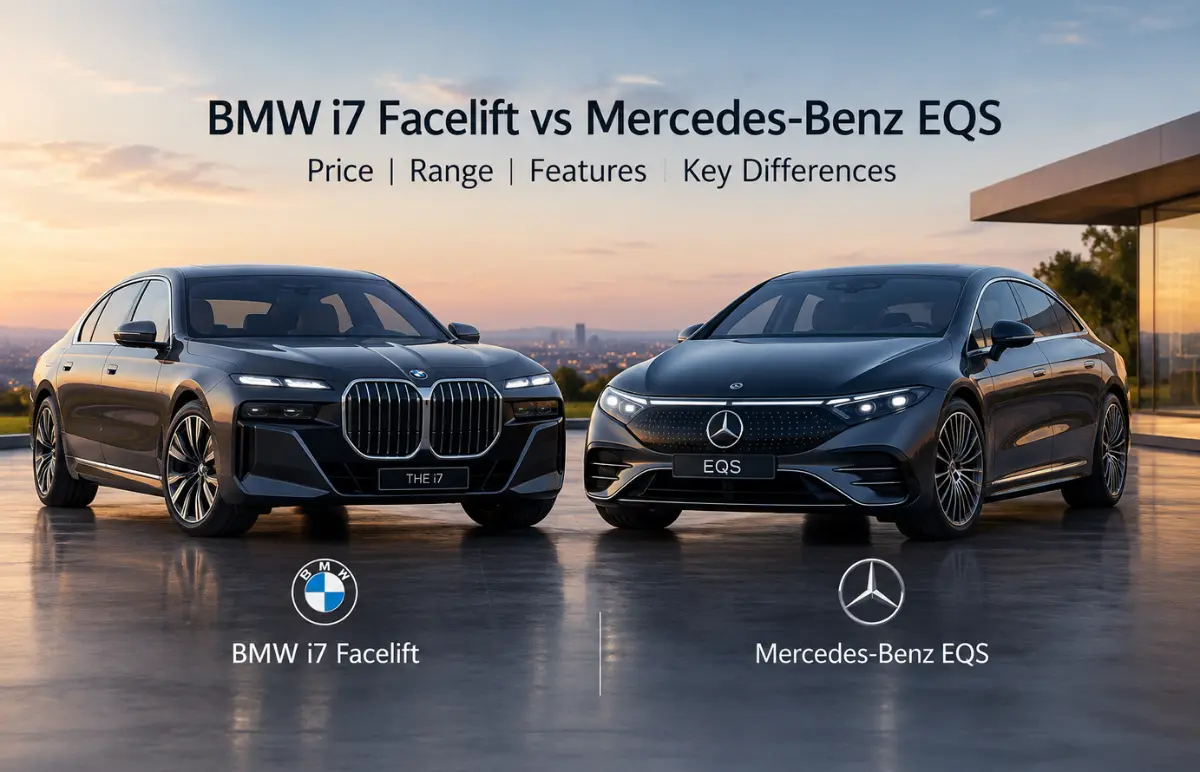
The BMW i7 facelift has arrived in India as a significant update to BMW's flagship electric sedan. The new i7 gets a larger battery, more powerful M70 version, faster charging, revised styling and a significantly updated cabin. Prices start at ₹1.95 crore (ex-showroom) for the i7 50 xDrive M Sport and the range-topping i7 M70 xDrive costs ₹2.65 crore. Its closest luxury-electric sedan rival in India is the Mercedes-Benz EQS 580 4MATIC. Mercedes' flagship electric saloon continues its focus on long-range range, spacious cabin, the MBUX Hyperscreen and rear-seat luxury.
The Mercedes-Benz India website lists the EQS from around ₹1.335 crore, although the exact price can vary with variant and equipment. That makes the BMW i7 facelift vs Mercedes-Benz EQS comparison particularly interesting in 2026. The two are large, premium electric sedans, but they approach luxury, technology, performance and range in different ways. Considering this we have discussed everything about BMW i7 Facelift vs Mercedes-Benz EQS including, its price, features, differences, and more.
BMW i7 Facelift vs Mercedes-Benz EQS: Key Differences
Here are the biggest differences at a glance:
| Basis of distinction | BMW i7 Facelift | Mercedes-Benz EQS |
| India starting price | ₹1.95 crore | From about ₹1.335 crore |
| Battery | 112.5kWh | 118kWh usable* |
| Claimed range | Up to 728km WLTP | Up to 872km ARAI/MIDC* |
| Base comparable power | 455hp | 544hp |
| Performance version | i7 M70, 680hp | EQS 580, 544hp |
| 0-100km/h | 5.5 sec / 3.8 sec M70 | 4.3 sec |
| DC charging | 250kW | 200kW |
| 10-80% DC | ~28 min | ~31 min |
| Length | 5,391mm | 5,216mm |
| Wheelbase | 3,215mm | 3,210mm |
| Rear entertainment | 31.3-inch 8K Theatre Screen | Rear entertainment screens |
| Main cabin technology | Panoramic Vision + BMW OS X | MBUX Hyperscreen |
| Drive | AWD | AWD |
Testing cycles and Mercedes-Benz documentation differ, so these range figures should not be directly treated as an apples-to-apples test result.
BMW i7 Facelift vs Mercedes-Benz EQS: Price Comparison
The first major factor any buyer looks for is the price of the car. The difference in pricing is listed below:
| Model | India price | Powertrain |
| BMW i7 50 xDrive M Sport | ₹1.95 crore | Electric, AWD |
| BMW i7 M70 xDrive | ₹2.65 crore | Electric, AWD |
| Mercedes-Benz EQS 580 4MATIC | From around ₹1.335 crore* | Electric, AWD |
Mercedes-Benz India's website currently shows the EQS starting from ₹1.335 crore; equipment, configuration and applicable pricing can vary. The gap is significant when comparing the standard i7 50 xDrive with the EQS. BMW's new entry point is ₹1.95 crore and the EQS is positioned considerably lower on the current Mercedes-Benz India price listing. However, the price alone does not tell the entire story.
BMW i7 Facelift vs Mercedes-Benz EQS: Battery & Range
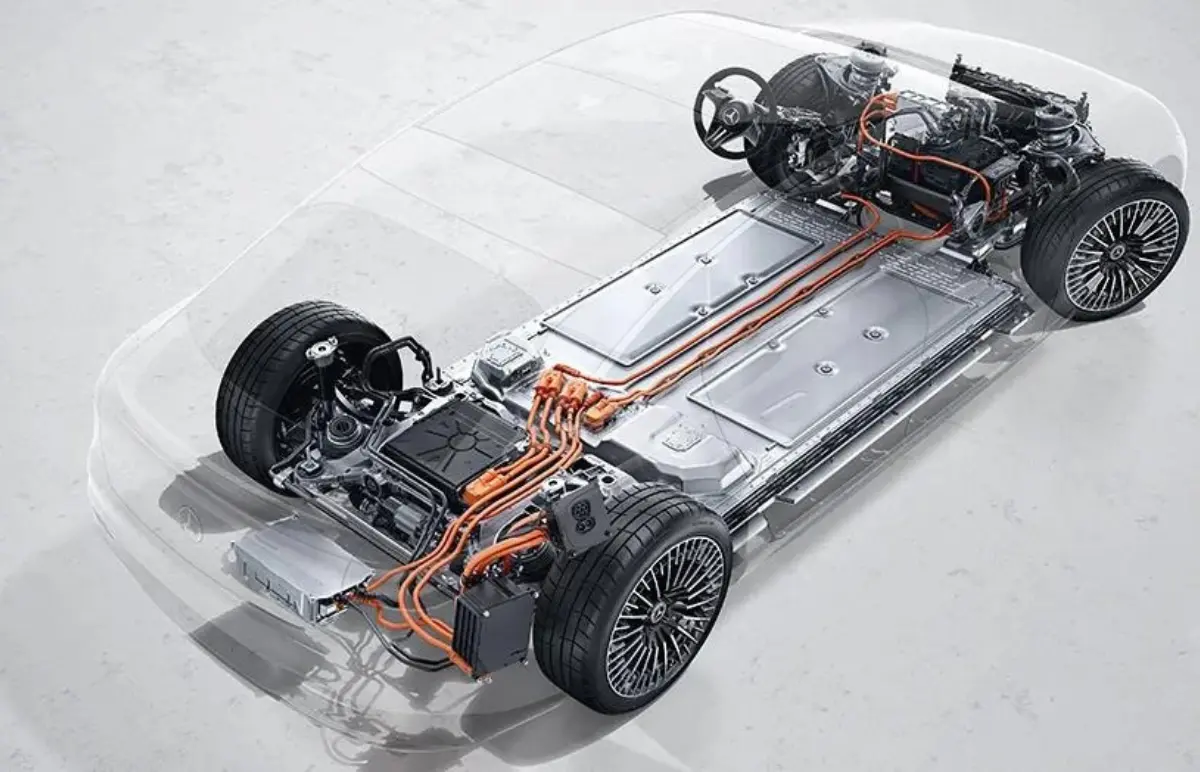
Range is one of the most important factors in a luxury electric sedan because these cars are often long-distance highway vehicles. The new BMW i7 50 xDrive M Sport gets a 112.5kWh battery pack and has a claimed 728km WLTP range. BMW says this represents an increase of 125km compared with the outgoing model.
The performance-oriented i7 M70 xDrive also uses a 112.5kWh battery but its claimed range drops to 686km WLTP because of its substantially higher performance output. The Mercedes-Benz EQS 580 4MATIC uses a large battery too. Mercedes-Benz India's technical information lists 118kWh usable battery capacity with 544hp and 858Nm, while its India technical documentation has quoted an ARAI/MIDC range of up to 872km.
Range comparison
| Specification | BMW i7 50 xDrive | Mercedes-Benz EQS 580 4MATIC |
| Battery | 112.5kWh | 118kWh usable* |
| Claimed range | 728km WLTP | Up to 872km ARAI/MIDC* |
| Drive | AWD | AWD |
| Battery chemistry | Lithium-ion | Lithium-ion |
| Primary focus | Range + performance | Long-distance range |
Mercedes-Benz's published figures use different testing/measurement information across its current India documentation, so the BMW's WLTP figure and Mercedes' ARAI/MIDC figure should not be treated as an apples-to-apples test result.
BMW i7 Facelift vs Mercedes-Benz EQS: Performance
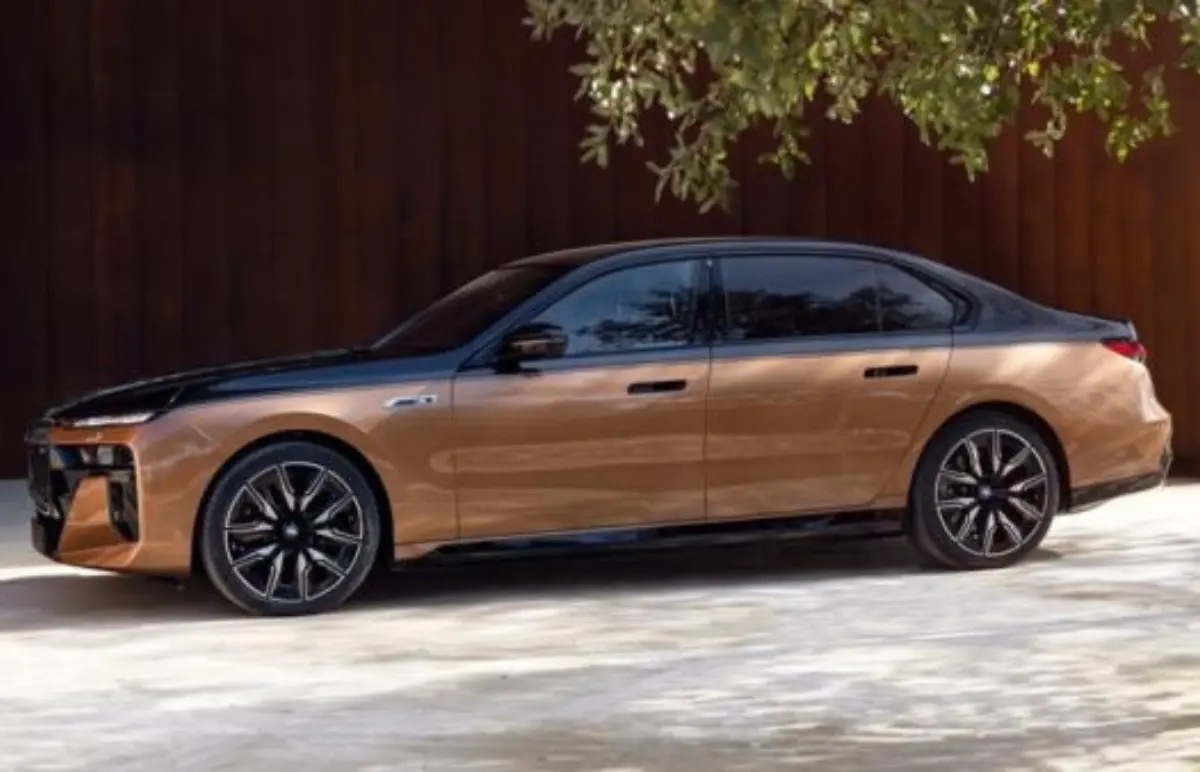
The BMW i7 facelift is available in two very different performance configurations. The i7 50 xDrive M Sport produces 455hp and 600Nm. BMW claims 0-100km/h in 5.5 seconds with a top speed of 210km/h. The i7 M70 xDrive takes performance much further. It produces 680hp, with torque reaching 1,015Nm in Sport mode and up to 1,100Nm with Sport Boost. It can accelerate from 0-100km/h in a claimed 3.8 seconds and has a 250km/h top speed. The EQS 580 4MATIC produces 544hp and 858Nm with a claimed 0-100km/h time of 4.3 seconds and a 210km/h top speed according to Mercedes-Benz India's technical data.
Performance specifications
| Specification | BMW i7 50 xDrive | BMW i7 M70 xDrive | Mercedes EQS 580 |
| Power | 455hp | 680hp | 544hp |
| Torque | 600Nm | Up to 1,100Nm | 858Nm |
| 0-100km/h | 5.5 sec | 3.8 sec | 4.3 sec |
| Top speed | 210km/h | 250km/h | 210km/h |
| Drive | AWD | AWD | AWD |
This shows why the BMW range needs to be considered in two parts. The i7 50 xDrive is closer to the EQS 580 in positioning while the i7 M70 moves into a much more performance-focused category.
Charging: BMW i7 Facelift vs Mercedes-Benz EQS
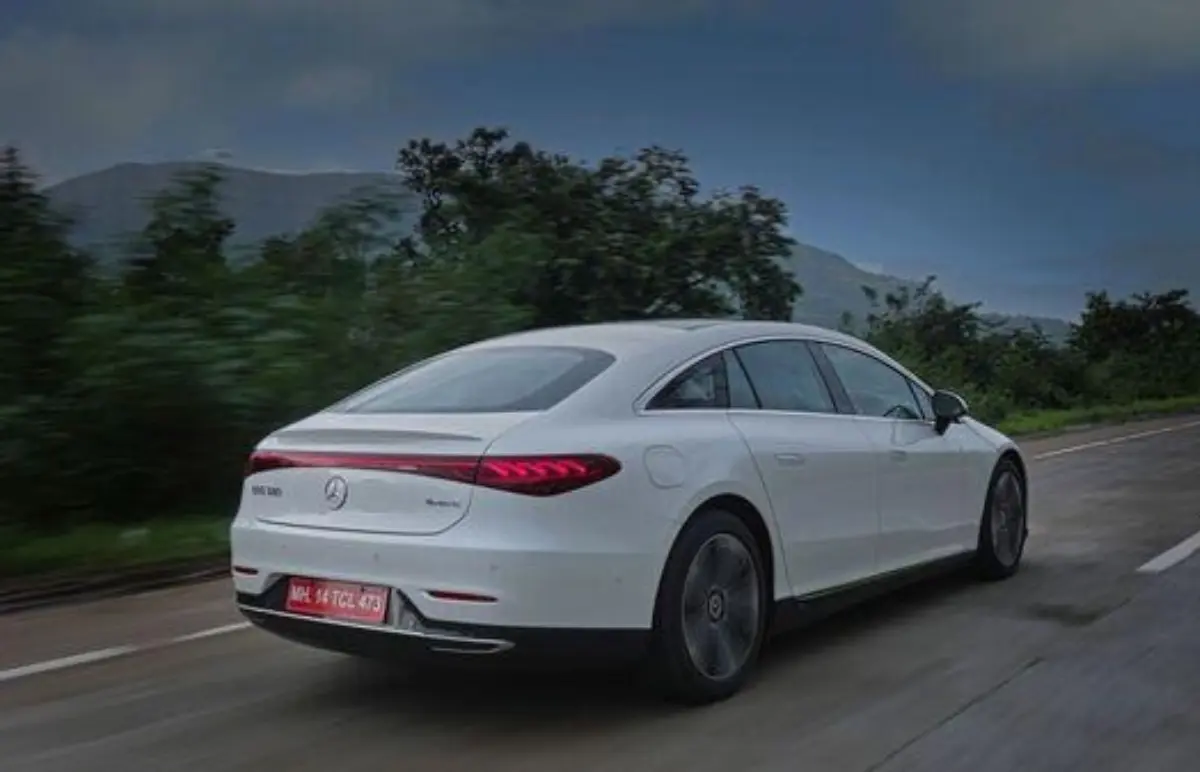
Charging speed is another important difference. The BMW i7 facelift supports up to 250kW DC fast charging. BMW says the battery can be charged from 10 to 80 percent in around 28 minutes using a suitable DC fast charger. A 10-minute charging session can add up to a claimed 235km of range.
The EQS 580 4MATIC's India technical information lists 200kW maximum DC charging and Mercedes-Benz quotes approximately 31 minutes for 10-80 percent charging on its current India technical page, while the real charging time may vary in real time due to various reasons.
Charging comparison
| Charging specification | BMW i7 facelift | Mercedes-Benz EQS 580 |
| Maximum DC charging | 250kW | 200kW |
| 10-80% DC | About 28 minutes | About 31 minutes |
| AC charging | Up to 22kW | Up to 22kW in Mercedes India technical information* |
The BMW therefore has a slightly higher peak DC charging capability and a marginally shorter claimed 10-80 percent charging time. For Indian buyers, however, access to a compatible high-power charger matters just as much as the car's maximum charging capability. On a lower-powered charger, neither car will necessarily reach its headline charging speed.
BMW i7 Facelift vs Mercedes-Benz EQS: Exterior Design
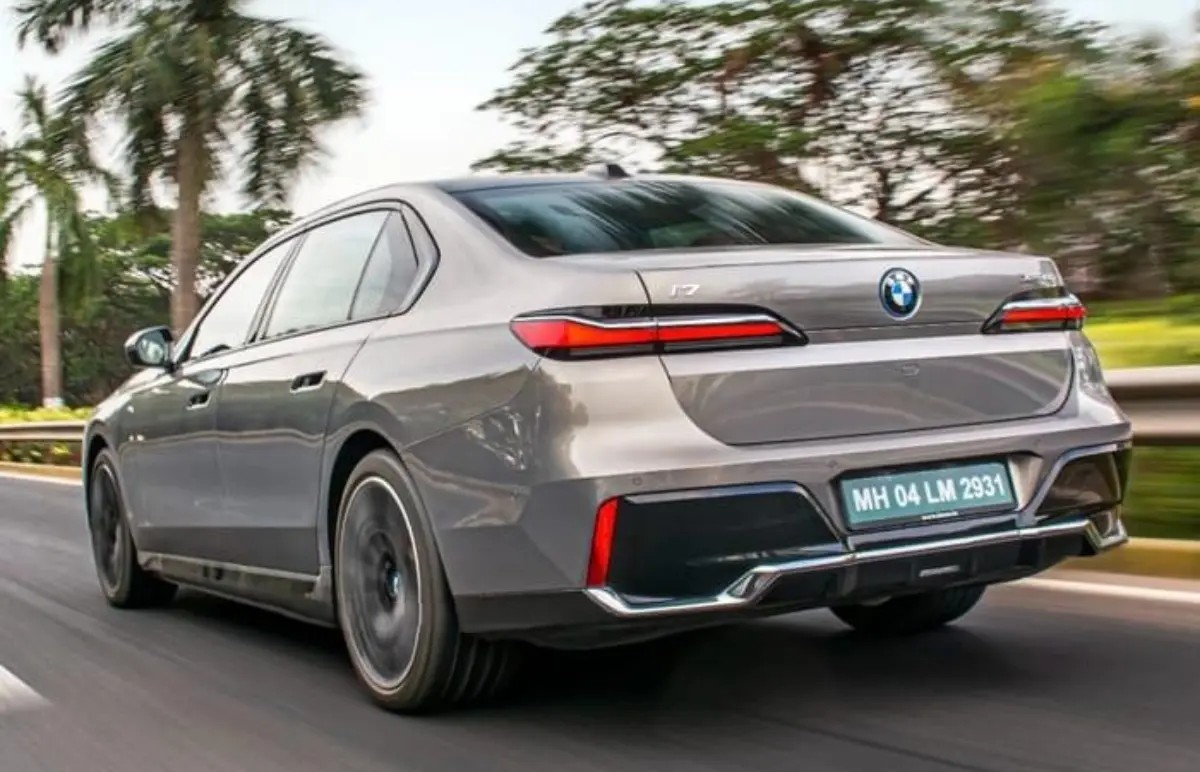
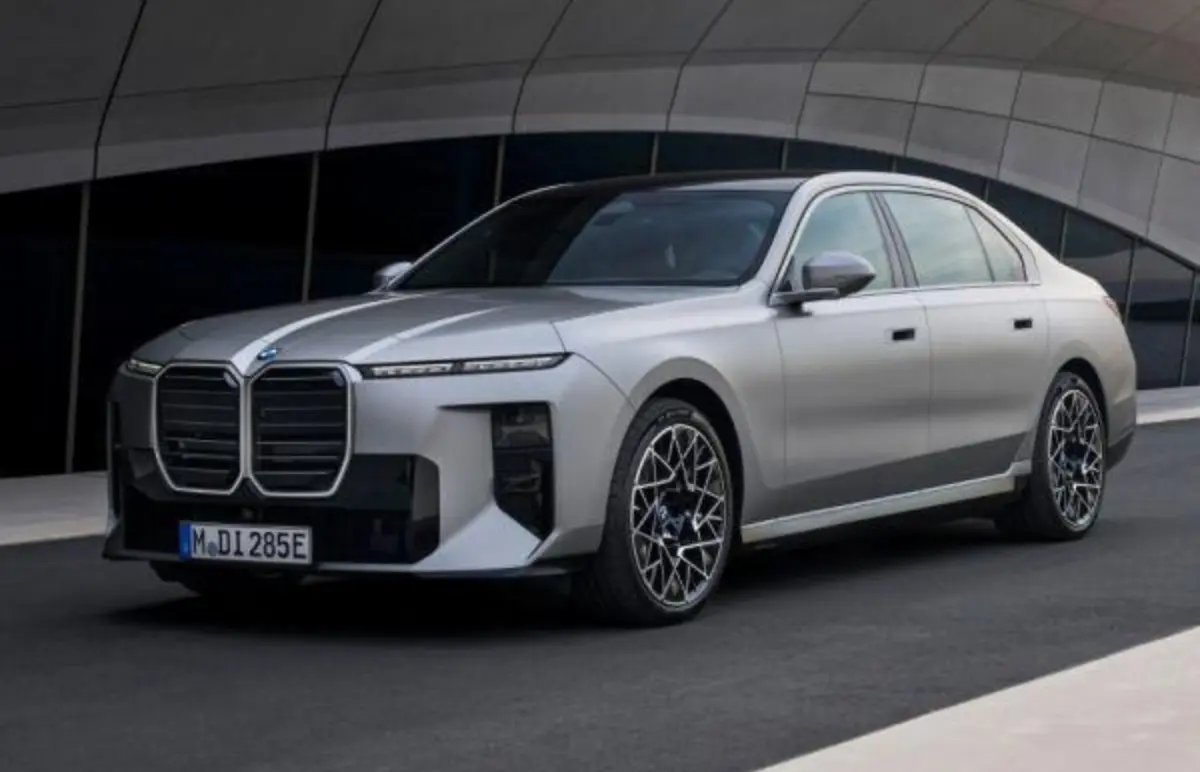
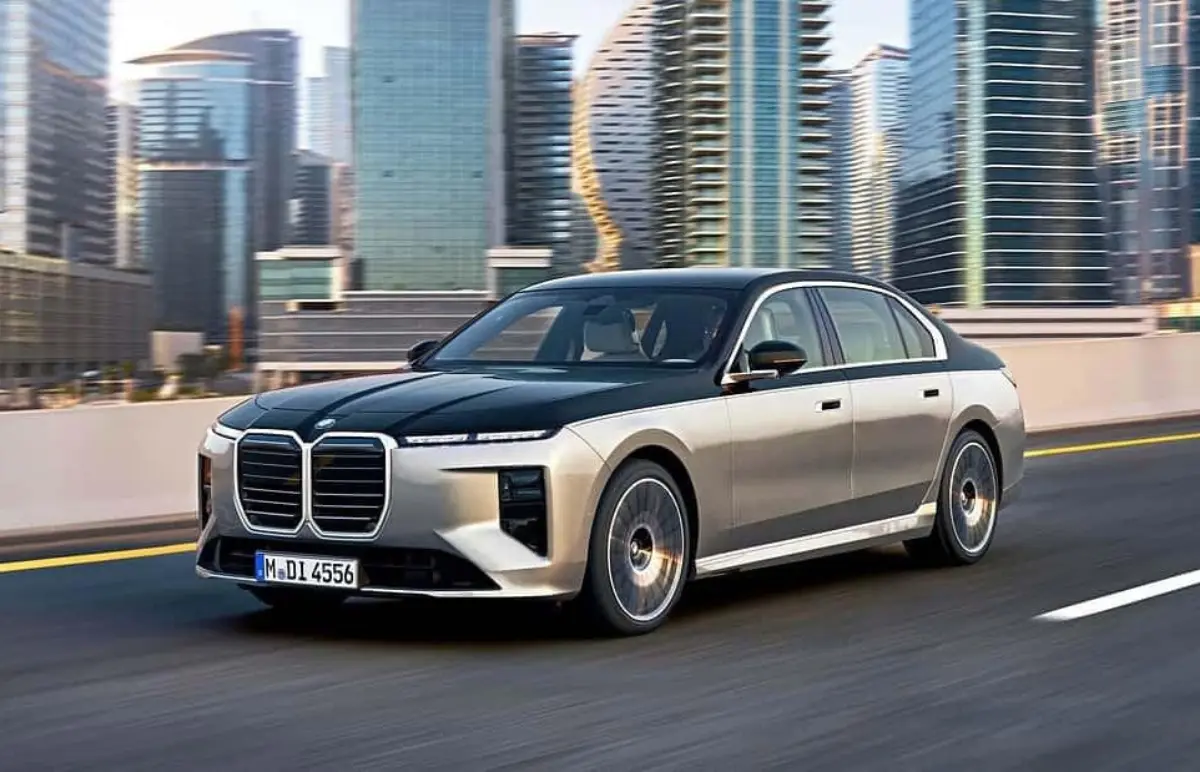
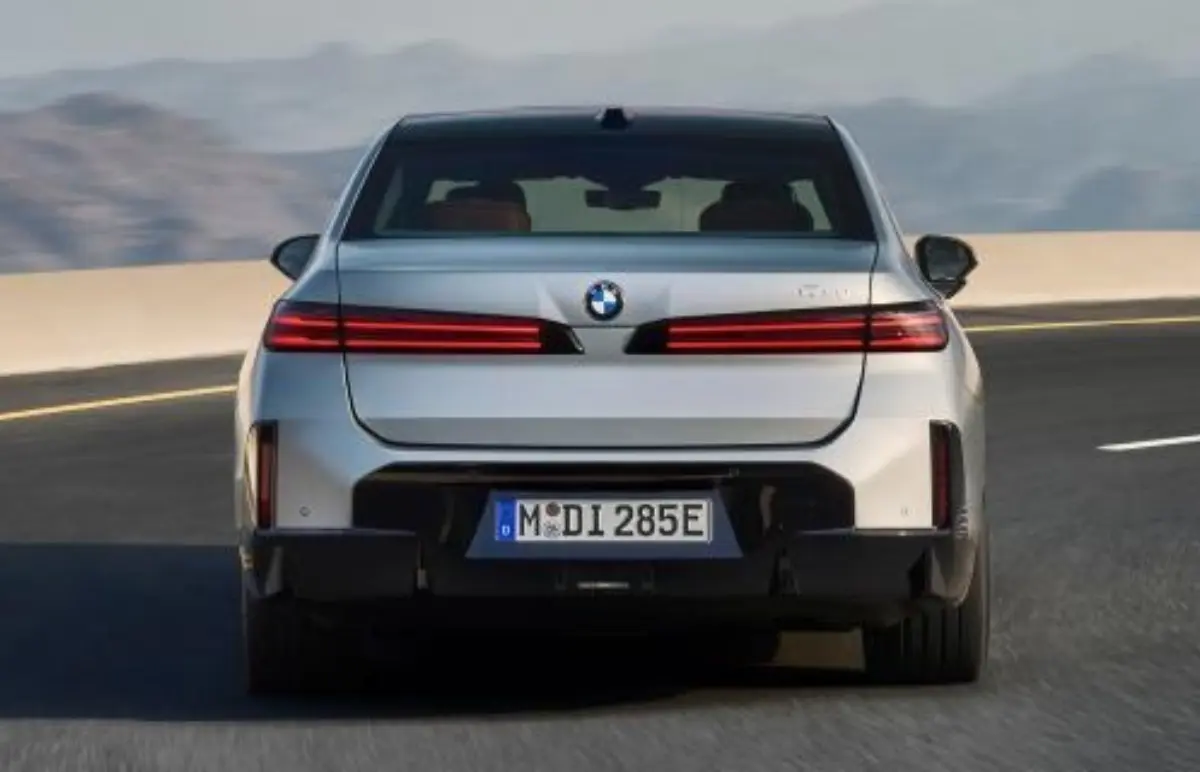
The two cars take very different approaches to luxury-EV design. The BMW i7 retains the long, traditional luxury-sedan proportions of the 7 Series. The facelift brings a revised front end with a more squared-off illuminated kidney grille, redesigned split LED headlights and a redesigned bumper. New alloy-wheel designs and revised rear styling further distinguish the updated model.
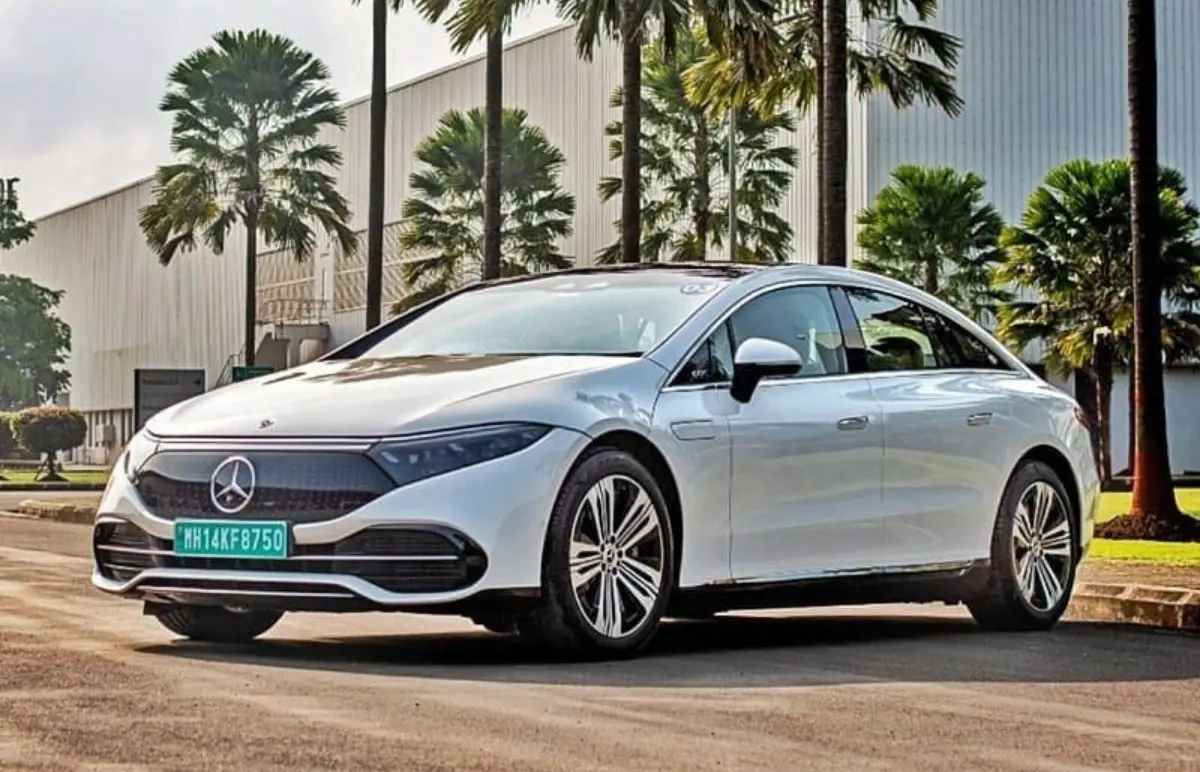
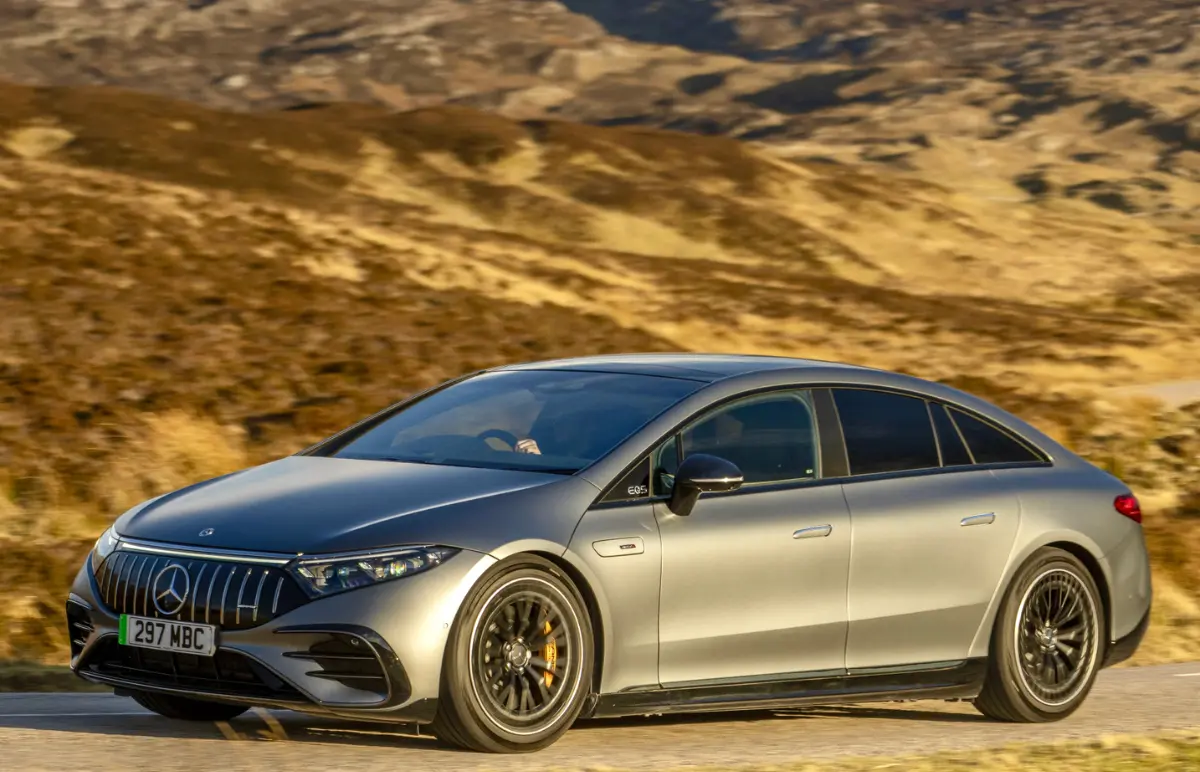
The EQS, meanwhile, uses a more aerodynamic fastback-style silhouette. Its smooth bodywork, enclosed grille treatment and flowing roofline are designed around aerodynamic efficiency. The dimensions also highlight their different designs.
| Dimension | BMW i7 | Mercedes-Benz EQS |
| Length | 5,391mm | 5,216mm |
| Width | 1,950mm | 1,926mm |
| Height | 1,544mm | 1,512mm |
| Wheelbase | 3,215mm | 3,210mm |
The BMW is therefore longer and wider, while both cars have almost identical wheelbases.
Interior & Technology: Which approach is different?
BMW i7 Facelift Interior
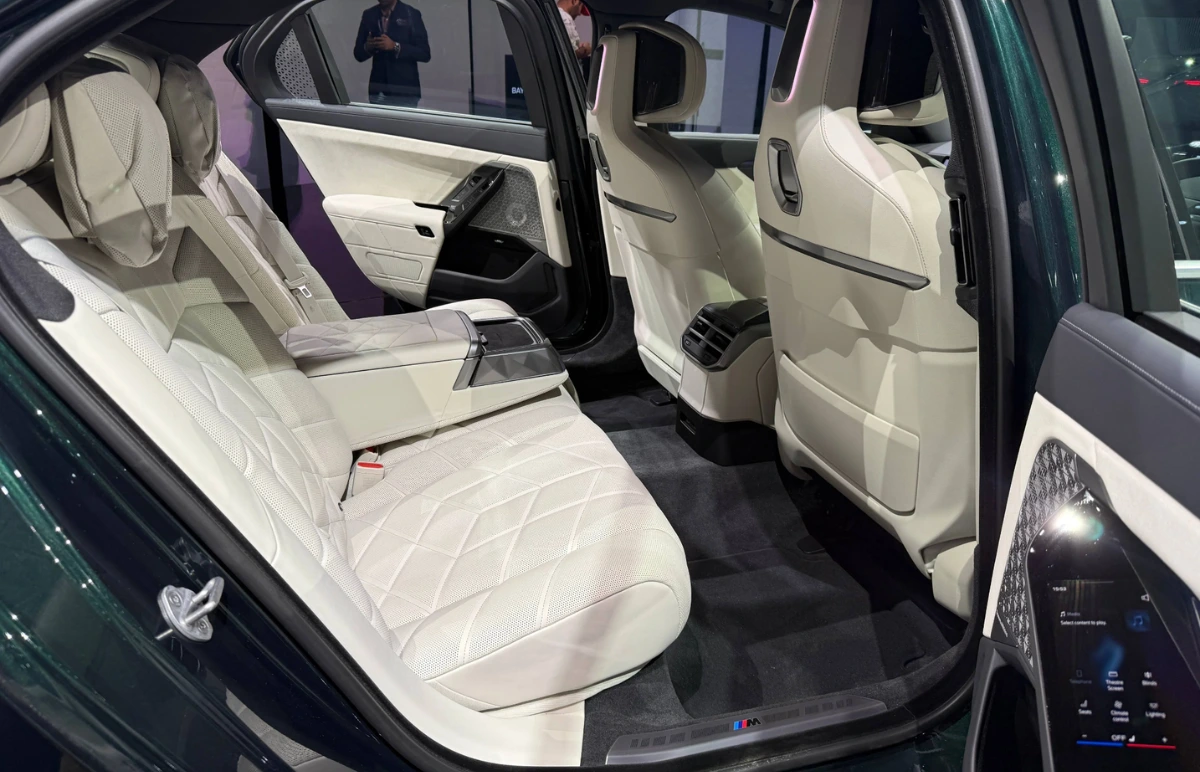
The biggest changes to the new i7 are inside. BMW has introduced its new Panoramic Vision display, which projects information across the lower section of the windscreen. The central touchscreen measures 17.9 inches and a 14.6-inch passenger display is also available as part of the new dashboard layout. The car runs BMW Operating System X. The rear passengers can be equipped with powered, heated, ventilated and massaging seats, powered ottomans and premium audio. BMW offers a Bowers & Wilkins sound system with Dolby Atmos while the panoramic glass roof adds to the lounge-like cabin experience.
Mercedes-Benz EQS Interior
The EQS takes a different approach with the MBUX Hyperscreen. Mercedes-Benz describes the system as three displays integrated under one glass surface. The system includes a large central display and a dedicated passenger screen while the India model also offers rear entertainment features depending on equipment. The EQS also has a heavy focus on rear-seat comfort. Its available equipment includes multicontour rear seats with massage and neck-and-shoulder heating along with premium audio and a panoramic roof.
Interior technology comparison
| Feature | BMW i7 Facelift | Mercedes-Benz EQS |
| Main dashboard display | 17.9-inch | MBUX central display |
| Passenger display | 14.6-inch | 12.3-inch passenger display |
| Rear entertainment | 31.3-inch 8K Theatre Screen | Rear entertainment screens available |
| Voice assistant | BMW connected systems | MBUX |
| Premium audio | Bowers & Wilkins | Burmester |
| Rear massage | Available | Available |
| Panoramic roof | Available | Available |
| OTA updates | Yes | Yes |
The key difference is therefore not simply the number of screens. BMW has significant emphasis on the rear-seat Theatre Screen and new Panoramic Vision interface while Mercedes-Benz's cabin revolves around the MBUX Hyperscreen and its digital ecosystem.
Rear-seat Comfort & Luxury Features
For cars in this price bracket, rear-seat comfort is as important as performance. The BMW i7 is designed around a chauffeur-friendly rear cabin. Its Executive Lounge seating, powered ottoman and massage functions are aimed at passengers who may spend considerable time in the rear seat. The 31.3-inch Theatre Screen can provide a cinema-style viewing experience and forms one of the most recognisable features of the i7's cabin.
The EQS has a strong focus on rear passengers. Mercedes-Benz lists a Rear Seat Comfort Package Plus, including multicontour seats with massage and neck-and-shoulder heating. Rear entertainment screens and wireless charging are also available depending on specification. For buyers who will regularly travel with a chauffeur, these features may matter more than outright acceleration.
Safety & Driver Assistance
Both cars sit in the flagship luxury segment and offer a broad collection of driver-assistance and safety technology. The BMW i7 facelift includes advanced driver assistance systems, parking assistance, cameras and connected safety functions. The 2026 model continues with features such as a 360-degree camera and Level 2 driver assistance systems.
The Mercedes-Benz EQS offers systems including Active Distance Assist, Active Steering Assist, Active Lane Keeping Assist, blind-spot assistance and other driver-assistance functions, depending on specification. It is important to remember that these systems are driver-assistance technologies and not a replacement for an attentive driver.
BMW i7 Facelift vs Mercedes-Benz EQS: Practicality
Although both cars are large luxury sedans, their dimensions and packaging differ. The BMW i7 measures about 5.39 metres long and has a 3.215-metre wheelbase. The EQS is around 5.22 metres long with a 3.21-metre wheelbase. The BMW also offers a 500-litre boot, according to current specification data. The EQS has a different liftback-style rear opening, which can make loading larger items easier than in a conventional three-box sedan. Mercedes-Benz's India technical documentation lists a 620-litre boot capacity. This means practicality isn't determined only by boot volume. The shape of the opening and the way the luggage compartment is configured can also matter for owners.
BMW i7 Facelift vs Mercedes-Benz EQS: Which Fits Different Requirements?
Instead of looking at one car as universally better, the differences make each model relevant to different priorities.
For maximum rear-seat technology
The BMW i7's 31.3-inch 8K Theatre Screen, Executive Lounge seating and new cabin interface make it particularly technology-focused for rear passengers.
For long-distance range
The EQS has a strong range-focused specification with Mercedes-Benz India's published documentation listing up to 872km ARAI/MIDC for the EQS 580. Because that figure uses a different test cycle from the BMW's 728km WLTP number, buyers should compare real-world driving results rather than relying only on the headline figures.
For outright performance
The BMW i7 M70 xDrive is the performance-focused option, with 680hp, up to 1,100Nm and a claimed 0-100km/h time of 3.8 seconds.
For a lower entry price in this segment
The current Mercedes-Benz India listing places the EQS below the new BMW i7's ₹1.95 crore starting price. Buyers should, however, check the exact EQS variant and equipment because Mercedes-Benz notes that the displayed price is indicative and can vary with configuration.
Final Verdict
The BMW i7 facelift vs Mercedes-Benz EQS comparison has become more relevant following the BMW's September 2026 launch in India. The new i7 brings a 112.5kWh battery, up to 728km WLTP range, 250kW DC charging, a redesigned cabin, Panoramic Vision, a 17.9-inch central screen and the 31.3-inch 8K Theatre Screen. Its M70 version also adds a much higher-performance option with 680hp and a claimed 3.8-second 0-100km/h time.
The Mercedes-Benz EQS continues with its own strengths, including a large battery, long claimed range, MBUX Hyperscreen, premium rear-seat equipment and a highly aerodynamic body. Mercedes-Benz's current India technical data lists 544hp, 858Nm and a 4.3-second 0-100km/h time for the EQS 580 4MATIC. Not only these but both BMW i7 facelift and Mercedes-Benz EQS offer luxurious features. While the final decision of buying a BMW i7 facelift or Mercedes-Benz EQS, depends on the personal preference of the buyer.
Also check: Top 10 Best EVs with longest claimed range in India