EV Battery Calibration Explained: Why Your Range Dropped & How to Fix It
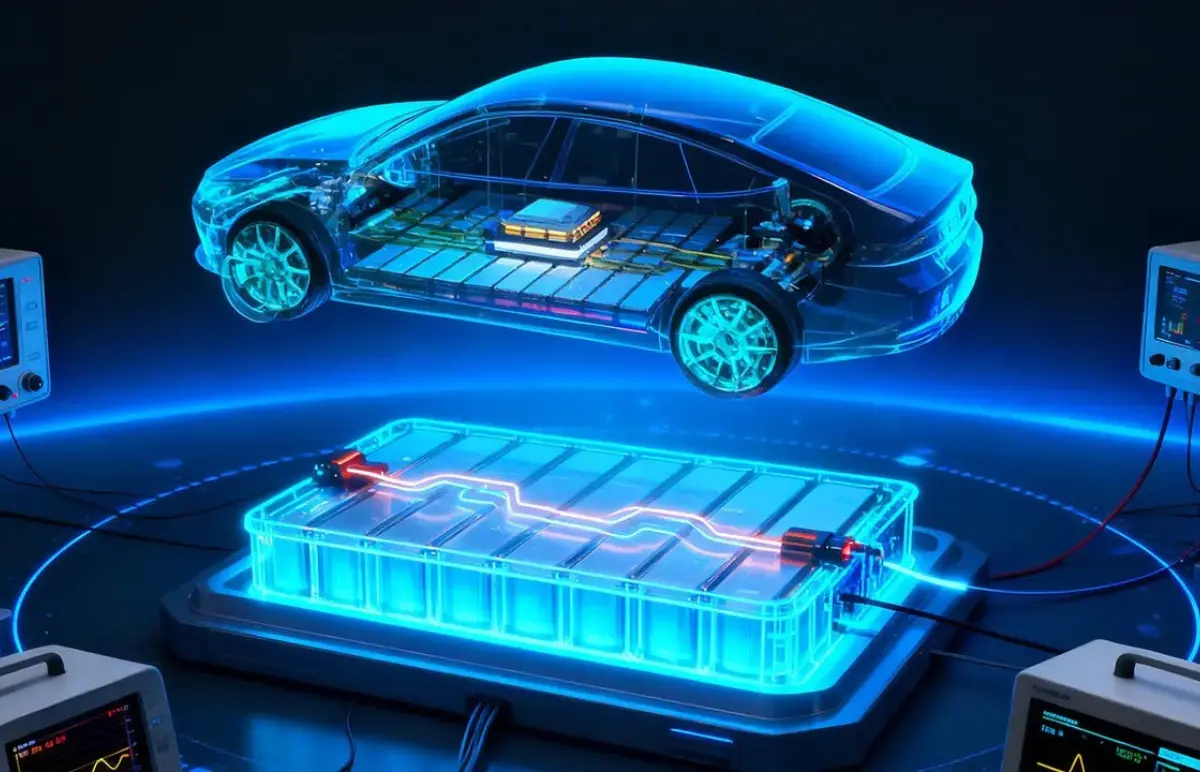
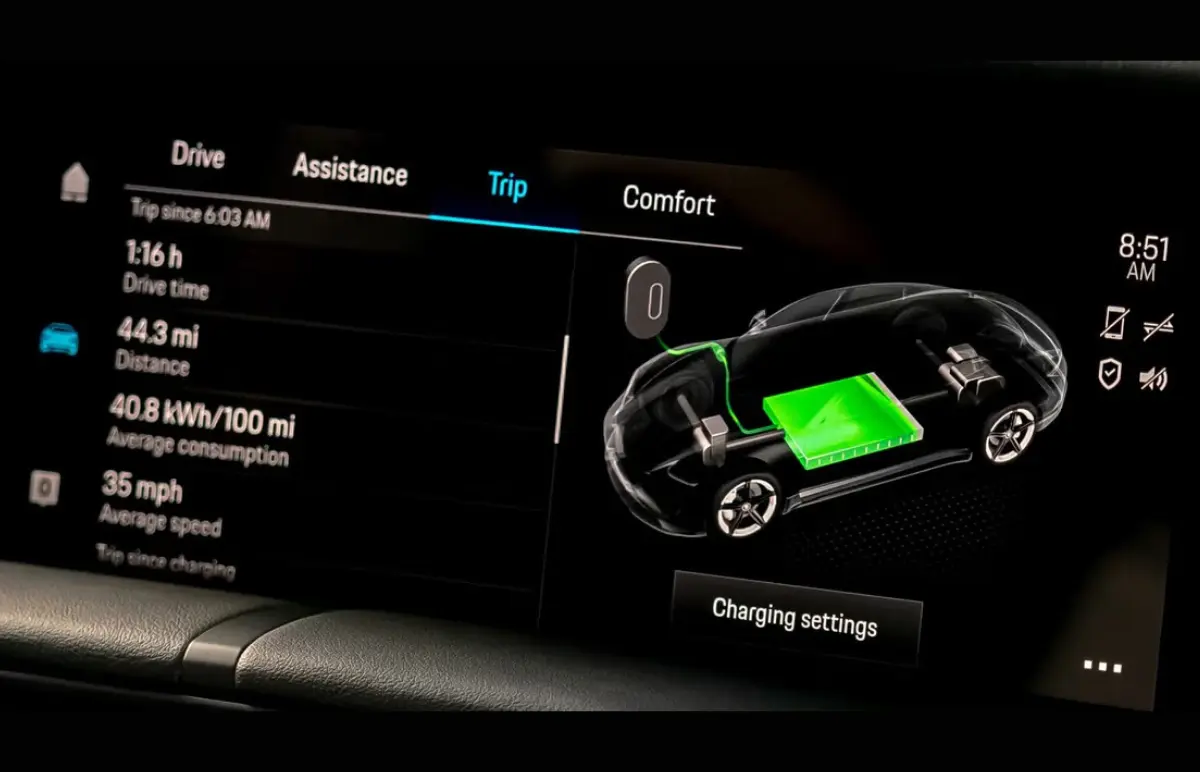
Have you ever charged your EV to 100%, and witnessed lower range on the dashboard than you expected? As u know it will show 320 Km, but has displayed only 270 Km. This seems shocking and you might be thinking, “Is my battery degrading? Did the company lie about the range? Or does driving affect the range?”
Just relax the majority of the time, the battery is absolutely in perfect health, thus it’s not a battery issue, but a battery reading issue. This is where the EV Battery Calibration comes into picture.
How EV Battery Calibration Works?
Unlike a traditional ICE car which comes with a physical float sensor inside the fuel tank to calculate the range, the electric vehicle has to estimate the range on the remaining battery energy, which is quite complex. Your EV depends on a built-in “Brain” which is called a Battery Management System (BMS).
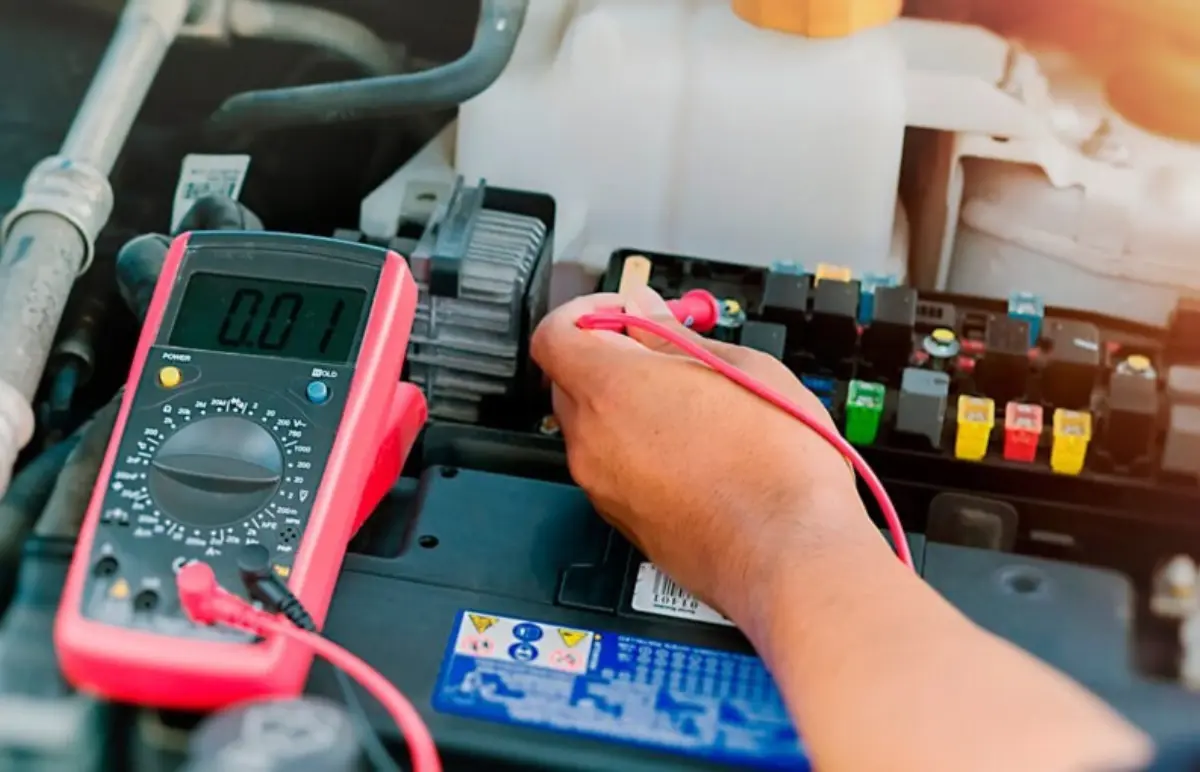
The BMS continually gathers important data such as battery voltage, current flow, temperature, State of Charge (SOC), and overall State of Health (SoH). If you regularly charge your car in partial limits such as 30% to 80% or 40% to 75%, the BMS rarely gets a chance to observe the battery’s upper and lower limits.
Over time, this causes the BMS to drift. This does not mean your battery is damaged, as it simply means that the car has lost track of the actual usable charge. Think of it as a weighing scale at home. If the scale starts giving improper readings, you calibrate it. Calibrating the scale does not magically change the readings, but it makes the reading more accurate.
The EV calibration works in the same way, as it won’t increase your range capacity or make an old battery function like a new one, but it will make your dashboard reading more accurate and realistic.
How to Safely Calibrate Your EV Battery
It is very important to follow your specific manufacturer’s service manual (Since algorithms vary between brands like Tata, Mahindra, BYD etc). However, there are certain steps for a safe approach to calibration.
Here is a detailed process in order to re-align your BMS:
- Drive Normally to a Lower Range: Bring your battery down to a lower percentage via normal driving, but never push it to an emergency dead level (0%).
- Let it Rest: Give the car some rest so that the voltage can stabilize.
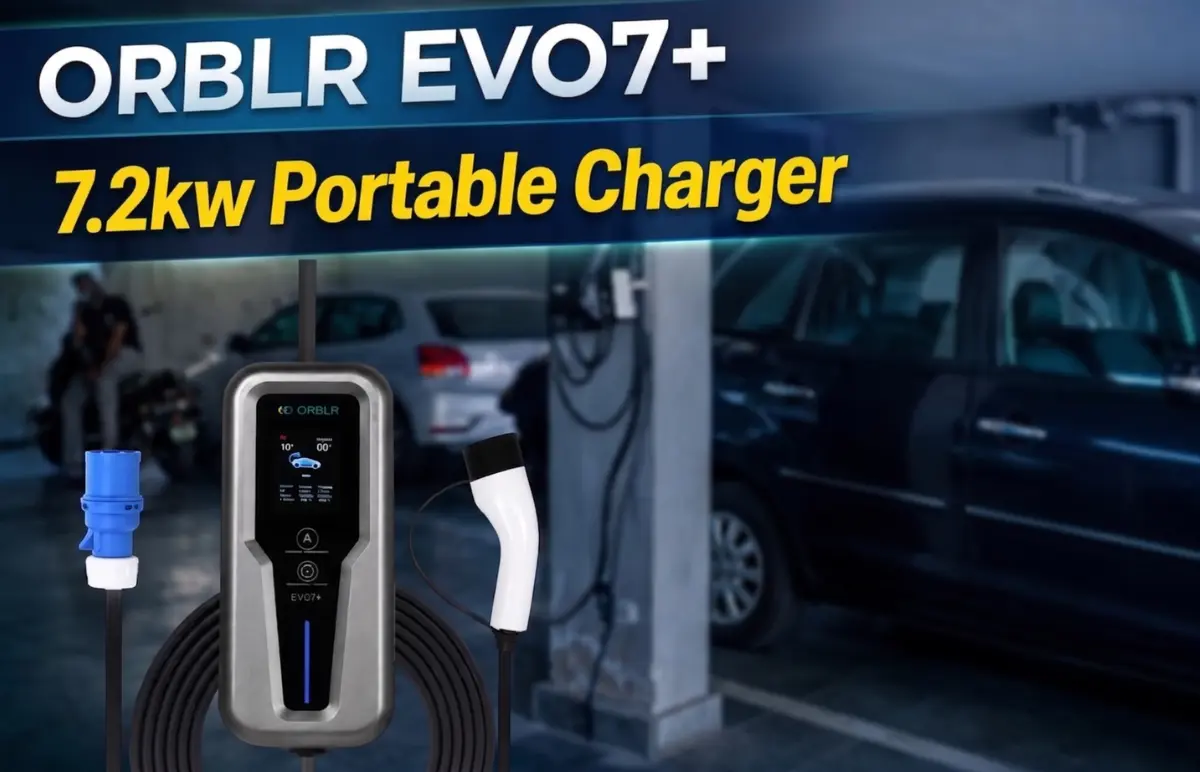
- Charge to 100%: Plug your EV into a slow or normal AC charger and charge it all the way to 100% SOC.
- Leave it Connected: Once it reaches 100% SOC, let it remain connected for a short period of time (depending on manufacturer guidance) before starting for normal use.
Quick Facts & Common Myths
| Key Myths Vs Realities | The Truth about Your EV Battery |
| MYTH: Calibration increases Battery Capacity | FACT: It only improves the dashboard estimate. If a battery size is 60 kWh, calibration won’t make it 65 kWh. |
| MYTH: You must drain your battery to 0% regularly | FACT: Regularly discharging the lithium-ion battery, thus never intentionally drain to 0%, especially in hotter climates. |
| MYTH: Fast Charging calibrates the battery. | FACT: Calibration helps the BMS to observe reference points by using slow or normal AC charging, not fast charging. |
| MYTH: A drop in range means the battery is damaged. | FACT: Displayed range drop is because of aggressive driving, heavy AC use, hot weather, or just a BMS drift. |
The Final Verdict
Battery chemistry also plays an important role in calibration. For reference, LFP batteries have a flatter voltage curve, which makes SOC estimation quite harder to predict for the BMS, so it is recommended to do occasional full charging. However, in NMC batteries, it is important to avoid daily 100% charges to prevent degradation.
Ultimately, calibration doesn’t enhance your range. If your car is showing 350 km on one day and 320 Km on the next, don’t run to the service center. Instead protect your battery from extreme stress and stick to your daily charging habits (Keeping between 20% to 80%), and enjoy the real-world range of your electric car.