EV Charging Station Business in India: Cost, Profit, Risks & Reality Check
.webp)
India's electric vehicle (EV) market is expanding rapidly, creating new business opportunities in EV charging infrastructure. With rising fuel prices, government support, and increasing EV adoption, many entrepreneurs see EV charging stations as a profitable investment. However, success depends on more than just installing chargers. Factors such as location, electricity costs, charger utilisation, customer demand, and operational efficiency play a major role in determining profitability.
Before investing, it is important to understand the actual setup costs, revenue potential, and challenges involved. A well-located charging station with steady users can generate good returns, while poor location or low utilisation can delay profits. This guide explains the investment required, revenue models, government support, and major risks, helping you determine whether starting an EV charging Business in 2026 in India is a smart and sustainable business opportunity.
Understanding the EV Charging Station Business
An EV charging station is similar to a fuel station, except it supplies electricity instead of petrol or diesel. EV owners pay for the electricity consumed, generally calculated on a per-unit (kWh) basis or through charging time, depending on the charging network.
There are different types of charging stations in India:
- AC Chargers (Slow Chargers): Suitable for apartments, offices, shopping malls, and residential societies. They are relatively inexpensive but require longer charging times.
- DC Fast Chargers: Commonly installed on highways, commercial hubs, and public charging stations. They can charge vehicles much faster but involve significantly higher investment.
- Fleet Charging Stations: Designed specifically for electric taxis, delivery vehicles, buses, and logistics companies.
- Private or Semi-Public Chargers: Installed in hotels, restaurants, corporate offices, or apartment complexes primarily for customers and residents.
Your EV charging station business model will depend on which customer segment you plan to target.
EV Charging Station Setup Cost in India
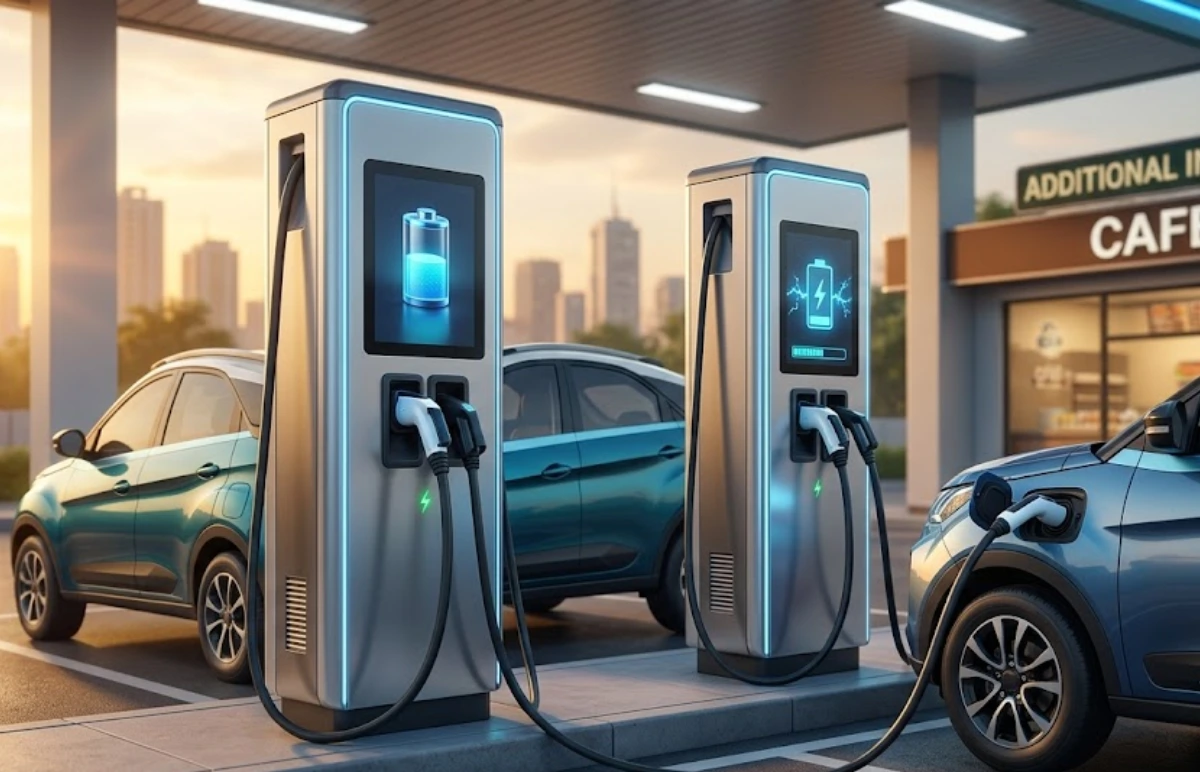
One of the biggest questions investors ask is how much does an EV charging station business cost in India.
The answer depends on several factors like charger type, number of charging points, land ownership, electrical infrastructure, and civil work. Here's a realistic estimate of EV charging station business cost:
| Expense | Estimated Cost |
| AC Charger (7–22 kW) | ₹50,000 – ₹2 lakh |
| DC Fast Charger (30–60 kW) | ₹8 lakh – ₹20 lakh |
| Ultra Fast Charger (120 kW+) | ₹20 lakh – ₹50 lakh+ |
| Electrical infrastructure | ₹2 lakh – ₹10 lakh |
| Transformer (if required) | ₹5 lakh – ₹20 lakh |
| Civil work & installation | ₹1 lakh – ₹5 lakh |
| Software & payment integration | ₹50,000 – ₹2 lakh |
| Signage & branding | ₹50,000 – ₹2 lakh |
| Miscellaneous approvals | ₹50,000 – ₹2 lakh |
Total Estimated Investment
- Small AC charging station: ₹3–8 lakh
- Mixed AC + DC charging station: ₹15–35 lakh
- Highway fast charging station: ₹30 lakh to over ₹1 crore
The investment can increase further if land needs to be purchased or extensive electrical upgrades are required.
Land, Rent, Electricity Tariff and Other Operational Costs
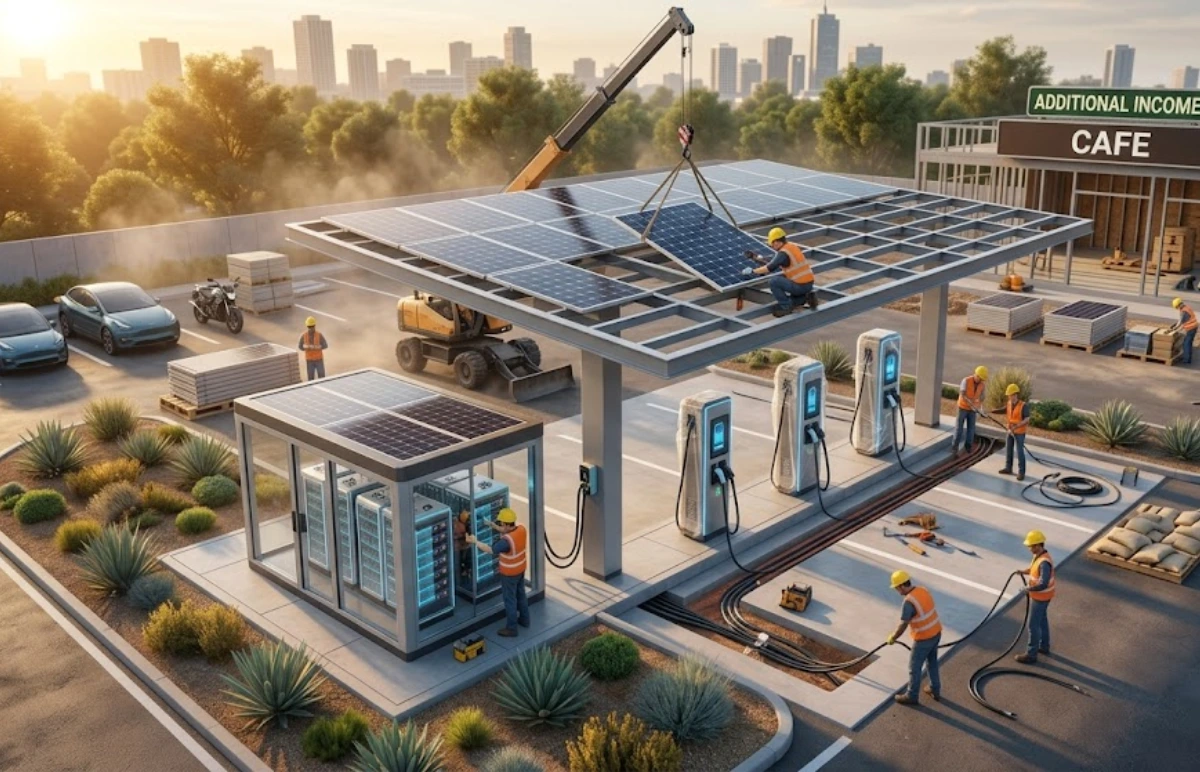
Starting a EV charging station business in India is not just about buying chargers. Several recurring expenses determine whether the business becomes profitable.
1. Land or Rent
Location is perhaps the most important factor. A charging station located near busy roads, commercial complexes, IT parks, residential societies, or highways generally performs much better than one in a low-traffic area.
If you already own land, your initial investment decreases significantly. If renting, monthly costs may vary from ₹20,000 to over ₹2 lakh, depending on the city and location for EV charging station business in India.
2. Electricity Tariff
Electricity is your biggest operating expense. Commercial electricity tariffs generally range between ₹6 and ₹12 per unit (kWh), depending on the state and local DISCOM.
Some states provide special EV charging tariffs, which may reduce operational costs. Your profit margin depends largely on the difference between your electricity purchase price and the amount charged to customers.
3. Charger Maintenance
Charging stations require regular servicing. Annual maintenance generally includes:
- Software updates
- Charger inspection
- Connector replacement
- Cooling system maintenance
- Network monitoring
- Customer support
Maintenance contracts usually cost around 5–10% of charger value annually.
4. Internet and Software
Modern charging stations require:
- Mobile app integration
- Remote monitoring
- Digital payment gateway
- Billing software
- User authentication
- Most charging network operators charge subscription or software fees.
5. Staff Cost
A fully automated station may require minimal manpower. However, larger stations often employ staff for:
- Customer assistance
- Security
- Maintenance coordination
- Cleaning
These costs should be included while calculating profitability.
Approvals and Permissions Required for EV charging Business in 2026
The good news is that the government has simplified the process of setting up public EV charging station business in India. Generally, you may require:
- Electricity connection from the local DISCOM
- Land-use compliance
- Electrical safety certification
- Installation by qualified electrical contractors
- Fire safety measures
- Compliance with Central Electricity Authority guidelines
- Some states may have additional local requirements.
- Working with experienced EPC companies or charging solution providers can simplify the approval process.
Revenue Model: How EV Charging Stations Make Money?
.webp)
There are several ways to generate revenue in the EV charging Business in 2026:
1. Per Unit Charging
The most common model. Customers pay according to the electricity consumed.
Example:
- Electricity purchased at ₹8 per unit
- Customer charged ₹18 per unit
The difference contributes toward covering maintenance, rent, salaries, software, taxes, and profit.
2. Fleet Tie-Ups
This is one of the most stable revenue sources. Businesses can partner with:
- Electric taxi operators
- Food delivery companies
- Logistics firms
- Corporate transport operators
- Bus operators
- Fleet vehicles charge daily, ensuring consistent utilisation.
3. Apartment Charging
Many residential societies are installing shared EV chargers. Revenue comes from:
- Resident charging fees
- Monthly maintenance charges
- Annual service contracts
This model often provides steady long-term demand.
4. Highway Charging Stations
Fast chargers located along highways serve long-distance travellers. Revenue increases when stations offer additional facilities such as:
- Restaurants
- Cafes
- Washrooms
- Convenience stores
- Customers often spend money while waiting for their vehicles to charge, creating additional income opportunities.
5. Advertising and Partnerships
Some charging station operators earn through:
- Digital advertising screens
- Brand promotions
- Retail partnerships
- Parking fees
- Subscription memberships
These can improve overall profitability beyond electricity sales.
Realistic Profit Calculation of EV charging Business in 2026
Let's consider a practical example.
Investment
- Two 30 kW DC chargers
- Installation and infrastructure
- Total investment: ₹30 lakh
Daily Usage
- 250 kWh sold per day
Revenue
- Selling price: ₹18 per kWh
- Daily revenue: 250 × ₹18 = ₹4,500
- Monthly revenue: ₹4,500 × 30 = ₹1,35,000
Electricity Cost
- Purchase cost: ₹8 per kWh
- Monthly electricity expense: 250 × ₹8 × 30 = ₹60,000
Other Monthly Expenses
- Rent: ₹25,000
- Staff: ₹20,000
- Maintenance: ₹8,000
- Software & internet: ₹5,000
- Miscellaneous: ₹7,000
- Total operating cost: ₹1,25,000
Estimated Monthly Profit
- Revenue: ₹1,35,000
- Operating expenses: ₹1,25,000
- Net monthly profit: Around ₹10,000
Major Risks of the EV Charging Station Business
.webp)
- Low Utilisation: This is the biggest challenge. Many charging stations remain underutilised because there are not enough EV users nearby. Without sufficient daily charging sessions, recovering investment becomes difficult.
- Poor Location: A station in an area with limited EV movement may struggle even if it has advanced chargers. Choosing the right location is often more important than buying expensive equipment.
- Increasing Competition: As the EV ecosystem expands, more private players, fuel stations, malls, hotels, and automobile companies are entering the charging business.Higher competition can affect pricing and customer retention.
- DISCOM Delays: Obtaining high-capacity electricity connections can sometimes take weeks or even months. Infrastructure upgrades and transformer installation may further delay operations.
- Equipment Downtime: If chargers remain non-functional due to software issues or hardware failures, revenue stops immediately. Reliable maintenance and quick technical support are essential.
- Rapid Technology Changes: Charging standards continue to evolve. Businesses investing today should ensure that chargers are compatible with multiple vehicle brands and future upgrades.
Government Policies and Subsidies
- Faster expansion of public charging infrastructure
- Guidelines encouraging private charging stations
- State EV policies offering incentives
- Special electricity tariffs in certain states
- Financial support under selected government schemes and state programs
Who Should Start the EV Charging Station Business?
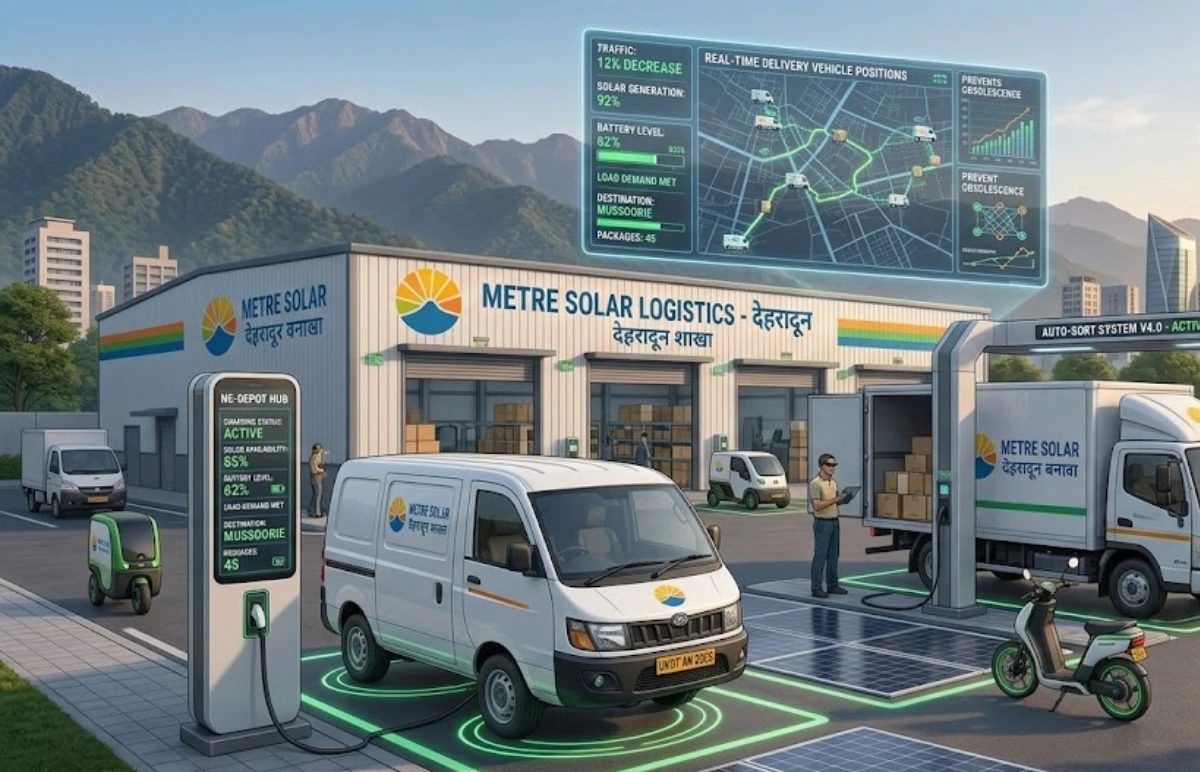
- Fuel station operators
- Shopping mall owners
- Hotels and restaurants
- Fleet operators
- Apartment builders
- Real estate developers
- Entrepreneurs with access to high-traffic locations
- Owning land can significantly improve profitability because rental expenses are eliminated.
Businesses that already attract regular vehicle traffic also have a natural advantage.
Who Should Avoid It?
- Investors expecting quick returns
- People without access to suitable locations
- Businesses relying solely on walk-in customers
- Entrepreneurs with limited capital for infrastructure upgrades
- Anyone unwilling to wait several years for investment recovery
- Patience and long-term planning are important for success in this industry.