EV Insurance in India: Complete Guide to Coverage, Premiums, Claims and Add-Ons
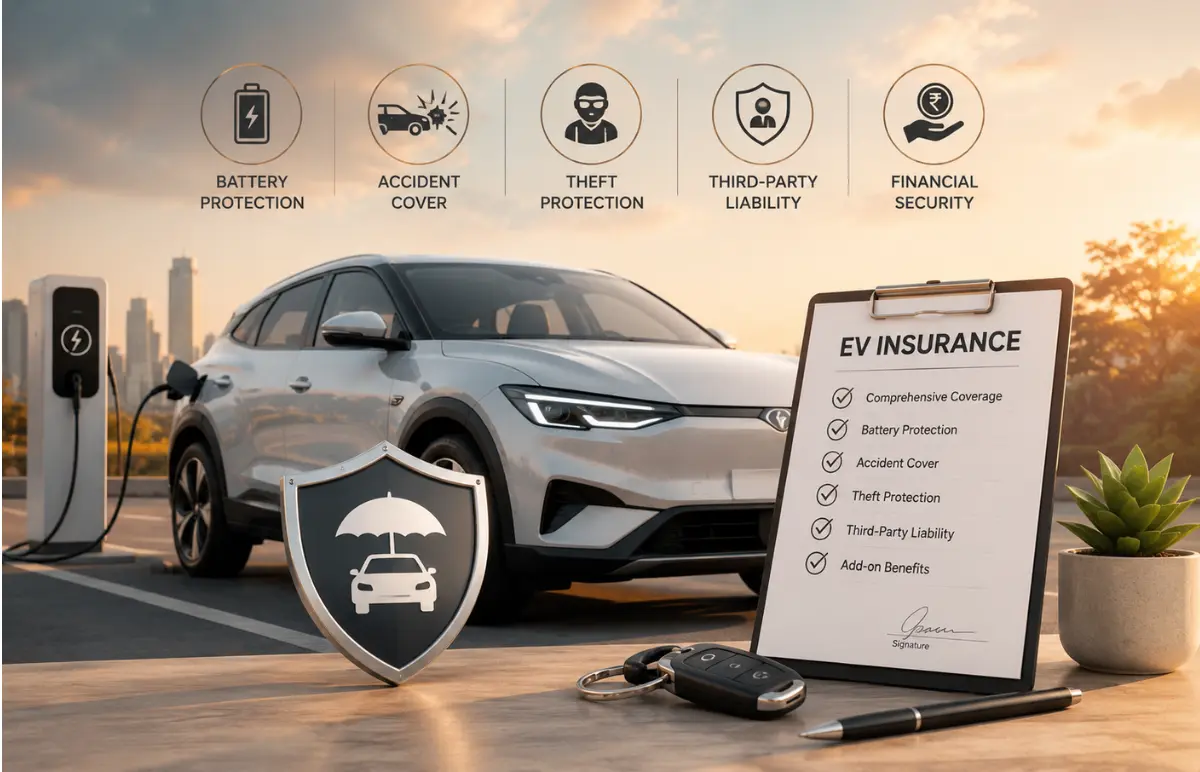
The Indian EV Industry has grown rapidly in the past few years, and some of the most talked topics related to Electric Vehicle includes EV Insurance in India. Electric Vehicles are far more different from a conventional petrol or diesel vehicle as it contains expensive components like onboard charger, battery pack, power electronics, electric motor, and more. The comprehensive/ OD premiums are 20% to 40% higher, due to higher replacement cost, but third party premiums enjoy an IRDAI-mandated (-15% lower than ICE vehicles).
A suitable insurance policy helps to protect the vehicle from the unexpected expenses. EV Insurance includes essential elements like comprehensive own-damage protection, mandatory third-party liability. Specialized EV add-ons, and more. In this guide, we’ve explained everything about EV Insurance in India, including coverage, premiums, claims, add-ons, and more.
Everything About EV Insurance?
EV insurance is a motor insurance policy specially designed to protect electric vehicles against financial losses arising from accidents, theft, natural disasters, fire, and third-party liabilities.
Although the basic structure of EV insurance in India is similar to conventional car insurance, EVs require additional protection because of their high-value battery packs and advanced electrical systems. An EV insurance policy may cover:
- Accidental damage
- Theft & Fire
- Floods and natural disasters
- Third-party injury or property damage
- Battery-related damages (depending on the policy)
- Charging equipment (if included)
Is EV Insurance Mandatory in India?
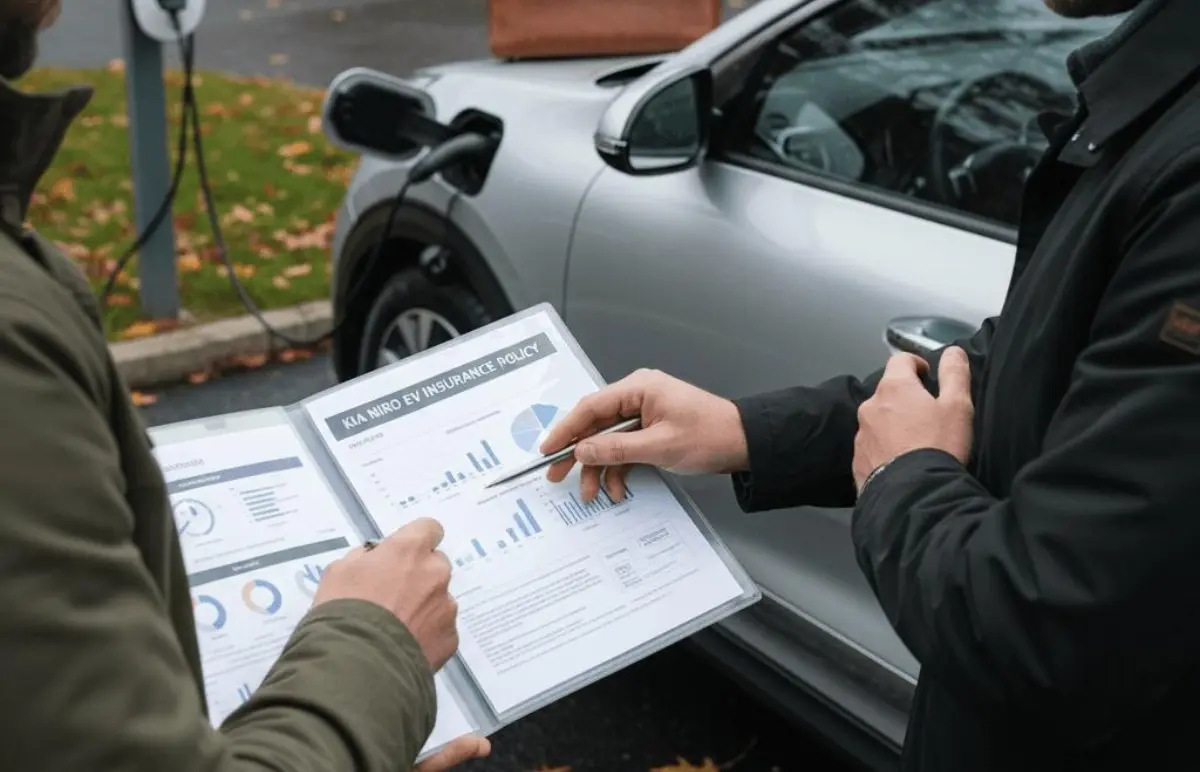
Yes. According to the Motor Vehicles Act, every registered vehicle on Indian roads, including electric cars and electric two-wheelers requiring registration, must have at least Third-Party Insurance. Third-party insurance covers damages caused to another person, vehicle, or property due to your vehicle. However, it does not cover damage to your own EV. For better protection, most experts recommend purchasing a Comprehensive Insurance Policy, especially considering the high replacement cost of EV batteries.
Types of EV Insurance Policies
1. Third-Party Insurance
This is the minimum legal requirement. It covers:
- Injury to another person
- Death of a third party
- Damage to third-party property
It does not cover:
- Damage to your EV
- Battery replacement
- Theft or Fire damage
It is suitable for, older EVs, and vehicles with very low market value
2. Own Damage Insurance
Own Damage (OD) insurance covers damages to your own electric vehicle due to:
- Accident
- Fire
- Theft
- Flood
- Cyclone
- Earthquake
- Vandalism
This policy is usually purchased along with an existing third-party insurance policy.
3. Comprehensive Insurance
This is the most recommended option for EV owners. It combines:
- Third-party liability
- Own damage protection
A comprehensive policy offers broader protection and can be enhanced further using various add-on covers.
What Does EV Insurance Cover?
| Covered | Details |
| Accident Damage | Repairs after collision |
| Fire | Damage due to accidental fire |
| Theft | Total vehicle theft |
| Natural Calamities | Flood, cyclone, earthquake, landslide |
| Man-made Events | Riots, vandalism |
| Third-party Liability | Injury or property damage |
| Personal Accident Cover | As applicable under policy terms |
| Transit Damage | During transportation |
Coverage varies by insurer and selected policy options. Always read the policy wording carefully before purchase.
Which Factors Affects the EV Insurance Premium
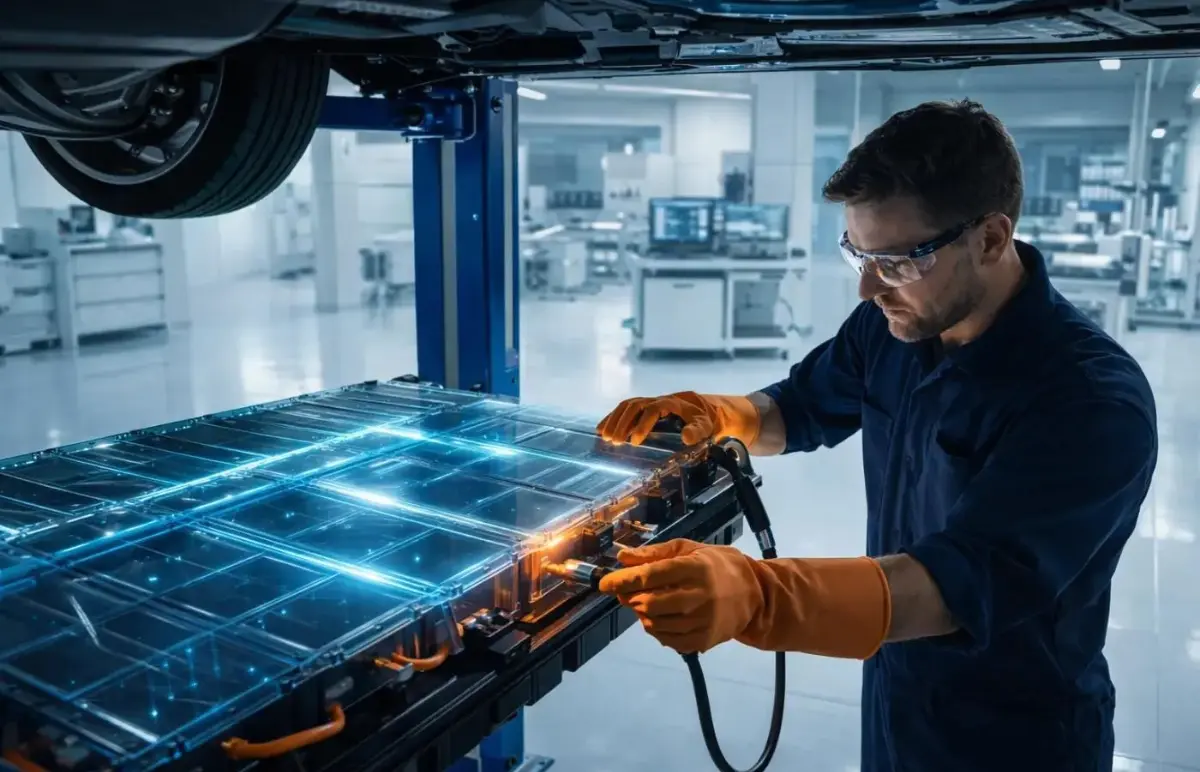
Insurance premiums for the Electric Vehicles are not fixed. They depend on several factors, which are listed below:
- Insured Declared value (IDV): Purchase of the Electric Vehicle includes a higher initial price tag, so the IDV and subsequent own damage premiums also increases accordingly
- Battery Capacity & Cost: Electric cars consist of Lithium-ion batteries which make up to 40% to 60% of the EV’s total value. So the replacement or repair cost is higher.
- Vehicle Model: Premium electric SUVs generally cost more to insure than entry-level EVs.
- Location: Premiums differ based on traffic density, theft rate, claim frequency, and more.
- Driver's Claim History: A claim-free history helps you earn a No Claim Bonus (NCB), reducing the own-damage premium on renewal.
- Add-ons: More add-ons increase the premium but also improve coverage.
- Age of Vehicle: Older vehicles usually have lower Insured Declared Value (IDV), affecting premiums.
- Availability of the EV parts: Various components and parts of the Electric vehicle are sourced globally which take time and more cost to replace.
- Specialized Technicians and tools: Electric Vehicles need unique tools and certified technicians which are not commonly found, so the labor cost increases significantly.
Does EV Insurance Cover the Battery?
One of the most common questions which comes in the mind of an EV buyer is the coverage of the battery, as it is one of the most expensive components of an Electric Vehicle. The standard EV insurance in India covers the battery pack during certain circumstances including,
- Accidents: Collisions or Physical impact which damages the battery pack
- Fire: Short circuit fire, intentional harm, external explosions to the battery are covered.
- Theft: Stealing of the battery component or the vehicle is covered.
The normal wear and tear degradation is excluded from the policy like:
- Natural Degradation: Gradual loss of battery health over time and range.
- Charging incidents: Improper voltage, surges, or using unauthorized chargers.
- Water Ingress: Seepage from driving through roads (Without add-ons).
Battery Protection add-ons
To protect the battery against common risks the buyer can opt for Battery Protection add-ons. Many insurers offer a Battery Protection Add-on, which may provide additional protection for specific battery-related risks, depending on the insurer's terms and exclusions. Coverage varies widely between insurers, so buyers should carefully review what is included and excluded before purchasing.
What is the EV Insurance Claim Process in India?
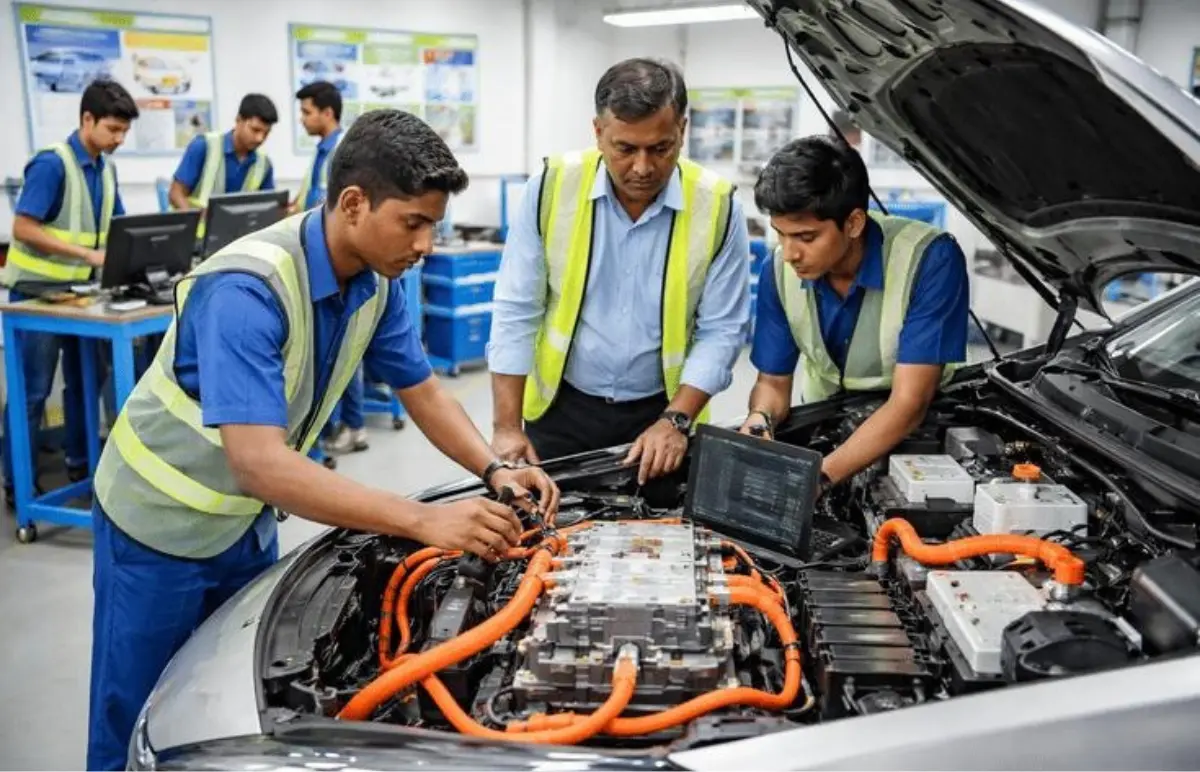
Making an insurance claim is generally easy and simple, if you follow the correct procedure, which is:
Step 1: Inform your insurance company immediately after the incident.
Step 2: Take photographs of:
- Vehicle damage
- Accident location
- Number plate
- Any third-party damage
Step 3: File an FIR if required (especially in theft cases).
Step 4: The insurer appoints a surveyor to inspect the vehicle.
Step 5: Repair your EV at an authorized or network workshop as advised by the insurer.
Step 6: Submit required documents:
- Driving licence
- RC
- Insurance policy
- Claim form
- Repair estimate
- FIR (if applicable)
Step 7: After verification, the insurer settles the claim according to policy terms.
Essential EV Insurance Add-Ons
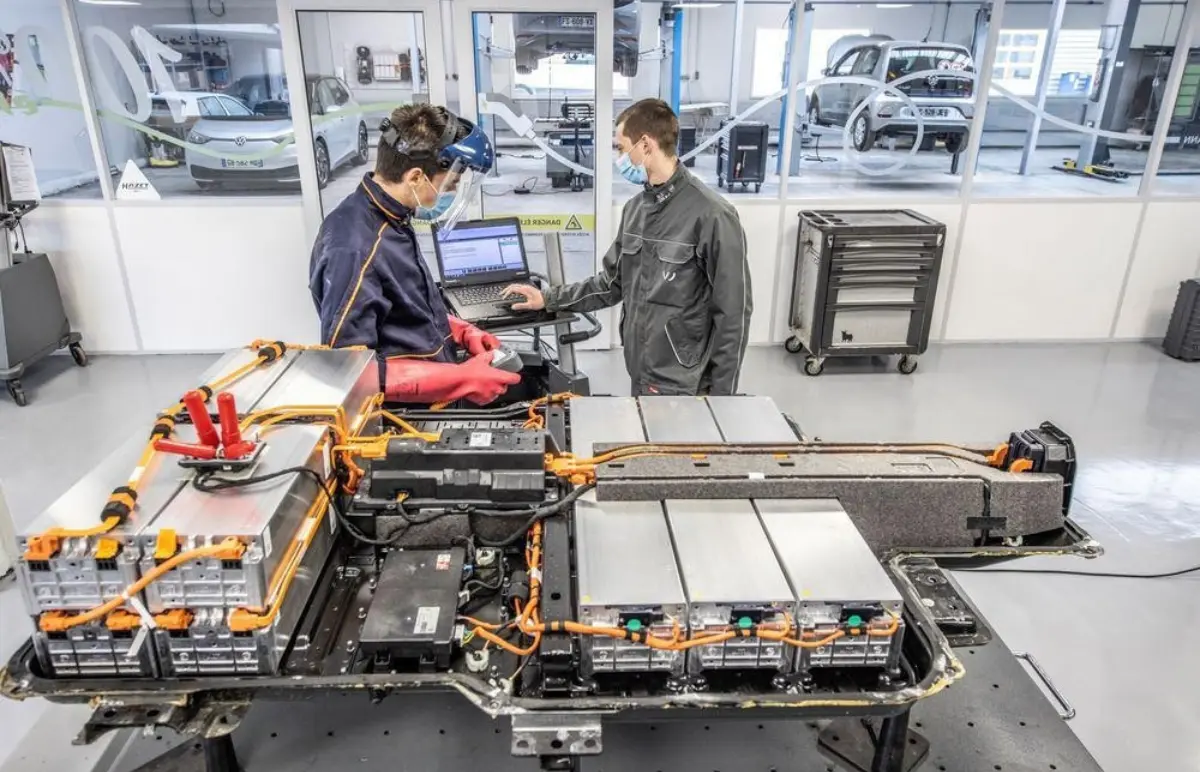
Add-ons provide additional protection beyond the basic policy.
- Battery Protection Cover: One of the most important add-ons for EV owners. It provides additional protection for battery-related risks covered under the policy terms.
- Zero Depreciation Cover: Normally, depreciation is deducted while settling claims. Zero Depreciation Cover helps reduce or eliminate this deduction for covered parts, subject to policy conditions. Ideal for, new EVs and premium electric cars
- Return to Invoice Cover: If your EV is stolen or declared a total loss, this add-on can compensate based on the invoice value (subject to policy terms) rather than only the depreciated value.
- Roadside Assistance (RSA): Useful during emergencies like, flat tyre, towing, minor repairs, locked vehicle, and emergency support
- Consumables Cover: Pays for consumable items used during repairs, such as nuts, bolts, lubricants, and coolant where applicable, depending on policy terms.
- Key Replacement Cover: Covers replacement costs if the smart key is lost or damaged.
- Charger Protection: Some insurers also offer protection for the home charger or charging equipment as an optional benefit. Availability depends on the insurer.
EV Insurance Options in India
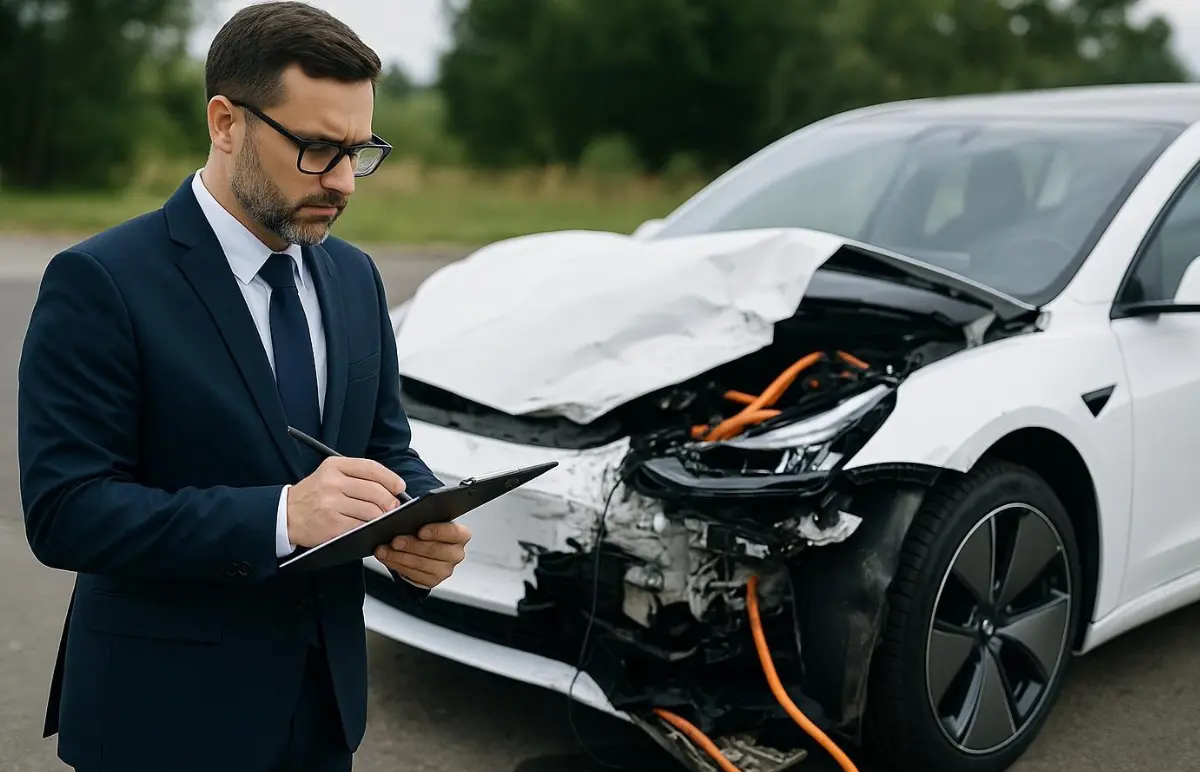
There are various insurance companies in the market, and we have listed some of them below:
- Tata AIG: It offers EV plans starting from a low price with specific riders for electric surges, battery protection, and more.
- HDFC ERGO: It is widely known for extended zero-depreciation add-on durations and customized electrical components covers.
- ICICI Lombard: It offers wide network garage support and own damage and fire protection.
- ACKO Insurance: This company is popular for digital first processing and RSA (Specialized roadside assistance), and other options covering unlimited kilometers.
There are various other options available like, SBI General Insurance, National Insurance, Bajaj Allianz, and many more. The above mentioned are highlighted as they have introduced some unique policies.
Common Reasons Why EV Insurance Claims Get Rejected
Claims may be rejected if:
- Policy has expired
- Driving without a valid licence
- Driving under the influence
- Commercial use of a private vehicle
- Damage outside policy coverage
- Delay in reporting
- False information
- Negligence or intentional damage
- Always disclose accurate information while purchasing insurance.
No Claim Bonus (NCB)
No Claim Bonus is a reward for safe driving. If you do not make any own-damage claim during the policy period, you receive a discount on the own-damage premium at renewal. The discount increases with consecutive claim-free years and belongs to the policyholder, not the vehicle.
Tips to Choose the Best EV Insurance Policy
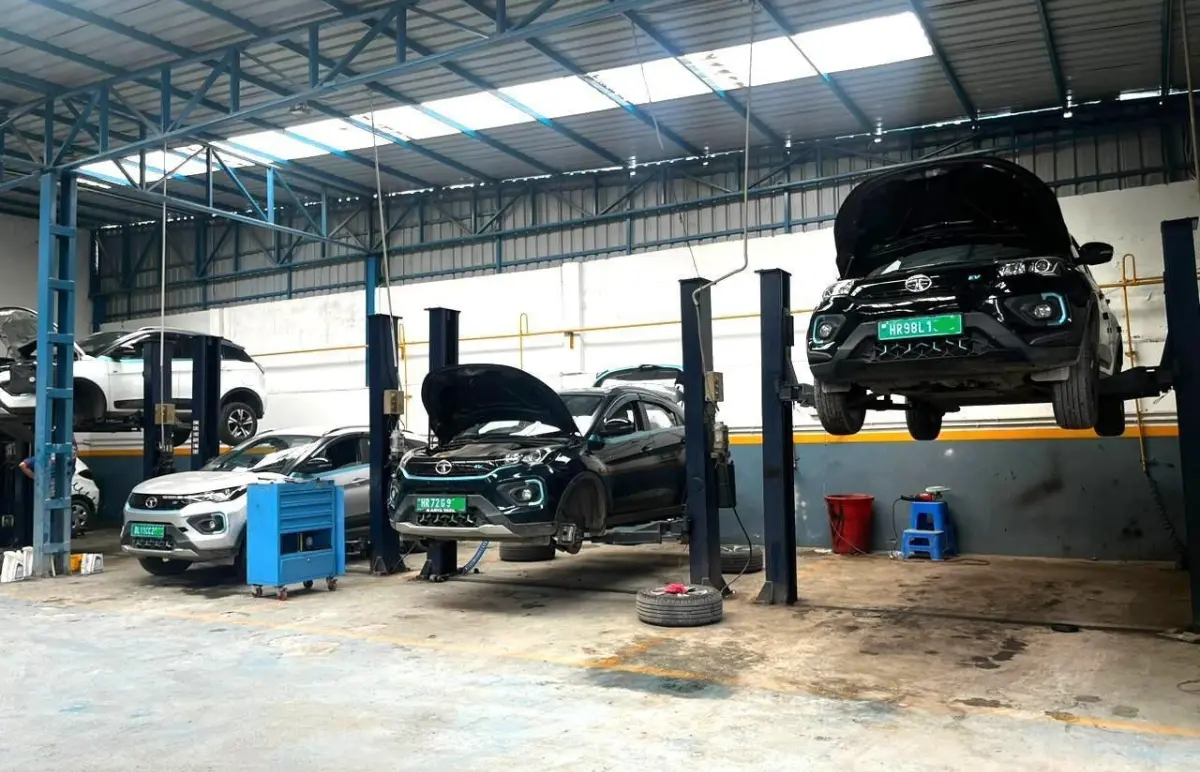
Before buying EV insurance in India, compare multiple policies instead of selecting the cheapest option. Check the following:
- Battery protection availability
- Network garages near your location
- Claim settlement process
- Cashless repair facility
- Zero depreciation option
- Roadside assistance
- Charger coverage
- Policy exclusions
- Customer reviews
- Renewal benefits
Also, read the policy document carefully to understand coverage limits, waiting periods, and exclusions.
EV Insurance vs Petrol Car Insurance
| Feature | EV Insurance | Petrol Car Insurance |
| Battery Cover | May require dedicated add-on | Not applicable |
| Repair Cost | Generally higher | Moderate |
| Motor Protection | Electric drivetrain | Engine |
| Add-ons | Battery, charger, electrical components | Engine protect, consumables, etc. |
| Maintenance Risk | Different component profile | Mechanical engine-related |
Final Verdict
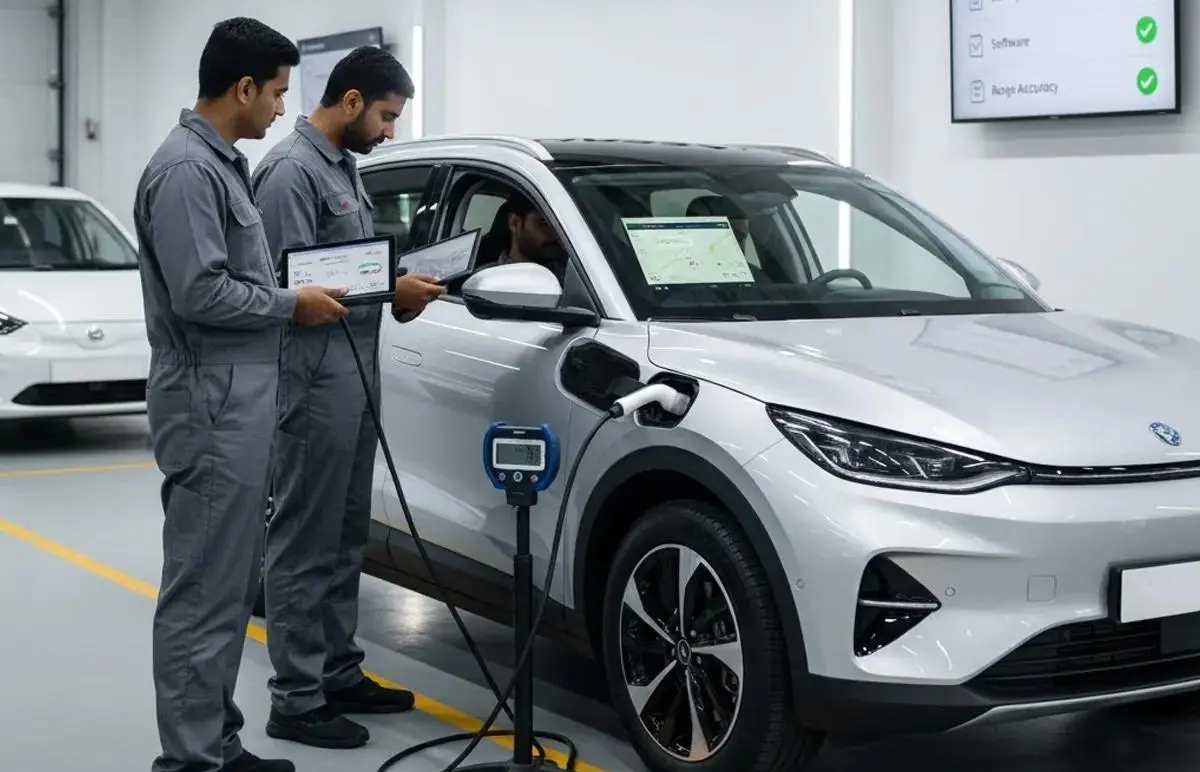
Maintaining an Electric Vehicle is more expensive than buying, and to keep the vehicle secure it is important to choose the correct Insurance policy. The EV insurance in India is also slightly expensive as compared to the petrol or diesel car insurance, but is effective and helpful. The components and parts of the EV, like batteries, electric motors, are expensive and it is important to cover it under the Insurance. So, instead of focusing on premium, always choose insurance which covers the major risks, especially related to batteries.
Buying a vehicle is a one time investment but buying an insurance policy is an every year process, so every time you opt for a EV Insurance policy in India, make sure you read through every term and condition very well. Also choose a trusted insurance company and keep yourself updated about the new policies as the government revises them to adjust purchase incentives, manufacturing rules, set strict phase out dates and more.
.webp)