The Truth About Owning an EV in 2026 | Cost, Battery Life & Real Ownership Reality in India
Thinking of switching to an electric car in 2026? The popularity EVs have witnessed over the years has made many new users wondering about having an EV in their garage. In 2026, the public charging infrastructure is constantly evolving and many companies are offering lifetime battery warranties, which just makes 2026 as a perfect time to use EVs as your major source of mobility.
Let’s look at a clear perspective and discover the practical reality of owning an EV in 2026.
The Golden Rule: Home Charging is Everything
A dedicated parking spot with a home charger is a must, if you want to seamlessly use an EV as it is convenient as plugging your smartphone at night. Without a home charger, your EV ownership experience will be quite complex as you need to do daily planning and range anxiety.
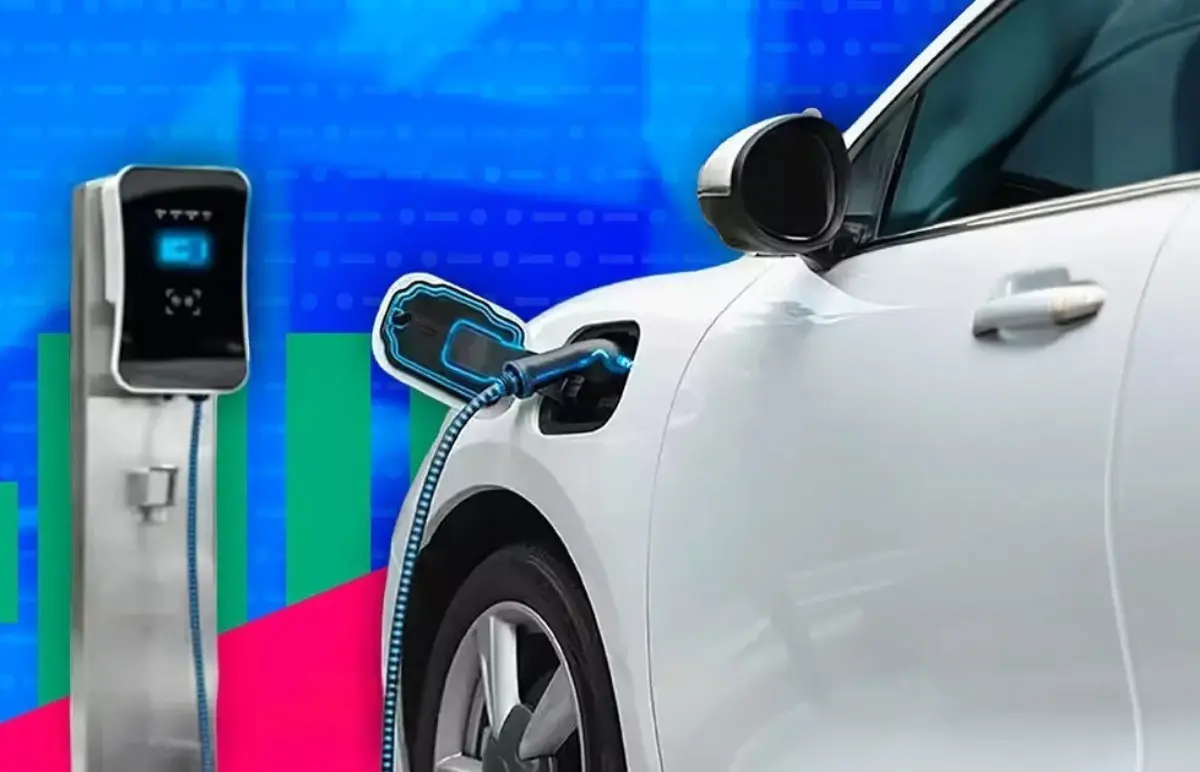
PRO TIP: Thus, before visiting the showroom, always ensure that your residential society permits charger installations so that your electricity billing will be completely sorted.
Running Costs
EVs are quite cheap to operate as it costs around Rs 1 to Rs 2 per Km, when charged from home, compared to the Rs 8 to Rs 10 for a petrol car. However, the massive cost savings is only possible if your monthly running is high.
PRO TIP: If you drive over 1,000 Km a month, an EV is a must buy for you. But if your monthly running is under 500 Km, it would take a lot of time to recover from the higher upfront cost of the car, making it a poor financial decision.
.webp)
The Battery Warranty Game
The biggest fear for early EV adopters is the high battery replacement cost. However, in 2026 the market has been totally changed as big EV companies like Tata, Mahindra, and MG now provide “Lifetime” battery warranties for first time owners.
PRO TIP: It is very important to go through the service schedules as the lifetime battery warranty is not transferable to the second owner. This directly affects the overall resale value of the car.
Low Maintenance
The best part about owning EVs is you don’t need to pay extra money for engine oil changes and complex mechanical services including replacement of components. But do not assume that EV maintenance is completely free of charge.
.webp)
PRO TIP: As EVs generate instant torque and come with a heavy battery pack, tires are prone to faster degradation than normal ICE cars. It is pretty normal for EVs tires to wear out in just 15,000 to 20,000 km, if driven aggressively. You also need to regularly have a check-up of suspension, brake pads, coolant systems, and the standard 12V battery.
Quick Breakdown: The Real EV Experience in 2026
| Factor | Ground Reality |
| Profitability | Makes financial sense only if you drive 1,000+ km / month. |
| Real Range | Just Ignore the company claims. Formula: Your Daily Drive * 2.5 = Require Real-World Range. |
| Charging Infra | Metro cities are ideal; Highways require pre-planning charging stops. |
| Maintenance | No Engine Service, but faster tire degradation due to heavy weight and instant torque. |
| Resale Value of EV cars | Still Evolving, as second hand buyers are not eligible for lifetime battery warranty. |
.webp)
Are EV cars worth it in 2026?
If you commute heavily within the city and have a fixed home charging setup, and plan to keep the vehicle for a long time, buying an EV in 2026 is the smartest financial decision. However, if you frequently take unplanned highway trips and rely totally on public chargers, or drive less than 1,000 Km per month, a traditional petrol or hybrid car is a far more practical option.