How Cold Weather Affect EVs: Range, Battery, Charging and Driving Tips
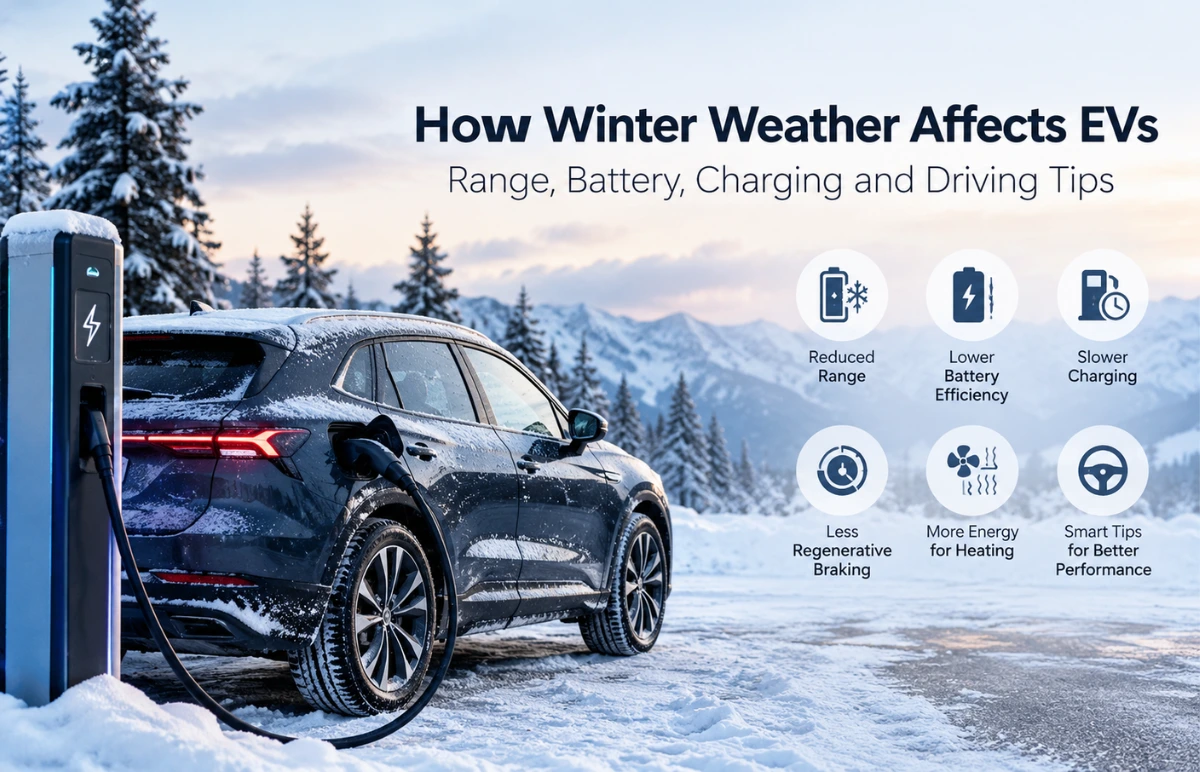
Electric vehicles (EVs) are designed to withstand different weather conditions but the cold weather can affect EV range, charging speed and overall efficiency. This effect is more prominent in regions where the temperatures fall close to freezing or below. Cold weather does not normally indicate that the EV battery is permanently damaged as the low temperatures temporarily slow the battery's chemistry and require extra energy to heat the battery and the cabin.
Research from the U.S. Department of Energy (DOE), Geotab and real-world EV data studies indicate that winter conditions can reduce efficiency, although it varies by vehicle, temperature, battery technology, heating system and driving conditions. In this blog we have covered everything about how cold weather affects EVs, its range, battery, charging, and more.
How Does Cold Weather Affect EVs?
The main effects of cold weather on an EV include:
- Less driving range
- More energy consumption
- Slower DC fast charging
- Less regenerative braking
- More energy for cabin heating
- More time to reach preferred battery temperature
The effect depends on how hot or cold it is. The 5.2 million trips, 4,200 EVs studied by Geotab specific dataset showed that 21.5°C was the efficiency sweet spot in its data set and colder had a bigger effect on range.
Why Does EV Range Drop in Winter?
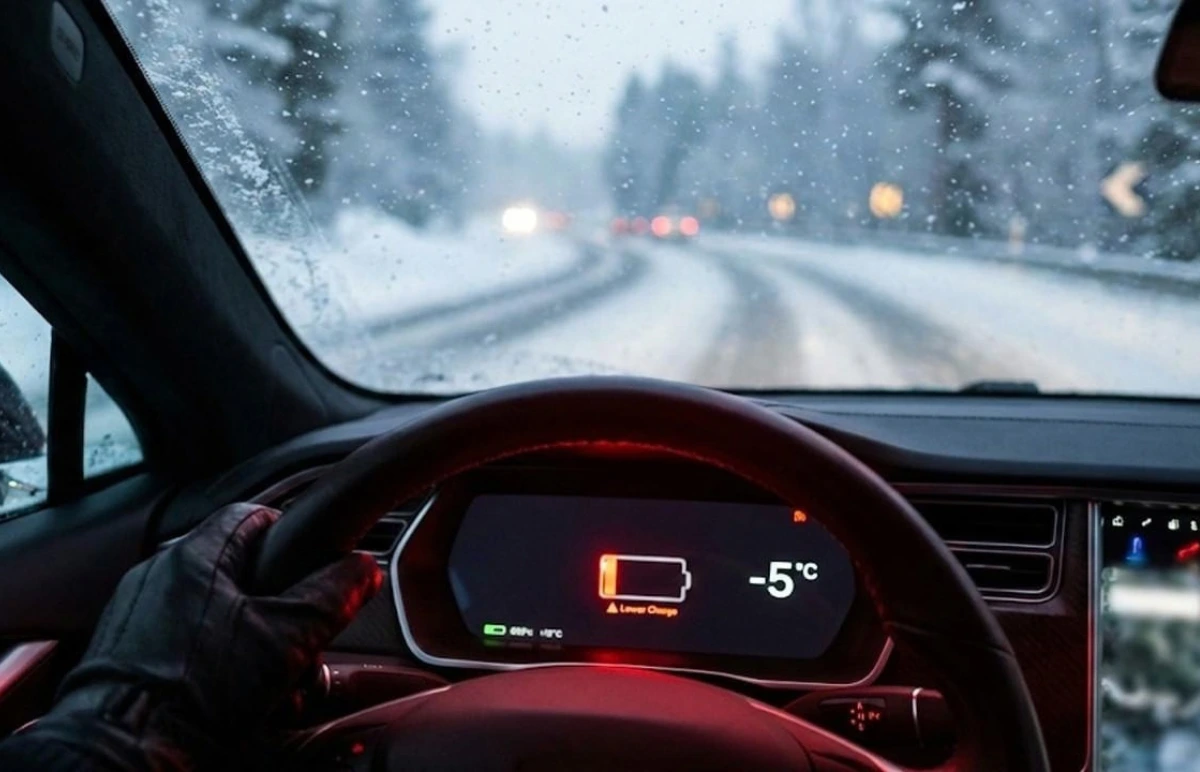
There are two major reasons for lower EV range in cold weather: the EV's battery loses efficiency and heating the vehicle consumes more energy.
1. Cold Weather Slows Down Battery Chemistry
EVs use lithium-ion batteries, whose chemistry slows down at low temperatures. The internal resistance can also rise, impairing the battery's ability to efficiently deliver and accept energy. Modern EV batteries use thermal-management systems to mitigate this, but overall battery performance can be less efficient until it's warmed up to its preferred temperature. The reduction in available performance is usually temporary, as the battery can reach back to its preferred performance level after being warmed up.
2. Cabin Heating Consumes Energy
Heating is another reason for lower EV range in cold weather. A petrol or diesel car can use the waste heat produced by the engine to warm its cabin, whereas an EV usually requires the battery to provide electrical energy for heating. This means shorter trips can consume more energy in cold weather as the car needs to spend energy to warm its cabin as well as move. Recurrent's 2025/26 study found that 34 popular EV models could retain an average of around 78% of their maximum range at 0°C and 70% at -7°C. But there was a large variance between the different models, so these figures shouldn't be seen as a guaranteed winter range loss for all EVs.
Does Cold Weather Impact EV Charging Speed?
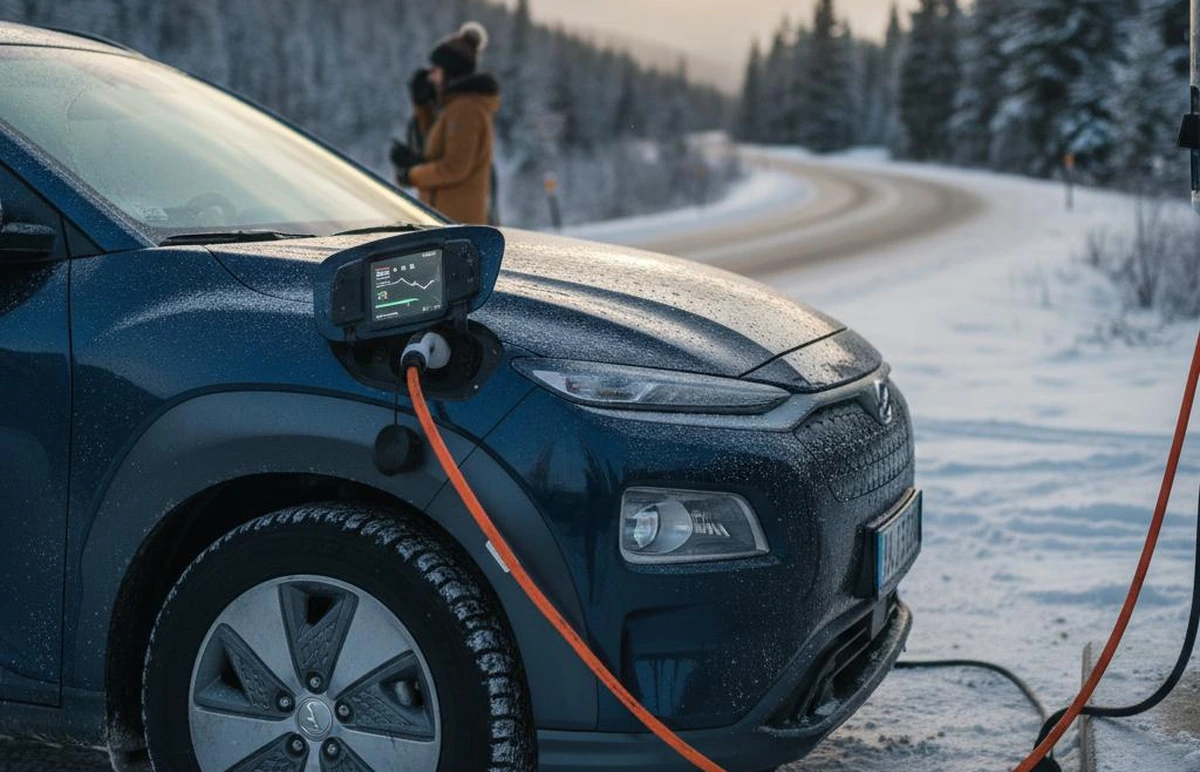
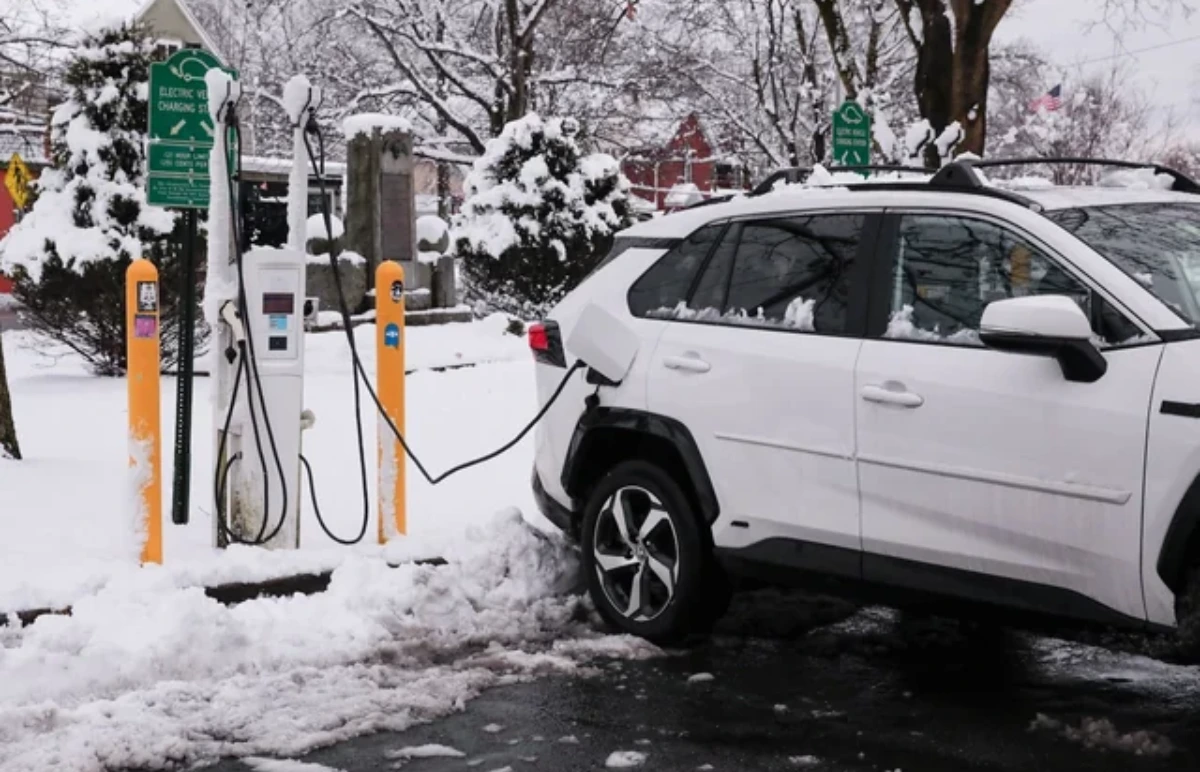
Yes, a cold battery can't always accept high power levels for charging. The battery-management system can limit the amount of power going to charge the battery until it reaches a suitable temperature. This is especially noticeable when the battery is cold upon arrival at a DC fast-charging station. Many newer EVs offer battery preconditioning, which warms the battery to make it more receptive to fast charging.
Some vehicles can automatically start preconditioning when their navigation system detects a fast-charging station as the destination. Similarly, preconditioning can help the battery to accept more power for charging. This is different to cabin preconditioning, which mainly prepares driving conditions before departure.
How Does Cold Weather Affect Regenerative Braking?
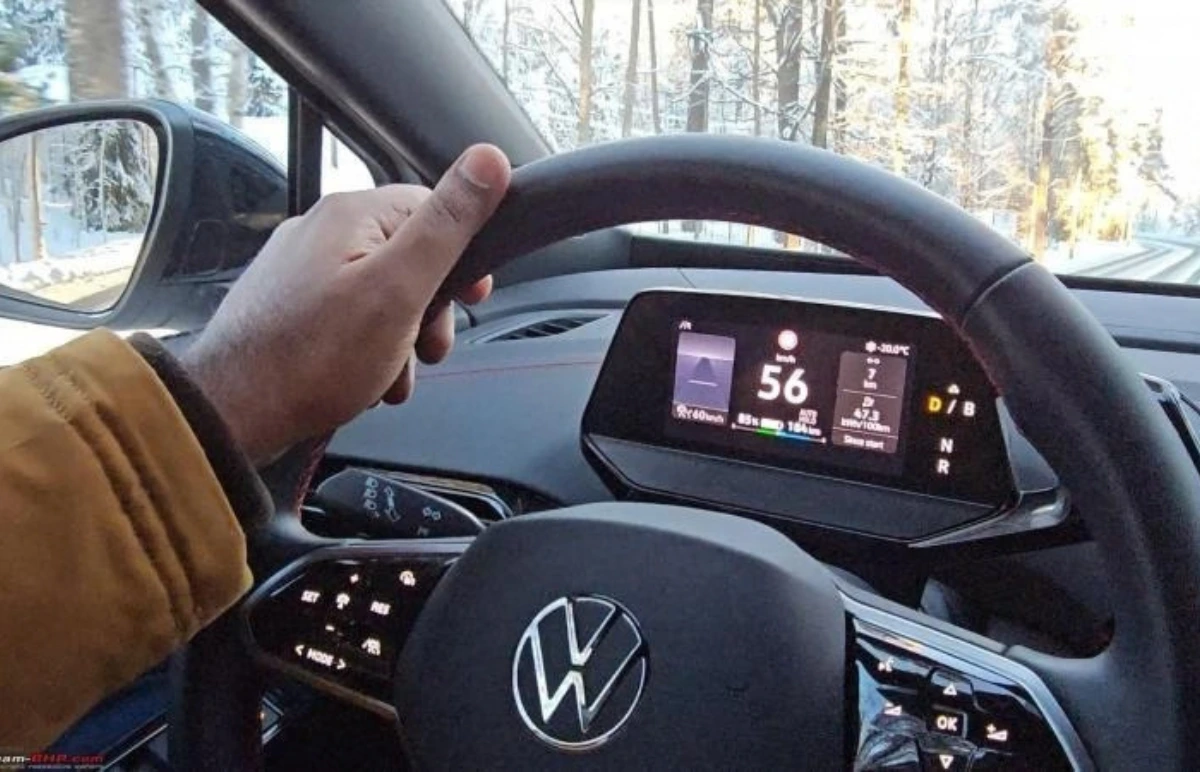
Cold weather can also impact regenerative braking. Regenerative braking sends energy back to the battery when the vehicle slows. However, a cold battery may not be able to accept energy at the same rate as a warm battery. As such, some EVs temporarily reduce regenerative braking when the battery is cold. Drivers may notice that the car does not slow as much as expected when they lift off the accelerator, particularly shortly after starting the vehicle. This is a temporary condition which improves as the battery reaches a normal operating temperature.
How Does an EV's Heat Pump Help During Winter?
A heat pump can improve the winter efficiency in an EV. Instead of producing all of the cabin heat, a heat pump transfers the available heat from the surrounding air and other parts of the vehicle into the cabin. This can require less electrical energy in suitable conditions. The U.S. Department of Energy recommends considering a heat pump when purchasing an EV for colder climates as it can heat the cabin more efficiently than a conventional resistance heater. However, having a heat pump does not eliminate the winter range loss. Very low temperatures, high heating needs, driving speed and other conditions can impact efficiency.
How to Improve EV Range in Winter?
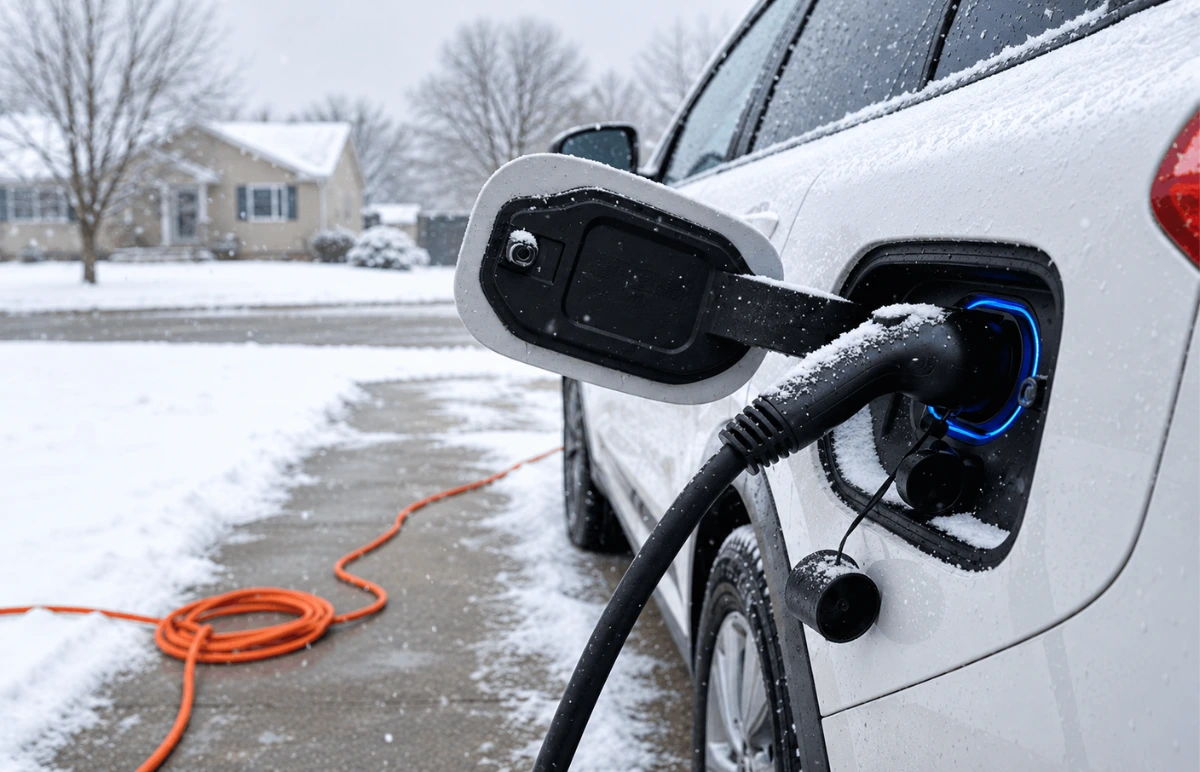
There are several simple ways for EV owners to reduce the impact of cold weather.
Precondition Your EV While Plugged In
If your EV has preconditioning, make use of it while it's connected to a charger. This way, your cabin and, if supported, your battery can be warmed up with the electricity being used to charge the car, rather than stored energy once you start your car.
Keep Sufficient Charge
A cold-weather trip can require more energy than normal. For long journeys, it's a good idea to keep some additional battery charge to get you a useful range buffer. Always follow the charging recommendations from your vehicle manufacturer.
Use Heated Seats and Steering Wheel
If you have heated seats and a heated steering wheel, they can provide direct warmth to the passengers while reducing the need to aggressively heat the cabin.
Drive Smoothly
High speeds, rapid acceleration and wind increase the energy consumption of an EV. Cold weather can add to this, so it's a good idea to maintain a steady speed and avoid unnecessary accelerations to maintain range.
Check Tyre Pressure
Cold weather can reduce tyre pressure. Driving with underinflated tyres reduces efficiency, so make sure to check the pressure regularly and follow the manufacturer's recommended values.
Plan Charging Stops
During a winter road trip, don't rely on the maximum range of your vehicle under ideal conditions. Keep some battery charge and allow for extra time if the battery is cold.
Also check: 15 Electric Vehicle Myths and Facts in India 2026
Why Does an EV Display Less Range in Winter?
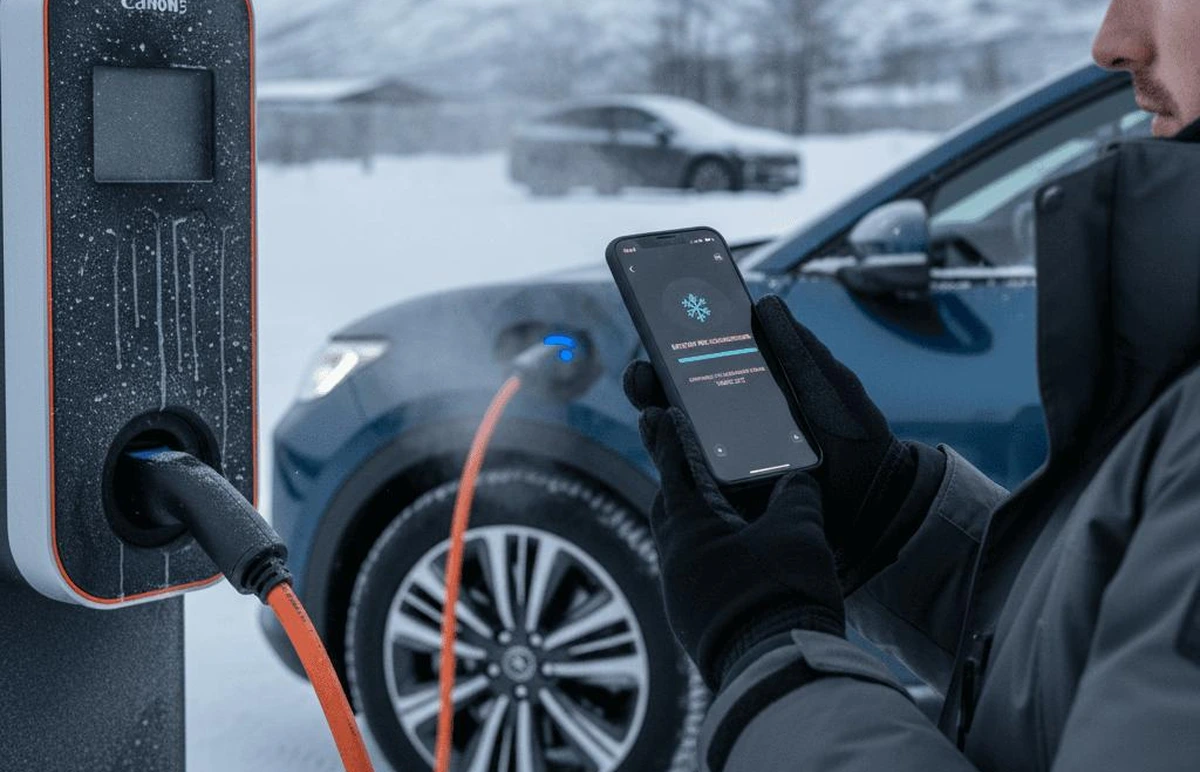
The range displayed by an EV is a prediction based on recent energy consumption and driving conditions. Cold weather, cabin heating, increased energy use and driving speed can cause the displayed range to drop. A lower displayed range during a cold spell doesn't necessarily mean that the battery has permanently lost its capacity.
Does Winter Cause Permanent Battery Damage for EVs?
Normal use in winter doesn't necessarily cause permanent battery damage. Much of the performance loss caused by cold weather is temporary and improves as the battery warms up. Modern EVs use battery-management and thermal-management systems to manage battery temperature and protect the cells. In very cold conditions, additional precautions may be helpful. The DOE recommends covering the vehicle if possible and taking precautions against freezing of charging connectors in extreme winter conditions.
Is Winter a Problem for EVs in India?
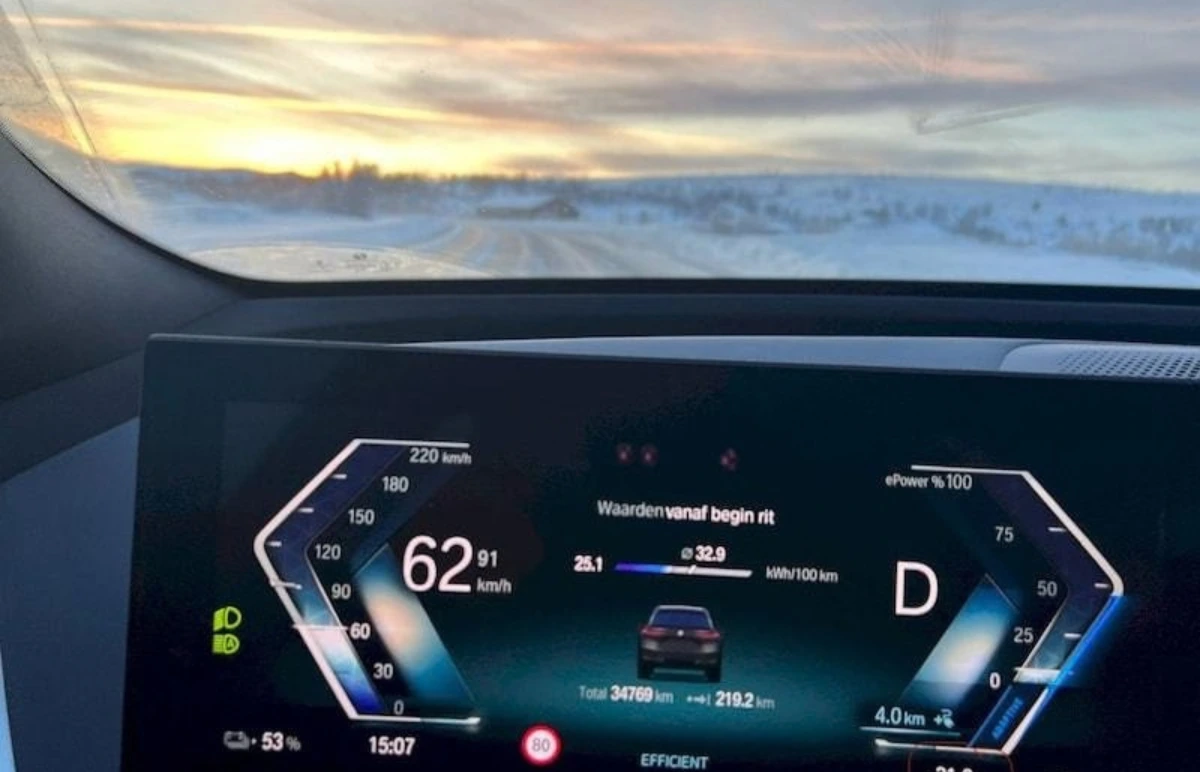
The impact of winter temperatures on EVs in India varies greatly depending on the area. In many parts of the country, winter temperatures aren't low enough to cause the effects seen in other countries with prolonged sub-zero weather. But Northern India can have substantially colder mornings and evenings during winter, and Hill areas can have much lower temperatures.
In these areas, EV owners may see reductions in driving range, increased heating needs and slower charging when the battery is very cold. For buyers in Delhi-NCR and other Northern areas, winter range performance is important, but overseas winter range figures shouldn't be blindly applied to Indian conditions. The real impact depends on local temperatures, driving conditions and the EV's thermal-management system.
Also check: EVs Vs Elevation | How to Drive your EV on Mountains?
Winter EV Tips: A Quick Checklist
| Winter EV Tip | Why It Helps |
| Precondition while plugged in | Uses external electricity to warm the vehicle |
| Keep sufficient charge | Provides a larger range buffer |
| Use heated seats if available | Can reduce the need for high cabin heating |
| Drive smoothly | Helps reduce energy consumption |
| Plan charging stops | Cold batteries can charge more slowly |
| Use battery preconditioning | Helps prepare the battery for fast charging |
| Park under cover when possible | Helps protect the vehicle from extreme cold |
| Check tyre pressure | Correct pressure supports better efficiency |
Conclusion
Winter weather can reduce EV range and charging performance, but the impact varies significantly between vehicles and temperatures. The main factors are a reduced battery efficiency, cabin heating and slower charging when the battery is cold. For most EV owners, simple measures like preconditioning while plugged in, keeping sufficient charge, maintaining tyre pressure, driving smoothly and planning charging stops can reduce the impact. For Indian owners, the impact is more relevant in colder Northern and Hill areas than areas with cold winters. Understanding how temperature affects your particular EV is more helpful than relying on a single fixed percentage for winter range loss.