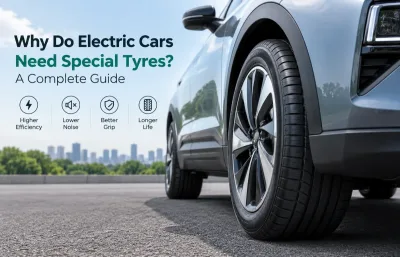
Why Do Electric Cars Need Special Tyres? A Complete Guide
Electric cars have various differences from petrol and diesel vehicles, and these differences have an impact on tyres as well. An electric car carries a battery pack and has faster acceleration and less noise than a conventionally powered vehicle. These characteristics have implications for a suitable set of tyres for an electric car.
Not all electric cars require a tyre with an EV designation. The correct tyre for an electric car will provide the required load-carrying capability, size, speed rating, and performance. This article discusses the challenges facing the tyres of an electric car, the characteristics of a tyre designed for this type of vehicle and considerations for EV tyre replacement.
Why Do Electric Cars Need Special Tyres?
Electric cars have different tyre needs due to their battery weight, their instant torque and their quiet nature. However, not all electric cars need specialised tyres. Here are the reasons why electric cars need special tyres.
1. Heavier Batteries Need Suitable Tyres
Electric cars can be heavier than comparable petrol cars because of their battery packs. This means they have a larger weight that needs to be carried around, especially when carrying passengers and luggage. Certain EV specific tyres employ reinforced construction or have higher load ratings to be able to withstand larger weights. For example, XL (Extra Load) tyres can carry more weight than standard load tyres when used within their recommended limit. However, not all EV's need XL tyres. Always consult the owners manual of your electric vehicle to see what tyre sizes and ratings you need.
2. Instant Torque Can Mean Extra Wear
Electric Motors can produce torque from low RPMs, enabling many EV's to accelerate rapidly. This can put extra wear onto the tyres, especially from hard acceleration as well as the combination of the torque and the weight of the vehicle. Some EV-oriented tyres are designed to balance grip, efficiency and durability , but this wear will vary depending on many factors including the driving style, road surfaces, pressure and maintenance of the tyres. Although EV specific tyres enable a balance of performance and durability, this does not mean they are impervious to wear.
3. Low Rolling Resistance Can Enable More Range
Rolling resistance is the amount of energy a tyre absorbs as it rolls on the road. Some energy is required to bend the tyre as it deforms when rolling and then to put it back into shape. This energy can be lost, and the motor has to compensate for this, essentially using more of the battery's energy to overcome rolling resistance. Tyres with low rolling resistance lose less energy, and can enable an EV to travel further distances on a single charge.
However, the increase in range depends on many variables: the tyre, the EV, the speed and the conditions. Rolling resistance should not come at the expense of safety, and a low rolling resistance tyre should not sacrifice grip on the road, especially in wet conditions. A good level of grip is required to be able to stop the EV quickly and safely.
Also check: Complete EV Maintenance Checklist 2026 | Battery Care, Tyres, and Service Tips
4. Special Tread Patterns And Foam Can Minimise Road Noise
Due to the overall reduction in noise from an EV (compared to a petrol/diesel vehicle) there is more of an ability for road and tyre noises to penetrate the cabin. Some EV specific tyres have special foam or tread patterns which reduce road noise at higher speeds, enabling a more comfortable and enjoyable drive.
However, this ability varies from tyre to tyre, and depends on the road surface, the speed and the pressure of the tyre. Not all EV tyres will have this ability, and the presence of an EV specific tyre does not always mean a reduction of inroad noise.
5. Good Grip Is Always Required To Enable Stopping And Cornering
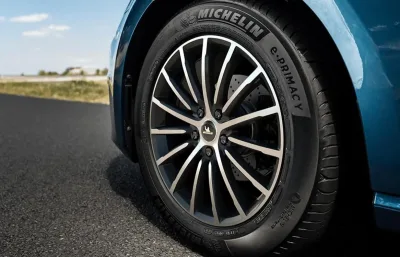
As well as being a consideration for safety on wet roads, grip is an important factor in the overall braking performance and handling of an EV. Due to their weight and acceleration performance of many EV's, it is important to consider good braking and handling capabilities when considering which tyres to buy. The construction of the tyre, the compound and the tread pattern all affect grip, cornering and braking performance.
Tread patterns help disperse water but cannot eliminate aquaplaning. When considering a tyre, it is important to look at the braking performance, grip on wet roads and the recommendations of the manufacturer. Range and noise are important considerations, but safety should always be prioritised.
6. Does Regenerative Braking Affect How Quickly Your Tyres Wear Out?
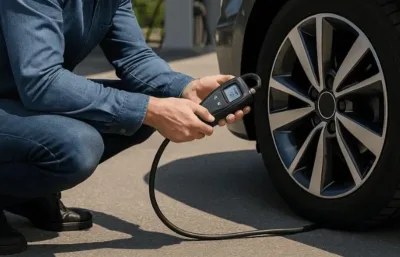
Regenerative braking allows electric cars to slow down by utilising the motor to slow the rotation of the wheels and generate electricity, sending it back to the battery pack. This reduces the wear on traditional friction brakes, especially at lower speeds, and can allow regenerative braking to perform the majority of the braking in certain conditions. However, this does not necessarily mean that regenerative braking causes faster wear on the tyres.
In reality, the causes of faster tyre wear in EV's is the same as any other car: weight, driving style, road conditions, the condition of the tyres and the pressure of the tyres. However, it is important to always check and maintain the condition of your tyres in terms of wear and pressure. This is essential to ensuring the safety and performance of your EV.
What Makes an EV Tyre Different From a Regular Tyre?
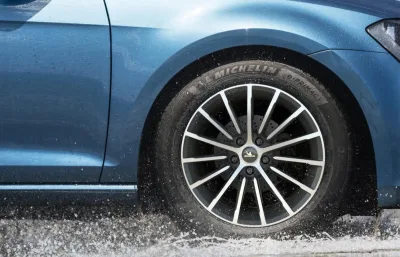
EV tyres are not inherently different from regular car tyres. Many features found on EV tyres can be found on standard car tyres. The difference is that an EV tyre incorporates features that are suitable for a specific EV.
| Feature | Why it matters for EVs |
| Load capacity | Supports the vehicle's weight and passenger load |
| Tyre construction | Helps manage load, acceleration and cornering forces |
| Rolling resistance | Influences battery energy consumption and driving range |
| Noise reduction | Helps reduce tyre noise inside a quiet cabin |
| Grip and tread design | Supports braking, handling and wet-road performance |
| Wear resistance | Helps manage the demands of vehicle weight and torque |
Some tyres carry an EV-specific mark whereas others are certified as being suitable for electric vehicles. Markings on tyres vary throughout the industry, so the importance of correct specification is paramount.
Do All Electric Cars Need Special EV Tyres?
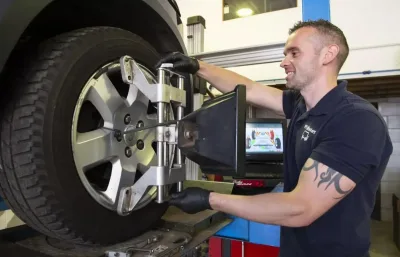
No. An electric car does not always need a tyre marketed specifically for EVs.
Some regular tyres will be appropriate for an EV if they meet the manufacturer's requirements for size, load capacity, speed rating, and other relevant specifications. There are several manufacturers that offer a range of tyres suitable for both electric vehicles and conventional cars.
However, it is not always the case that an EV has no special requirements in a tyre because of its weight, performance, or original equipment. In these circumstances it is vital that a tyre with the correct load rating and performance characteristics is chosen. It may be necessary to consider a tyre's speed and load capabilities in conjunction with its performance. Before replacing a tyre on an electric car, it is important to look at the following:
- Tyre size: Make sure it matches the size specified in the car's owner's manual.
- Load index: Make sure the tyre can support the specified weight.
- Speed rating: Check it meets the minimum speed rating specified by the vehicle manufacturer.
- Original equipment recommendations: Check if there is a recommended tyre type or model.
- Driving conditions: Consider wet weather, comfort and efficiency.
An EV marking on a tyre can be an indicator of its suitability for an electric car, but it should not be the only factor considered.
Also check: EV Tyres VS Normal Tyres | Five Key Differences
How to Extend the Life of Electric Car Tyres?
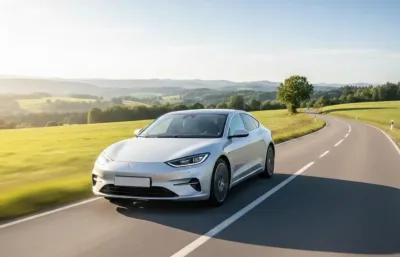
Even the best tyres can suffer from premature wear if they are not maintained correctly. The following tips can help extend the life of an electric car's tyres and ensure the continued safety of the driver.
- Check the pressure of your tyres: Make sure the pressure is within the recommended range for the vehicle.
- Check wheel alignment and uneven wear: Have the wheels' alignment checked and balance and wheel bearings inspected if there is incorrect or uneven tyre wear after the recommended service period.
- Drive smoothly: Avoiding sudden acceleration and hard braking can reduce stress and strain on an electric car's tyres.
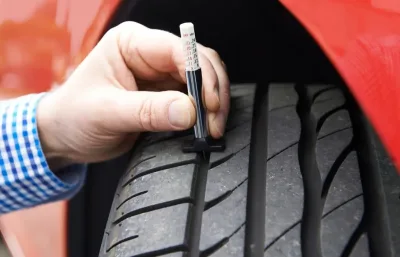
- Check the tread and condition of your tyres: Make sure there are no cuts, bulges, cracks, foreign objects, or excessive tread wear on the tyres. Replace any damaged tyres and always check the recommended tyre wear limits specified by the manufacturer.
These tips are relevant to all vehicles. However, EV owners must consider the impact on the vehicle's efficiency and the suitability of the tyres for the vehicle's size and performance.
Are EV Tyres More Expensive?
EV-specific tyres can cost more than a standard alternative, but the cost will vary depending on the range, size, and performance category of the tyres as well as the manufacturer.
For instance, a tyre designed to carry the weight of a heavy electric SUV will need to be of a larger size and have a higher load rating than one designed for a small electric hatchback. Premium tyres with special noise-reduction technology and enhanced performance can be more expensive also. However, it is not always the case that EV tyres are more expensive than conventional tyres.
Some standard tyre sizes that meet the requirements of an EV will support the car's performance without cost premium pricing. When comparing the cost of a tyre it is important to consider the full package of benefits: safety, expected lifespan, improved efficiency from lower rolling resistance, comfort, and replacement cost. A cheaper tyre is not necessarily a better value option if it does not meet the performance requirements of the vehicle and its owner.
Also check: 15 Electric Vehicle Myths and Facts in India 2026