EV Safety in India: Battery Protection, Crash Tests and Fire Prevention
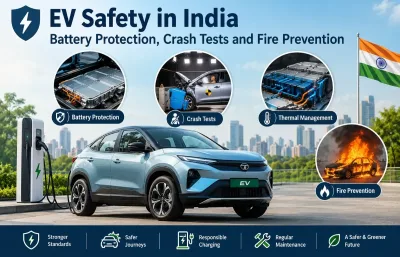
Quick Summary
Due to increased range, better battery performance, and reduced costs, electric vehicles are gaining popularity in India. However, battery safety, electrical faults during charging and safety during accidents remain key issues. To ensure safe handling of high voltage battery systems, India now has strict standards in place for battery safety in electric vehicles. These include AIS-156 and AIS-038. Crash testing and certification schemes such as Bharat NCAP also helps consumers understand the level of safety provided by the vehicle. Battery safety, crash safety, charging safety, and minimising fire risk must be considered in order to determine safety in electric vehicles.
Understanding EV Safety and Its Major Challenges
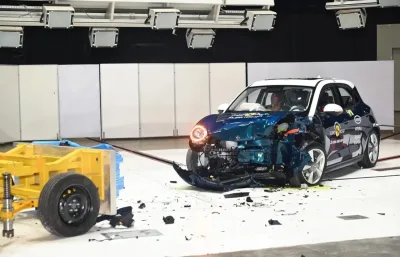
EVs differ from internal combustion engine (ICE) vehicles. They contain high voltage battery packs in addition to electric motors, electrical systems and power electronics. Therefore, EVs have unique safety considerations.
- Battery safety: In most EVs, lithium ion batteries are used. If manufacturing errors occur or the battery overheats, or suffers damage or electrical faults, thermal runaway may occur in the battery.
- Electrical safety: If high voltage components are damaged, electric shocks could occur. Therefore, good insulation and automatic power disconnection must be in place.
- Charging safety: Poor wiring, poor earthing, damaged connections, and inappropriate charging equipment can lead to increased electrical risks.
- Battery damage due to accident: As battery packs are usually placed underneath the body of the vehicle, a very severe collision or hitting obstacles in the road could result in damage to the battery package.
EV Battery Protection and Thermal Management Systems
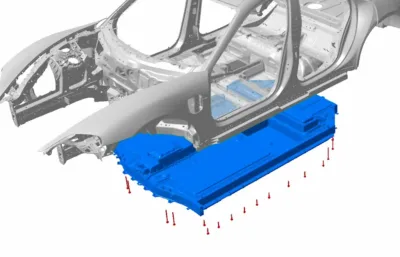
Battery packs in EVs are a crucial safety feature. Cells in the pack are grouped together and connected by an electrical management system. Good battery packs will protect the battery cells from excessive heat, physical damage, electrical faults, and adverse environmental conditions.
Battery Management System
The Battery Management System monitors and manages the battery. It continually records:
- Battery temperature
- Current in charging and discharging
- Battery state of charge
- Voltage differences between cells
- Electrical faults and unusual conditions
If any unsafe conditions are present in the battery, the BMS can limit charging/discharging within the battery. Based on the design of the vehicle, it may be able to disconnect the battery from the high voltage system. If an individual battery cell gets too hot, or the voltage deviates from acceptable levels, the BMS can detect this issue and report it to the vehicle control system.
Thermal Management System
The performance, efficiency and safety of batteries will be affected by the temperature. Too much heat may accelerate cell degradation. Thermal runaway may occur in the battery. Thermal management systems in EVs ensure that the battery is at appropriate operating temperatures. Depending on the vehicle design, some vehicles will have:
- Liquid cooling: Heat is removed from the battery by circulating coolant through channels or plates.
- Air cooling: Air is blown around the battery to manage temperature.
- Heating systems: To ensure appropriate battery temperatures in cold conditions.
- Temperature sensors: Sensors are placed in different places in the battery to provide data to the BMS.
Liquid cooling is commonly used in electric cars with large battery packs, as it allows for good temperature control in extreme conditions.
Battery Enclosure and Physical Protection
Battery packaging makes sure that individual battery cells and electrical connections are protected. It is generally made of strong metal and will protect the battery from impacts on the road, vibrations, dust and moisture. Due to the location of batteries near the ground in vehicles, protection in areas under the body of the vehicle may be considered by manufacturers. A strong battery casing can reduce the chance of damage occurring to the battery during an accident. Appropriate mounting points and protective structures can reduce the chance of battery damage.
Thermal Runaway and Electric Vehicle Fire Risks
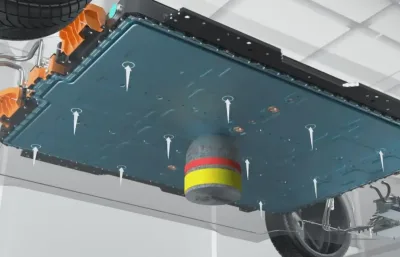
Thermal runaway in batteries is a key safety consideration in EVs. Thermal runaway in a battery cell can occur if the temperature within increases uncontrollably. This causes additional heat within the cell. This heat can affect surrounding cells, meaning that thermal runaway in one cell may cause thermal runaway in the entire battery pack. Common causes of thermal runway in batteries include:
- Short circuits within the cells due to defects or damage.
- Over charging or high current.
- Damage to battery cells in an accident.
- Poor thermal management.
- Defects during manufacture or assembly.
If a battery catches fire, it may be difficult to manage as heat may still be produced within the battery. In some situations, fires may reoccur once initial flames have been managed.
Safety Features to Reduce Thermal Runaway
To reduce the chances of thermal runaway in batteries, and to limit its effects, EV manufacturers incorporate multiple safety features: Protection within individual cells, temperature monitoring, automatic disconnection, cooling and thermal separation between cells/modules.
Controlled venting may be included in battery pack designs to allow management of gas emissions from battery failure. This aims to reduce the risk of fire, explosion and dangerous conditions for those occupying the vehicle. Despite these measures, a battery may still catch fire. These measures aim to reduce the likelihood of failure, and limit its effects.
EV Battery Safety Standards in India AIS-156 and AIS-038
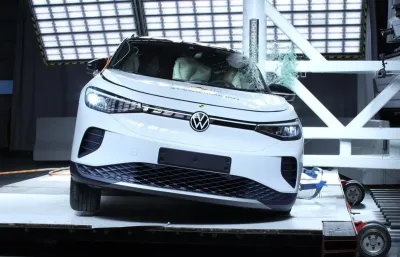
In order to increase battery safety in electric vehicles, changes have been made to Indian standards following incidents of battery fires in EVs. Within the Automotive Industry Standards, changes have been made to two key standards:
| Standard | Vehicle category |
| AIS-156 | L-category electric vehicles, including two-wheelers and three-wheelers |
| AIS-038 (Revision 2) | M and N-category electric vehicles, including passenger and goods vehicles |
These changes were made in 2022. Implementation in phases occurred in December 2022 and March 2023.
Key Battery Safety Requirements
Several requirements have been put in place within the standard relating to safety.
- Protection against over charging/discharge: Battery must be protected from being over charged/ discharged.
- Protection against over-current/short circuit: electrical systems must detect abnormal currents and apply appropriate protection.
- Protection against over-heating: appropriate battery temperature monitoring and protection is in place to prevent unsafe conditions.
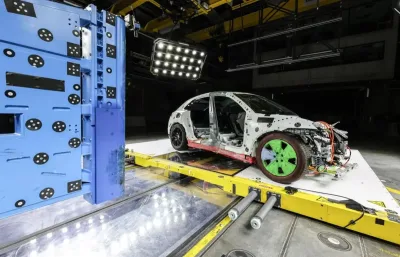
- Vibration and mechanical testing: battery systems are tested for resistance to mechanical forces and vibrations.
- Thermal propagation: If thermal runaway occurs in one cell, how the whole battery pack reacts is tested. This aims to prevent or eliminate dangerous conditions which could cause fire/explosion and put occupants and bystanders at risk.
In addition, relevant standards within the BIS have been recognised. For lithium ion cells in electric road vehicles, IS 16893 applies. For battery safety in transport, IS 18237 applies. Together, this creates a more structured approach for EV manufacturers and battery providers to follow.
EV Crash Safety and Bharat NCAP Ratings
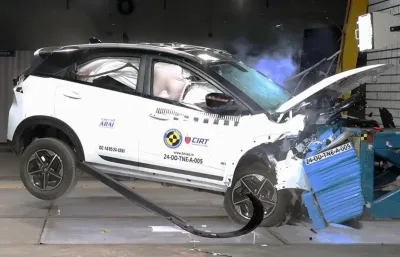
In addition to battery safety in EVs, occupant safety in various types of collisions must also be considered. In India, Bharat NCAP provides information to consumers on occupant safety in passenger cars in crashes. It is a voluntary testing scheme, monitored by MoRTH. Bharat NCAP considers safety in three areas:
- Adult Occupancy Protection (AOP): how well adults in vehicles are protected in a crash.
- Child Occupancy Protection (COP): child safety, including restraints, and safety in collisions.
- Safety assist technologies (SAT): technologies to reduce the risk of accidents, or reduce severity of accidents.
Key Crash Tests in Bharat NCAP
| Crash test | Testing speed | Purpose |
| Frontal offset impact | 64 km/h | Evaluates protection during a frontal collision |
| Side impact | 50 km/h | Checks occupant protection during a side collision |
| Pole side impact | 29 km/h | Evaluates protection when the vehicle hits a narrow object |
These tests can give information on how well vehicle structures, airbags, seatbelts and other safety technologies will perform in a collision.
Also check: MoRTH Proposes Mandatory AEB for All Cars by October 2032
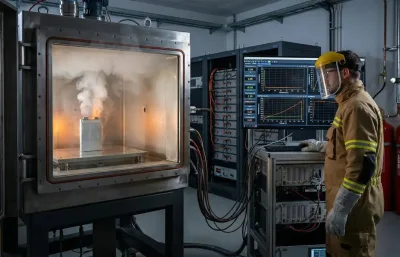
Why Crash Safety is Important in EVs?
Due to battery packs, EVs may have a different weight distribution compared to conventional vehicles. As battery packs are generally placed in the floor of vehicles, the centre of gravity may be reduced in the vehicle. However, battery packs must be protected in collisions. Manufacturers must consider strength of occupant compartments, mounting of battery packs, protection in under-body areas and electrical isolation of high voltage systems.
By carrying out a crash safety assessment, information can be gained on whether occupants would be sufficiently protected in a collision. Separate testing is conducted to consider specific risks in the battery, including electrical leakage, electrolyte leakage, fire and explosions due to mechanical damage. It is important to note that receiving a high rating in Bharat NCAP doesn’t necessarily mean that all fire risks in the battery have been avoided. Crash safety and battery safety in vehicles are two different aspects.
Charging Safety and Fire Prevention
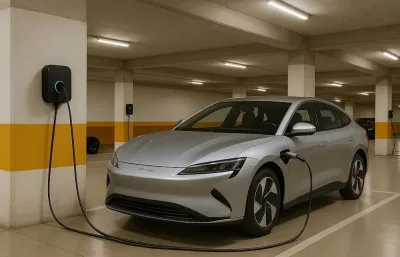
To reduce the risk of incidents in charging, it is important to have appropriate charging equipment, good electrical set up and regular checks.
Use Approved Charging Equipment
Always use the approved or recommended charging equipment for your vehicle. Avoid using damaged cables, loose connections, un-authorised adapters or poor quality charging equipment. When charging at home, electrical set up should be verified by a qualified electrician. The charging point should have appropriate protection, earthing and capacity in wiring.
Avoid Overloading Electrical Set Up
Charging your electric vehicle in a domestic socket or on a heavily loaded extension may create electrical risks. A dedicated charging circuit with appropriate protection is a safer option. Follow manufacturer guidelines for what charging equipment to use and how it should be installed.
Safe Charging
Some important precautions include:
- Any damage to charging cables and connections can be seen.
- Do not charge vehicles with exposed or damaged electrical connections.
- Keep charging equipment out of standing water.
- Avoid using loose sockets or improvised electrical connections.
- If unusual heating, burning smells or sparking are observed in the charging connections, cables or charging point, stop charging.
- If there is faulty charging equipment, get it checked by a professional. Do not attempt any electrical fixes.
Government Guidelines
The Central Electricity Authority has given guidelines on safety in EV charging systems.
Appropriate protection must be provided for electrical faults, residual current, earth continuity and appropriate fire prevention. In addition, charging equipment must meet requirements for electrical isolation and safe disconnection. These are important in both public and private charging.
Also check: Apartment EV Charging Guidelines | Private EV Chargers
What to Do If an Electric Vehicle Catches Fire?
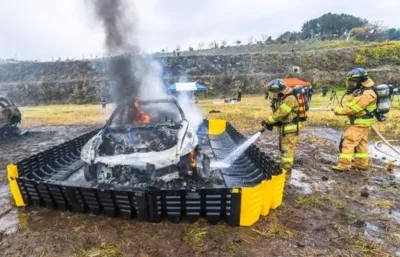
As EVs contain high voltage systems and lithium ion cells, care must be taken in case of fire. If a fire occurs, or there is indication of a serious issue within the battery, safety of occupants should be prioritised. The following should be considered:
- Drive to a safe place: If possible, drive the vehicle to a safe place away from traffic and turn the vehicle off.
- Exit the vehicle: All occupants should leave the vehicle and move to a safe distance.
- Call emergency services: Within India, call 112. Inform responders that there is an electric vehicle involved with a high voltage battery.
- Avoid touching damaged parts: Do not touch any exposed cables, battery parts or leaking material.
- Do not try to control battery fires: Appropriate procedures and trained personnel should be used to manage battery fires.
As battery fires may involve thermal runaway, they may reignite even if visible flames have stopped. Appropriate procedures should be followed by emergency services in this situation. If there has been significant damage to the underbody of the vehicle, or damage to the battery, unusual heating, or warning messages from high voltage batteries, EV owners should avoid driving or charging the vehicle. The vehicle should be checked by an authorised service centre.
EV Safety Maintenance and Best Practices for Owners
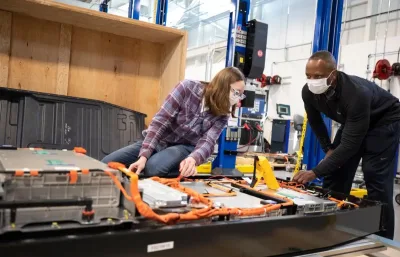
Even with advanced safety features, EV safety can be improved through good maintenance practices. To improve electrical and battery safety in vehicles, consider:
- Regular checks: Regular maintenance of batteries should be carried out according to manufacturer guidelines. If unusual warning messages occur, or the vehicle has been in an impact, have the battery pack checked.
- Avoid unauthorised changes: Do not change wiring in the battery, or replace cells or change the battery management system in un-approved garages.
- Use appropriate charging equipment: Only use appropriate charging equipment. Follow manufacturer guidelines for charging.
- Check underbody: If the vehicle has hit a large pothole or obstacle, have the battery casing checked.
- Update software: Updates may be added by manufacturers to improve battery monitoring, charging management and safety within the vehicle.
- Take warnings seriously: If unusual warnings occur in battery temperature, or if charging stops, or burning smells occur, take notice.
Following these best practice methods will help owners identify issues early and avoid unnecessary safety risks.
Also check: Electric Scooter Battery Fire | AIS-156 Tests & Safety Tips