Nitin Gadkari Proposes ₹3 Night-Time & ₹5 Day-Time EV Charging: Impact, Benefits and Challenges
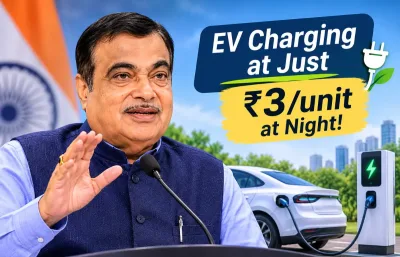
The cost of charging your electric vehicle (EV) may soon go down in Maharashtra. Union Minister for Road Transport and Highways, Nitin Gadkari has proposed that EV owners can charge their vehicles at a lower rate of ₹3 per unit overnight and ₹5 per unit during the day to help encourage solar power usage and make EVs more affordable. This would need official approval but here’s how it would affect you as an EV owner. In this detailed article, we’ve discussed how this proposal could change EV ownership, its possible benefits and disadvantages, and what it could mean for the future of electric mobility in India.
Nitin Gadkari Proposed EV Charging Rates in Maharashtra
Union Minister for Road Transport and Highways, Nitin Gadkari has suggested different electricity rates for daytime and night-time EV charging in Maharashtra. Speaking at KPMG ENRich 2026 on November 3, 2026, he said, "We can have Rs 5 per unit during the day and Rs 3 per unit at night." The proposal aims to encourage daytime solar power use while making night-time EV charging cheaper. Gadkari made the suggestion to Maharashtra Chief Minister Devendra Fadnavis. The proposed tariff would be:
- Day time: ₹5/unit
- Night time: ₹3/unit
However, this is still an official proposal and the final tariff, hours it will be charged and who will receive the discount will depend on decisions made by the Maharashtra government and electricity regulator. Previously, Gadkari had said that he would charge ₹5/unit during daytime and ₹8-10/unit after 6pm. This new suggestion states he would charge ₹3/unit during nighttime.
How Much Could EV Owners Save on Charging Costs?
The main attraction of this suggestion is that you could save money on running costs. Electricity is one of the main costs associated with using electric vehicles. If you had an electric car that could provide 5km per kWh then to drive 1,000km you would need 200 units of electricity. At ₹3 per unit during the night, this would cost you 600 Rupees. Whereas if you charged during the day it would cost 1,000 Rupees. The cost to charge would be:
| Driving distance | At ₹3/unit | At ₹5/unit |
| 100 km | ₹60 | ₹100 |
| 500 km | ₹300 | ₹500 |
| 1,000 km | ₹600 | ₹1,000 |
| 1,500 km | ₹900 | ₹1,500 |
| 2,000 km | ₹1,200 | ₹2,000 |
This is based on the car being able to provide 5km per kWh. It does not include any losses during charging or extra charges. For people who regularly drive this could make a big difference. For example, if you drive 1500KM every month, you would only pay 900 Rupees for electricity whereas if you were paying 5 Rupees you would pay 1500 Rupees. However, this depends on the efficiency of your vehicle, your driving conditions, what method you charge and how you are billed for your electricity.
Impact on Existing EV Owners and Prospective Buyers
If this suggestion was implemented in Maharashtra, current EV owners could save money on charging. If you charge your vehicle at home and have an eligible electricity connection, you could save money on your monthly running costs. It could also impact people considering purchasing an electric vehicle. Running costs are an important factor when deciding whether to purchase an electric car. Having cheaper electricity could give you more of an advantage. Especially if you drive more KM each month. Different people could benefit from this:
- Car Owners: You could save money on charging your vehicle at home.
- Scooter Owners: If you regularly use your electric two wheeler, you could save money on your charging bill if you have an eligible connection.
- Taxi Drivers: Lower electricity costs could improve your margins if you drive long distances in your electric taxi.
- Delivery Companies: Electric delivery scooters and vehicles could become cheaper to run.
However, people who have private parking and charge their vehicles at home may benefit more than people living in apartments.
Home Charging and Public Charging May See Different Benefits
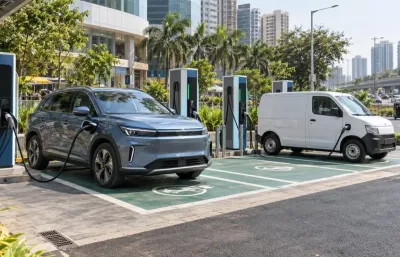
One key factor to consider will be if you charge your electric vehicle at home or public. Just because the electricity is cheaper doesn’t mean all charging stations will charge you the same price.
Charging at Home
If you have private parking and charge your vehicle at home, you could be one of the main beneficiaries of this suggestion. You could charge your vehicle at cheaper times of the day and save on your monthly electricity costs. However, the state would need to confirm if this applies to domestic connections. They may need to determine if it will apply to separate EV meters.
Public Charging
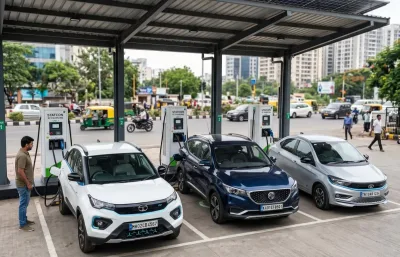
The situation could be different for people who depend on public charging infrastructure. Charging station operators purchase electricity from distribution companies and also have expenses related to equipment, installation, maintenance, land and operations. Therefore, even if the electricity procurement rate falls to ₹3 per unit, the final price paid by EV users may be higher.
Operators would need to pass on the savings for customers to benefit directly. The Ministry of Power already has separate provisions for domestic EV charging and public charging stations, including separate metering arrangements. The final implementation would need to clarify how the proposed rates fit into these existing arrangements.
Also check: Apartment EV Charging Guidelines | Private EV Chargers
Challenges and Disadvantages of the Proposed Tariff
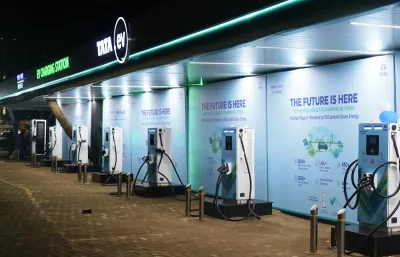
While it sounds like a good idea to have cheaper electricity, there could be several issues with implementing this across the state.
- Not Beneficial for Public Chargers
If you do not have a home charging point, you may not benefit as much. Public charging stations may still charge you extra service charges. - Inconvenient to Charge at Night
Having cheaper electricity at night may encourage people to charge after work. However, not everyone has a safe place to park and charge their vehicle. People living in apartments may also not be able to install a private charger. - Separate Metering
Electricity distribution companies may need appropriate metering and billing systems in place to know how much electricity is being used for EV charging. Without clear systems in place it may cause some issues. - Pressure on Distribution Companies
If they are providing electricity at much cheaper rates, they may have to deal with the difference in costs. How much this impacts them will depend on how the tariff is set up, approvals and any support given. - Charging Infrastructure
Just having cheaper electricity won’t solve all the issues for EV owners. They need reliable connections, enough charging points and regular maintenance. The operators need to be able to get their money back.
This shows how important it is to consider both EV users and charging infrastructure providers when creating the final policy.
Impact on Solar Energy and Electricity Usage
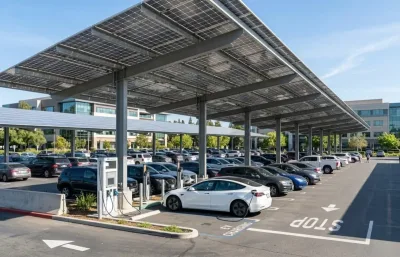
This suggestion is also important as it relates to electricity. Solar energy tends to be produced at higher levels during the day. By having cheaper electricity during the day, Maharashtra could encourage EV owners and charging stations to use solar energy. This could help make the most of renewable energy. Having cheaper electricity at night could also encourage users to use less electricity during the day.
However, if a high number of EV owners decide to charge during the same time at night, it could put extra pressure on the local electricity network. Smart meters, planned charging and programmable EV chargers could help with this. NITI Aayog have also spoken about time of use tariffs and smart charging. This could help manage the electricity usage of EVs and utilise renewable energy. How much this impacts will depend on how people charge, how much electricity is available and the capacity of the local distribution.
Could Other States Implement Similar Charging Rates?
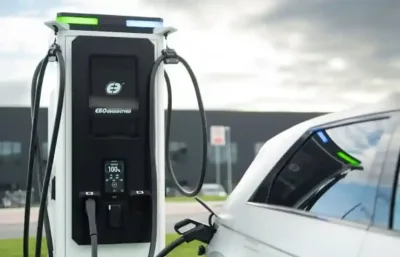
If this suggestion is successfully implemented in Maharashtra then other states may look to do the same to make EV ownership more affordable. However, electricity rates vary across the country. Each state will have different costs, renewable energy availability, infrastructure needs and regulations.
Maharashtra already has a policy in place for EVs (EV Policy 2025) that includes concessionary electricity rates for EV and battery swapping stations as per applicable MERC orders and future regulatory decisions. Other states with good solar energy production may look to implement cheaper electricity during the day. Depending on the electricity availability in each state, different rates may be considered. This does not mean that the 3 Rupee and 5 Rupee rates will be available across the country.
Future of EV Ownership With Time-Based Charging Tariffs
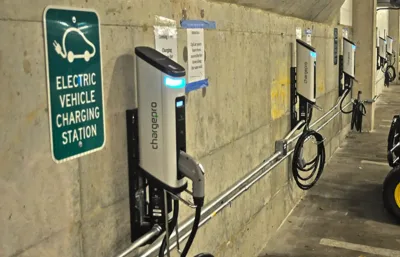
If this suggestion comes true it would be a big step forward to make EV ownership more affordable in Maharashtra. By having different rates depending on the time of day, it could encourage consumers to charge their vehicles when the electricity is cheaper or when renewable energy is more available. It could also open up opportunities for Smart home chargers, solar powered charging stations and improved energy management.
The main benefit for current EV owners would be cheaper monthly charging costs. For potential buyers, it could make electric vehicles more appealing due to lower running costs.
However, there are several factors that will impact how successful this suggestion is. Having access to home charging, public charging prices, electricity infrastructure and clear billing processes will be important. Currently, EV buyers should not assume these rates are available. The next important step will be an official decision from the government and electricity.