MoRTH Proposes Mandatory AEB for All Cars by October 2032 | Complete Guide
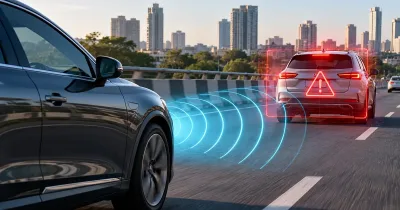
The Ministry of Road Transport and Highways (MoRTH) has just rolled out a draft proposal that could make Advanced Emergency Braking Systems (AEBS) mandatory for all passenger cars in India. Let’s break down what this means exactly for you, your next car, and the future of Indian roads.
The Big Headline: AEBS for Everyone
As per the latest draft notification to amend the Central Motor Vehicle Rules (1989), MoRTH is making AEBS standard for all M1 category vehicles. The M1 category includes standard everyday passenger cars that have the capacity to accommodate up to eight passengers (Plus the Driver).
Here is how the government is trying to implement it.
- October 1, 2030: AEBS will become mandatory for all new cars hitting the manufacturing line.
- October 1, 2032: The rule will be implemented to all models on sale, including the ones already in production today.
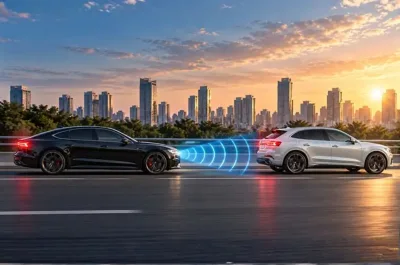
- October 1, 2028: If an automaker offers AEBS before it comes standard offering, the system must comply with the AIS-185 Automotive Industry Standard (Also Applicable to N1 category light goods vehicles under 3.5 tonnes).
This will happen in a phased rollout, which will give enough time to automakers and buyers in order to make it mainstream without causing a sudden price shock.
Steering and Lane-Keeping Tech
The futuristic updates are not just limited to emergency braking. The government is also working on how your car handles and stays in lane.
From October 1, 2027, steering controls on all motor vehicles (Except motorcycles, three wheelers, and invalid carriages) have to be complied as per AIS-193 standards. If a car comes with Automatic Command Steering Functionalities (ACSF) or an Emergency Lane Keeping System (ELKS), it will be a standard fitment too.
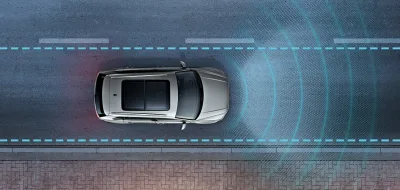
Commercial Vehicles: On the other hand, the new norms will be also applicable to taxis and commercial transport vehicles. From October 2029, ACSF, ELKS, and even driver-drowsiness and attention-warning systems will become mandatory for all M1 vehicles registered for transport.
This will be a game changer for drivers who spend hours driving behind the wheel, as these driver assistance features (ADAS) will help in reducing fatigue and preventing highway accidents.
Commercial Vehicles Get an Earlier Upgrade
While passenger vehicles will be getting these safety features a bit late, commercial vehicles will be getting these much sooner.
- New trucks and buses will need to be equipped with AEBS by January 2027.
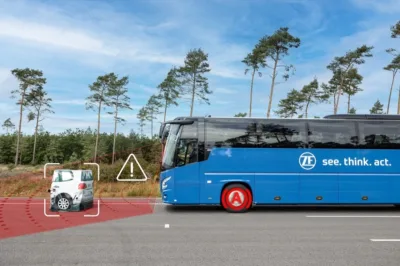
- Essential safety features such as blind-spot info, moving-off info, lane-departure warnings and drowsiness detection will also be standard.
- In order to prevent skidding on hilly roads, trucks will be equipped with a revised braking standard featuring Electronic Stability Control (ESC) by October 1, 2027.
MoRTH has also made Vehicle-to-Vehicle (V2V) communication mandatory by October 2028. This will allow cars to communicate and exchange real-time information about speed and road conditions.
Why is This Happening Now?
Indian roads are quite busy. This aggressive tech push aligns with the vision of Union Road Transport and Highways Minister Nitin Gadkari’s ambitious goal to stop road accidents and fatalities by 2030.
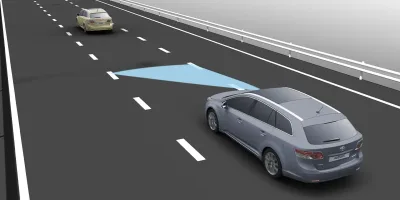
Thus the government is trying to shift the split-second decisions from driver’s judgement to automated safety systems, as they are working on reducing human error.
What’s Next?
Currently, it is a draft notification, and MoRTH is open for public suggestions for 30 days to gather suggestions and address objections. If the draft is approved, it will be a big step forward for road safety in India. By 2032, relying on human reflexes will become history, and automatic safety systems will take over.
Also check: Best EV for Taxi Use in India 2026 | Top Electric Cars for Drivers