EV vs Hybrid in India: Which Powertrain Should You Choose in 2026?
The 2026 year is all about adopting new innovations and advanced technologies, but the Indian consumer is having confusion as to whether to switch to fully-electric cars or embracing the hybrid middle ground, or just holding on with the conventional petrol cars.
At AllAboutEVs, we believe that the selection should be on the basis of logic rather than emotional sentiments. EVs are definitely the future and super silent and refined but hybrids at the same time are super flexible with ‘no charging tension’. Ultimately, the right choice depends on your lifestyle and preferences. We will also be doing a quick comparison between Electric vs hybrid car which is better in India.
EV vs Hybrid cars Comparison in India
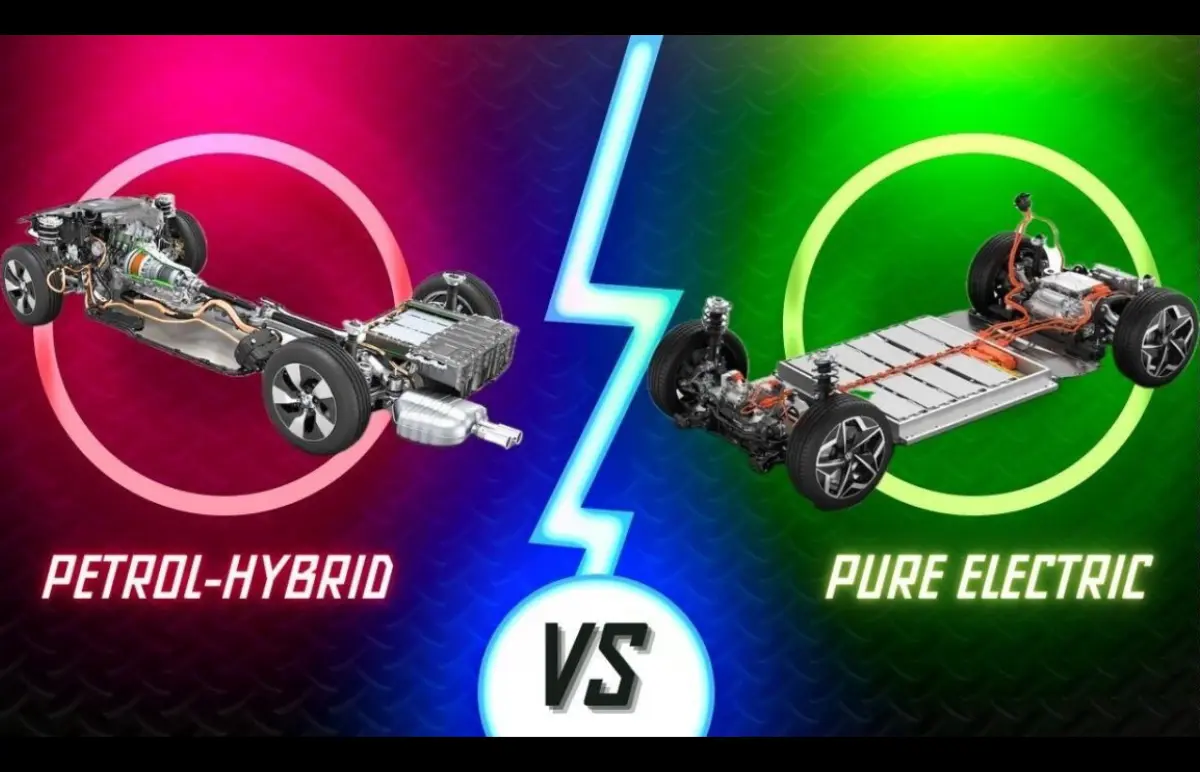
EV: When we talk about EVs, they work fundamentally like a smartphone, as you need to charge the battery as there is no additional engine powering the wheels.
.webp)
Hybrid: On the other hand, a strong hybrid is like a power bank as it uses both a petrol engine and an electric motor to generate power and it ‘self charges’ via braking and engine power, requiring no plug in for energy boosts.
Tax & Subsidy Reality
It's essential to note that don’t expect too much central subsidies specifically for private cars as EVs enjoy a low 5% GST under the PM E-Drive scheme (Implemented October 2024) as it is concentrated more towards public and commercial transport, which excludes private passenger cars and hybrids. Now the decisions rely more on sticker price, state benefits, and actual maintenance costs.
EV Vs Hybrid: Running Costs
However, if you drive your car a lot, the EV clearly wins the “Paise ka Game”.
.webp)
- Strong Hybrid: With a certified efficiency of 27.97 km/l, a hybrid is costing around Rs 3.39 per Km.
- EV: Depending on the electricity rates, an EV can roughly cost between Rs 1.33 and Rs 1.83 per km.
NOTE: However, if you are running more than 1,500 km, the EVs financial case becomes stronger as more running of EVs will cover up your costing u spend on your car’s cost.
EV Vs Hybrid: Convenience & Infrastructure
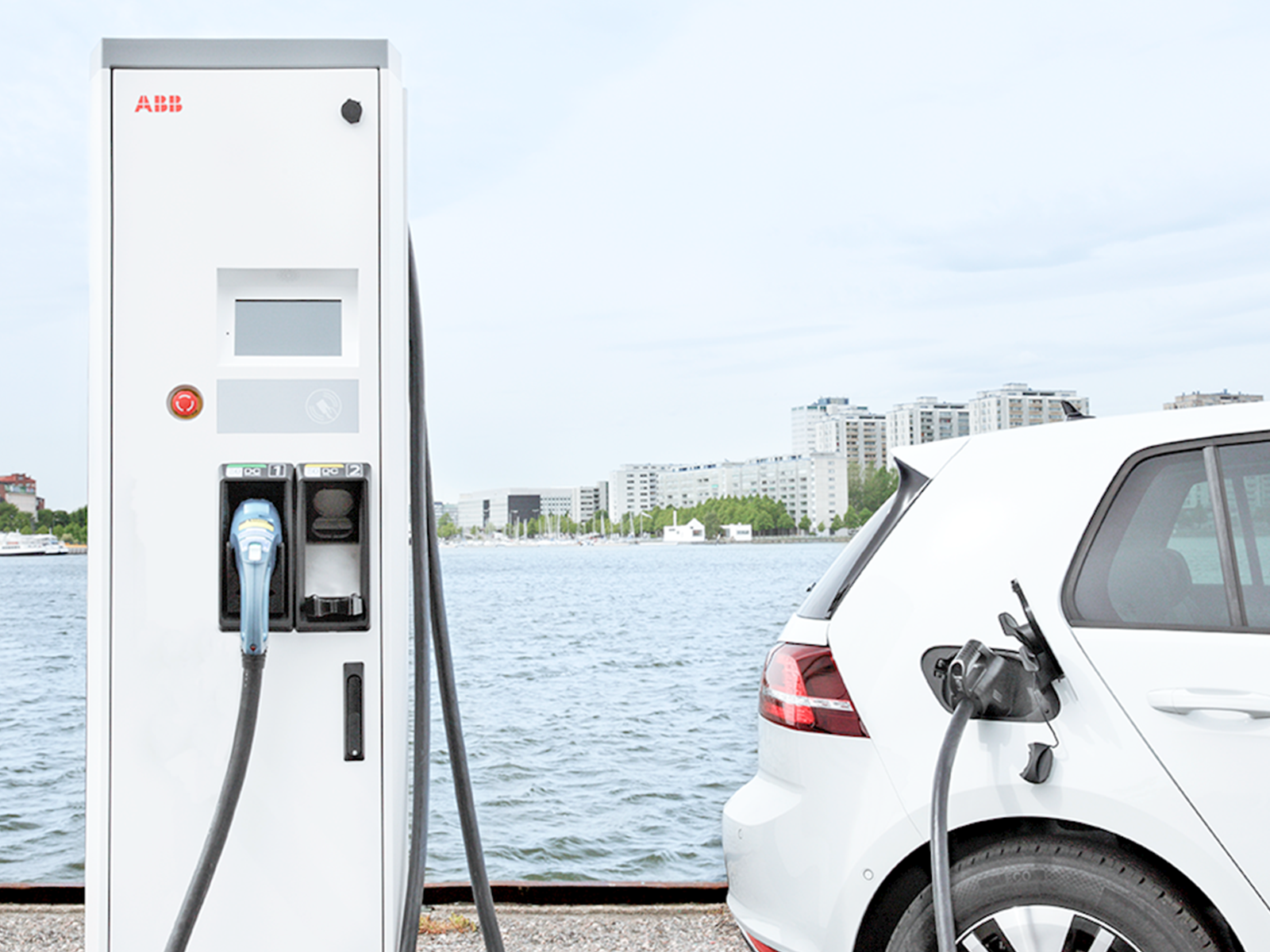
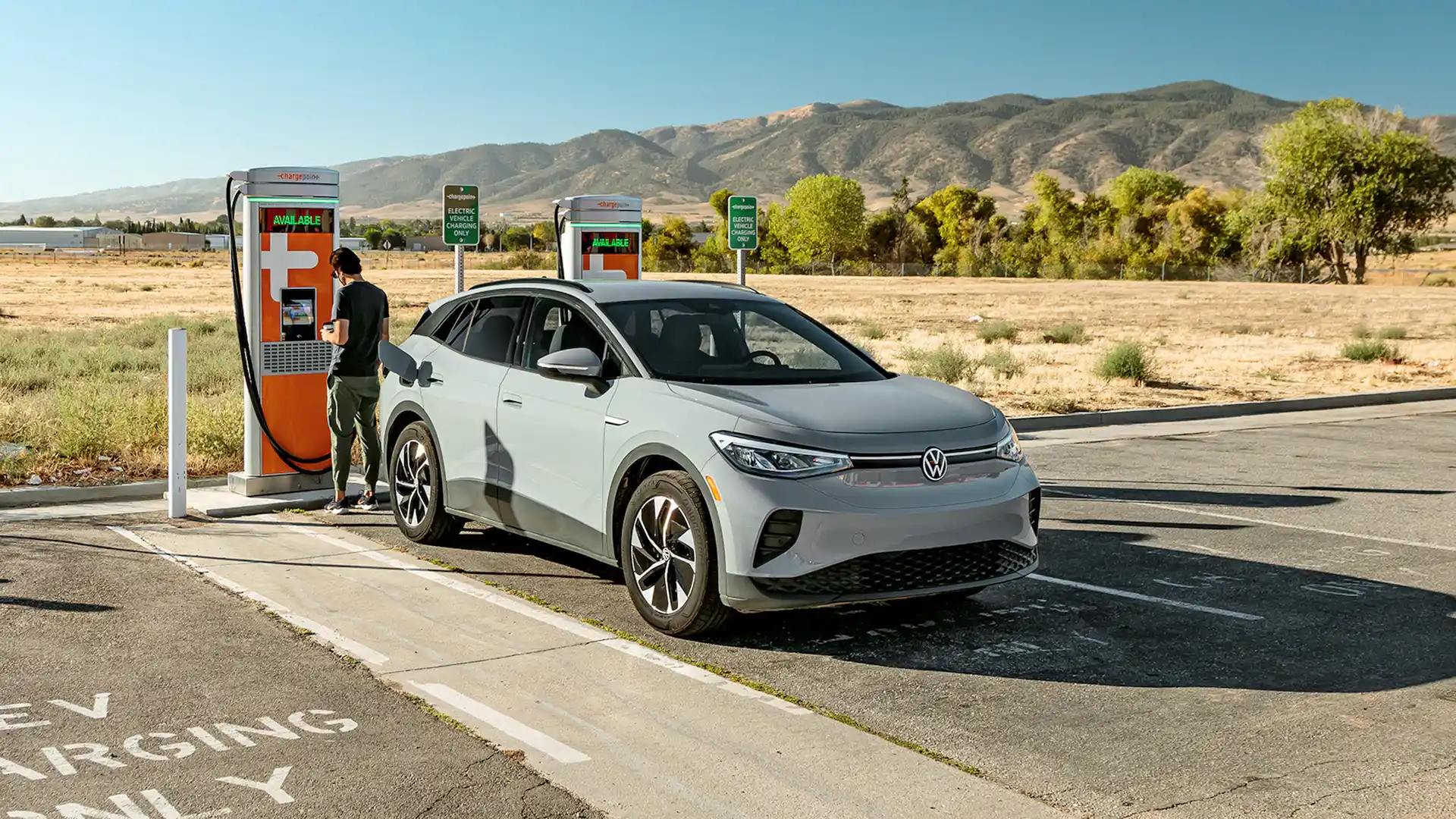
In this case, hybrids are super flexible as in a hybrid, you just have to fill petrol and get going. This is super easy for people living in an apartment without dedicated charging home setup. However, if you have additional facilities like fixed parking and a home charger, an EV becomes super reliant as you can skip petrol pumps entirely.
.webp)
While India’s charging infrastructure is developing at a rapid pace, the network is still incomplete, having no charger facility in many major highways and smaller cities.
EVs Battery Fear Factor
If we talk about the majority of EV companies in India, the market standards have seriously evolved over the years.
| EV Companies | Battery Warranty |
| Toyota | 8-Year Hybrid Battery Warranty |
| MG & Mahindra | Lifetime Battery Warranty for First Owners. |
| Tata | Lifetime Warranty (15 Years) for the Curvv.ev |
Final Verdict: Which One is for You?
Choose an EV if: If you have a proper home/office charging connectivity and you drive mostly in the cities and want the lowest running costs.
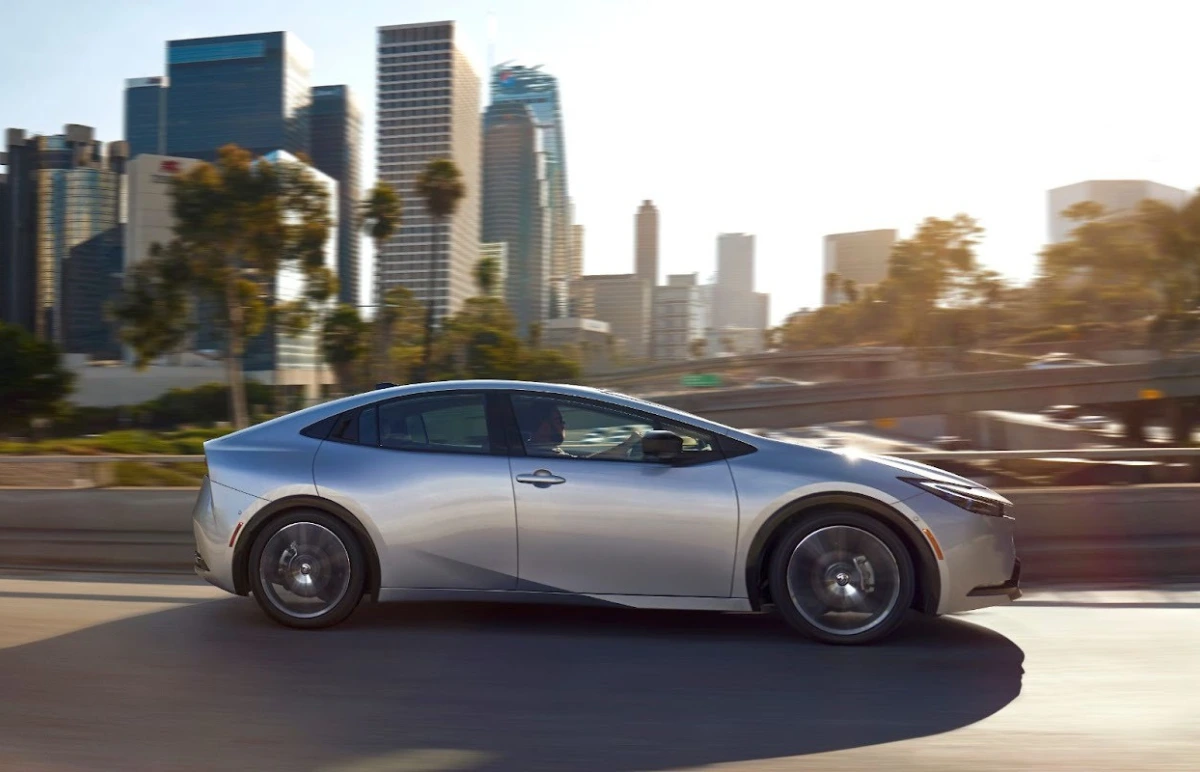
Choose an Hybrid if: If you do frequent long highway trips, and do not have a proper charging setup, and want ‘no nonsense’ complexities in your life and like simply refuelling petrol and hitting the highways.
The future is definitely electric, but for 2026, the hybrid emerges as a sensible powertrain for the majority of diverse users, but if you are planning a new car in the next two years, then you should definitely consider buying EVs as till then technology will be highly advanced and the country’s charging infrastructure will be further enhanced to meet the growing demand of EVs.
-1.webp)