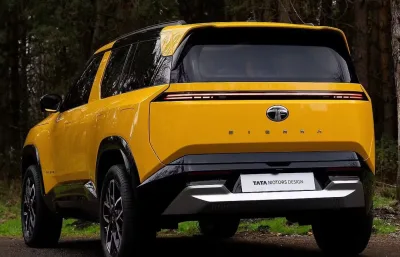
India's EV stock has dwindled to single digits as long waiting times approach due to rising fuel prices.
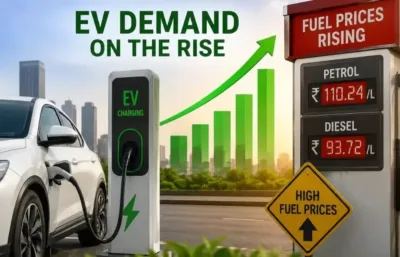
There is a sharp rise in demand for EVs witnessed in the country which has reduced the dealer inventories to single digit levels with popular models on the verge of waiting periods, as stated by the auto dealers. This changing trend has led to a rapid rise in the sales of EVs, and CNG vehicles due to recent increase in the price of petrol and diesel.
This significant trend will divide India's automotive market into two distinct inventory cycles, making the supply for EVs more limited with less inventory pipelines. The inventories for larger petrol and diesel is constantly rising up as buyers are changing their purchase decisions and are looking for lower running costs.
Risk of Waiting Period Emerges
The former FADA President and Automotive Skills Development Council (ASDC) chairman, Vinkesh Gulati expressed his views on this and said, “The EV inventory could soon transform into long waiting periods, if the demand rises even further.” He also added that supply chain and localisation challenges are the main reasons for a limited production capacity of EV cars.
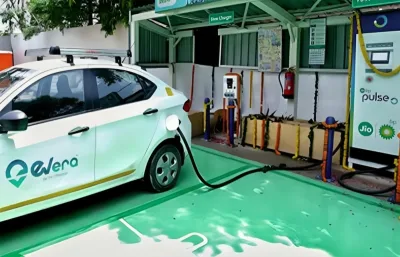
This increase in demand is also beginning to show at the OEM level as well. Gulati also warned that inventories of high-spec petrol vehicles and diesel vehicles could rise significantly if fuel prices remain elevated, while consumers are shifting towards lower running cost fuels such as EVs and CNG vehicles at a massive scale.
Fuel Mix Transition at a Rapid Scale
The change in fuel mix is already showcasing to reflect retail trends as well. According to Vahan Data, the passenger EV penetration showcased a massive jump to 6.63% in May from 4.51% a year earlier, while electric two-wheeler penetration climbed from 9.25% from 6.11%.
The passenger vehicle CNG penetration has also increased significantly to 23.34% from 19.93%, resulting in a bigger transition towards low-running cost mobility.