Delhi EV Policy 2026 — Petrol Bike Ban, ₹30,000 Subsidy, Full Breakdown
Just imagine a day when petrol sounding engines and loud sound of bikes completely disappear from the Indian streets. If you live in Delhi, then that day is coming soon as the Delhi government has just announced its new Draft EV Policy 2026 and looks like they will be transitioning to electric vehicles at a rapid scale.
Currently, Delhi stands as one of the most polluted cities in the world, with vehicular emissions standing at 23% of Delhi’s local PM2.5 pollution, which just spikes to an alarming 53% during peak winters. In FY 2025-26 alone, more than 8.5 lakh new vehicles are already registered, thus hard decisions are very important in order to save the environment. Below we have mentioned Delhi EV policy 2026 details.
The Big Ban: Deadlines You need to Know
The foundation of electric mobility has set its roots in Delhi as it accounts for a 14% EV penetration rate in 2025, which is the highest for any state in India. However, the addition of new draft policies have introduced strict deadlines in order to increase the transition to electric vehicles.
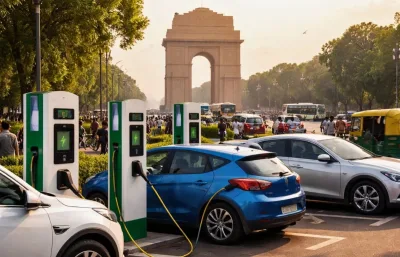
- By January 1, 2027 only electric-three wheelers will be allowed registration in the national capital. You cannot buy a new CNG auto-rikshaw after this date.
- From April 1, 2028 no new petrol two-wheelers will be registered in Delhi as you have to buy an EV if you want a two-wheeler.
- To set an example, 100% of government vehicles will be electric.
Main Policy Highlights
| Feature/ Category | Key Policy Mandate | Important Timeline & Details |
| Budget Allocation | Rs 3,954 crore Total Outlay: Rs 1,718 crore for Scrappage. | Displays Serious Financial Commitment. |
| Two-Wheelers | Ban on New Petrol Registrations: Subsidy up to Rs 30,000 | April 2028 Ban: Incentives drop every year. |
| Three-Wheelers | Only EV Registrations Allowed: Subsidy up to Rs 50,000 | January 2027 Ban |
| Road Tax Exemption | 100% Fee waiver for EVs costing under Rs 30 Lakh. | Valid until 2030 |
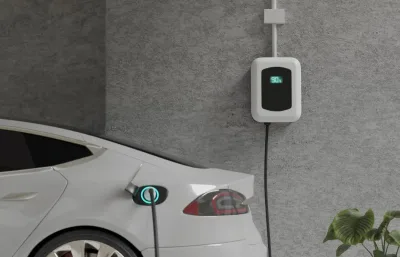
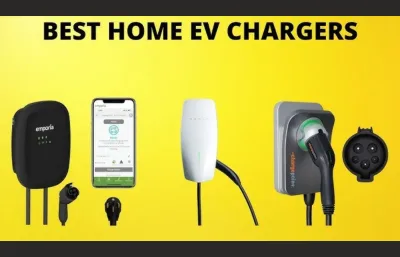
| Charging Infrastructure | Rs 1,000 Crore allocated, Important for OEMs to draft networks | New Buildings must be EV ready. |
| School Buses | Mandatory Electrification | 10% Electric by 2027, 30% by 2030. |
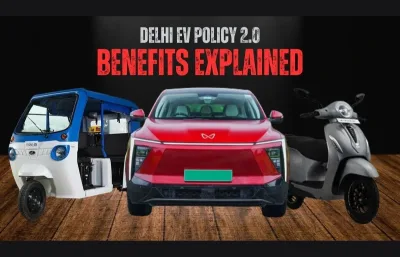
Complete Breakdown of Delhi EV Subsidies
If the 2028 deadline is making you worry, do not worry as the policy also includes a variety of investments to encourage early EV adoption. Below we have mentioned the subsidies which apply specifically for Delhi residents.
Two Wheelers: For EVs priced under Rs 2.25 lakh, you receive a significant Rs 10,000 per kWh for the first year. This signifies to about Rs 30,000 for a 3 kWh battery. The subsidy drops to Rs 20,000 in year two and Rs 10,000 in year three.
Three-Wheelers: Auto-Rikshaw buyers will get Rs 50,000 for the first year, followed by Rs 40,000 in year two and Rs 30,000 in year three.
Goods Vehicles: Electric trucks will be eligible for Rs 1 lakh initially, coming down to Rs 75,000 and 50,000.
New Civil Projects: It will be mandatory for new residential and commercial buildings to become EV-charging ready which will ensure new offices and apartments will have exclusive charging provisions.
Road Tax Exemption & Scrapping Benefits
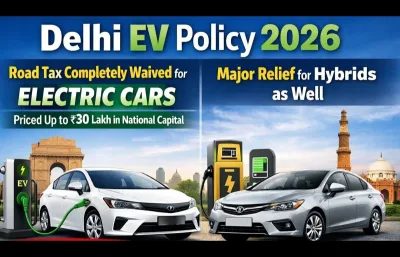
One of the most exciting news for Delhi people is that any EV priced under Rs 30 lakh will be eligible for a 100% exemption on road tax and registration fees until 2030. For strong and plug-in hybrid vehicles, under Rs 30 lakh will get 50% exemption from Road tax.
On the other hand, if you scrap your old petrol vehicle and buy an EV within six months, you can enjoy big benefits: Rs 10,000 for two-wheelers, Rs 25,000 for three-wheelers, Rs 1 lakh for cars, and Rs 50,000 for trucks.
Genuine Concerns
- We have analysed genuine concerns as well and first of them is affordability as Rs 30,000 subsidy looks attractive, but still it is quite less as general electric two-wheelers are still around Rs 80,000 to Rs 1.5 lakh. For a gig worker and delivery boy, it is quite costly.
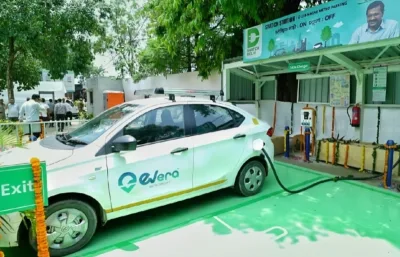
- The new draft policy is very strict towards the development of charging infrastructure across Delhi, which is good but if they have the vision of selling lakhs of EVs but the execution of chargers is still unclear as to how they will achieve it.
This is still a draft and is on a 30-day public feedback and there could be various changes that will be updated in the policy. Thus the subsidies could be revised and timelines can be shifted.
After analysing the whole policy a question came in our minds out of curiosity: Will manufacturers come with enough variety in 2028? Currently there are no options available in the Rs 60,000 to Rs 80,000 range. So manufacturers have to work on this as well.
Final Thoughts & Next Steps
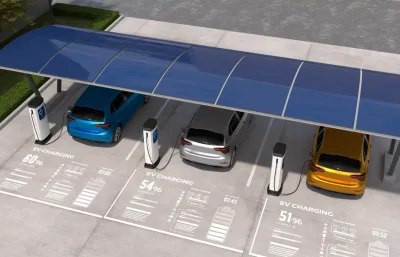
This is undoubtedly one of the most revolutionary yet the most well-structured EV policies. Out of a total budget of 3,954 crore, around Rs 1,000 crore is allocated for the development of charging infrastructure in order to eradicate range anxiety.
However, there are still some genuine concerns for gig workers and executing of charging networks needs to be worked out before the implementation takes place. Currently, it is in the drafting phase with a 30-day feedback period as changes could happen. So it is important to analyse the EV policy and make sure to submit your opinions to the Delhi government.