Are Electric Cars Safe in Monsoon 2026? EV Waterlogging, Flood & Battery Safety
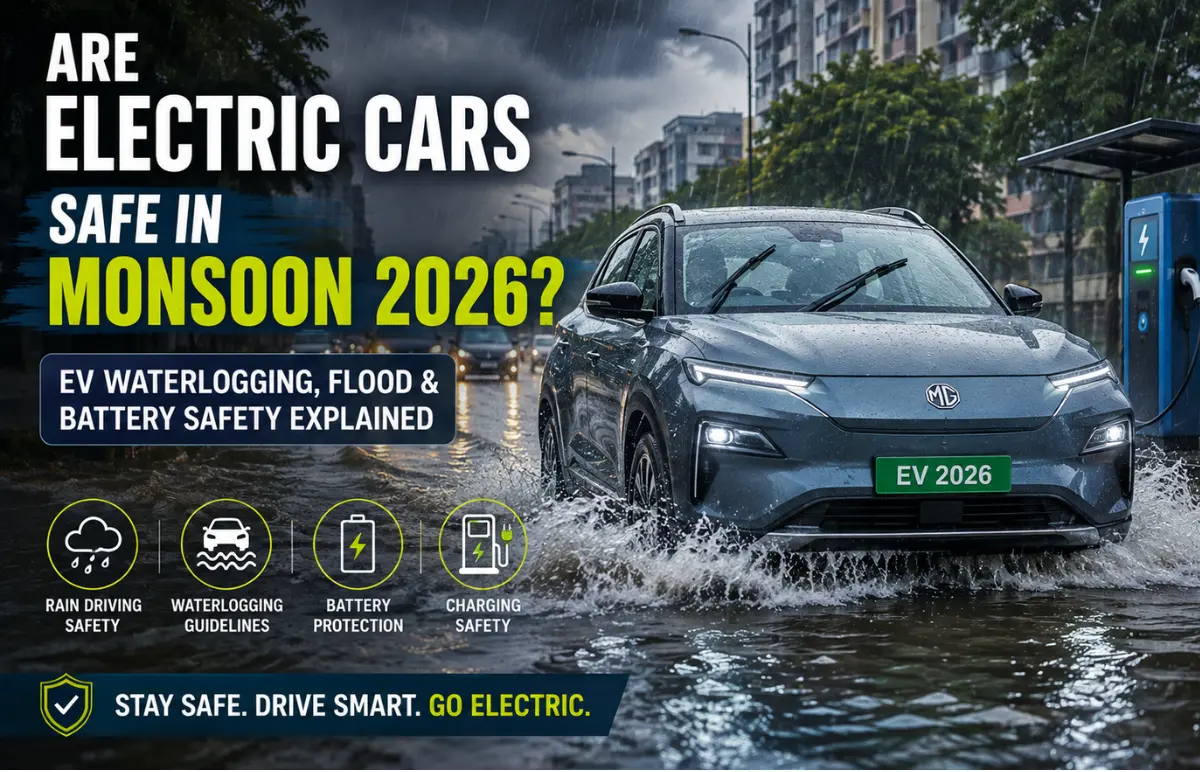
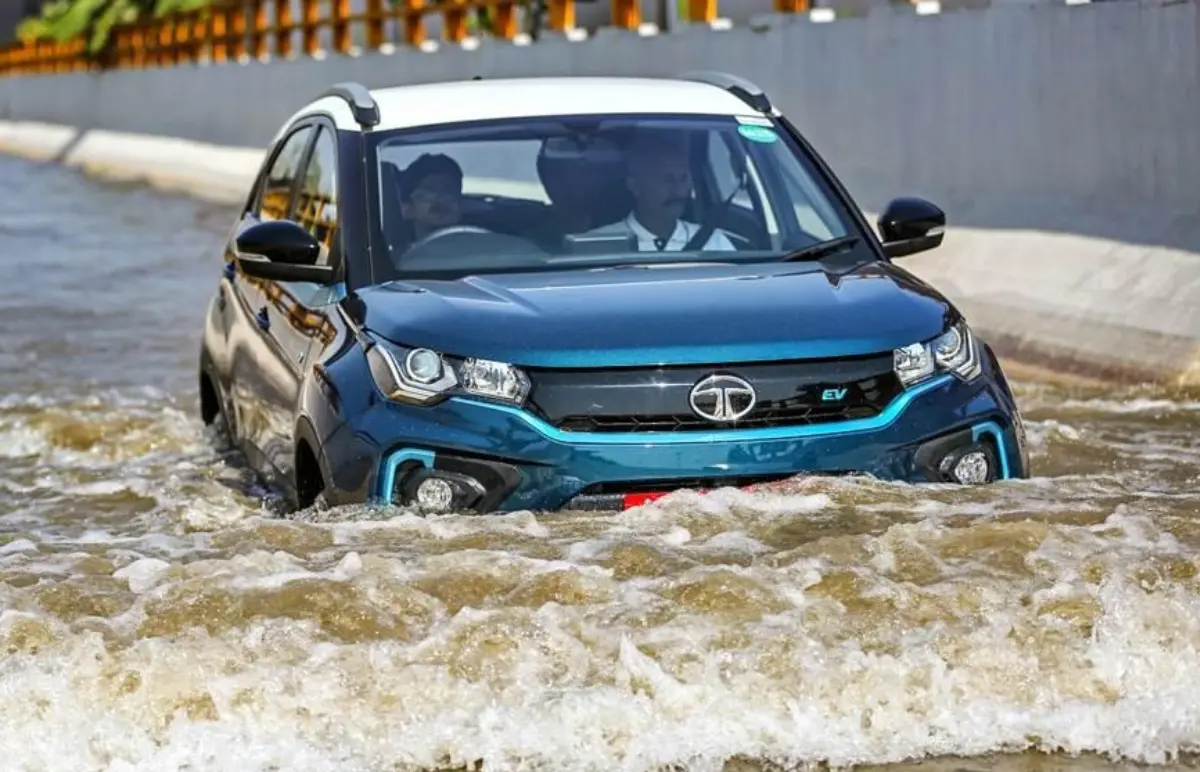
India's monsoon season is no joke for any kind of vehicle. From roads becoming water logged to overflowing drains, potholes, poor visibility and more, driving through the rain can be challenging. For electric vehicle owners, the monsoon raises an additional set of questions like, are electric cars safe to drive through rain and water logged roads? As a general rule of thumb, electric cars are safe to drive through the rain and wet roads with normal water logging, provided the car is not damaged in any way and driven within the manufacturer specified limits.
EVs have high voltage battery systems that are enclosed and protected. Government backed e-AMRIT guidelines even suggest that an undamaged electric car has water ingress protection, and that most electric vehicles have IP67 or higher certification for relevant components. With that said, an electric car is not indestructible and should not be driven through fast flowing water or deeper than advised by manufacturers. Considering this, we have drafted this detailed article explaining, Are electric cars safe in Monsoon 2026?
Can We Drive an Electric Car Through Water Logged Roads?
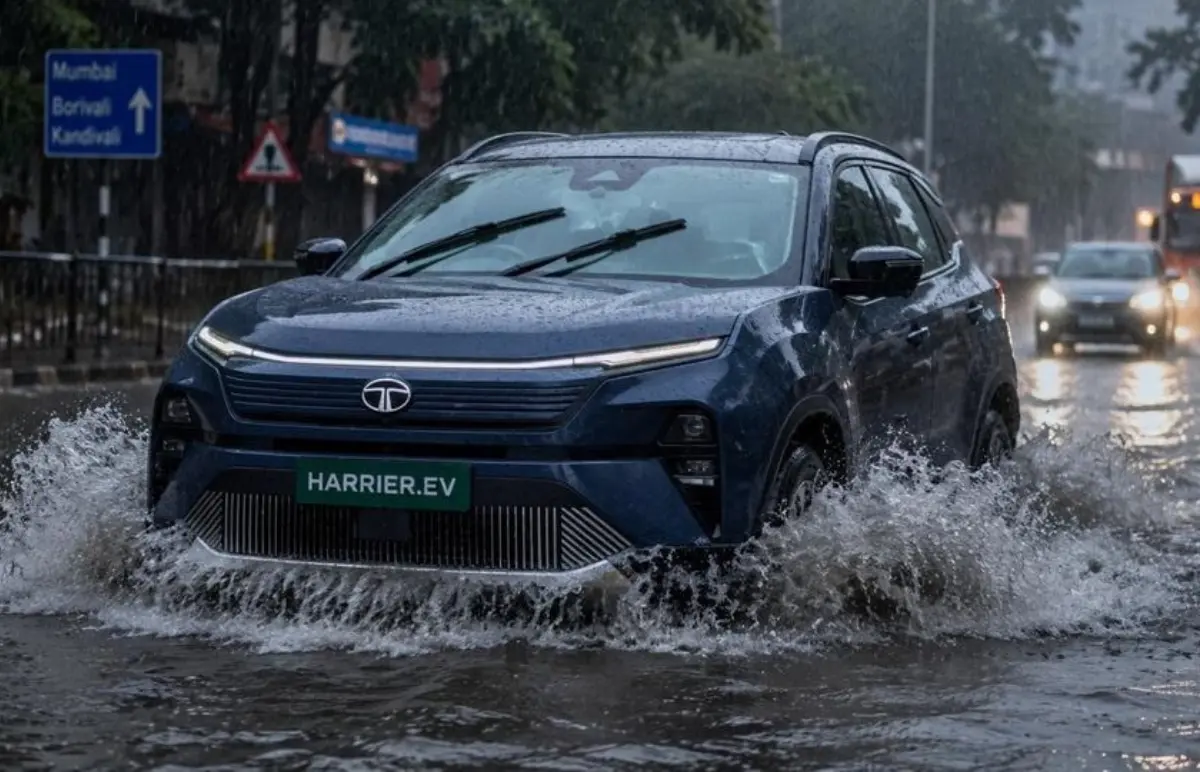
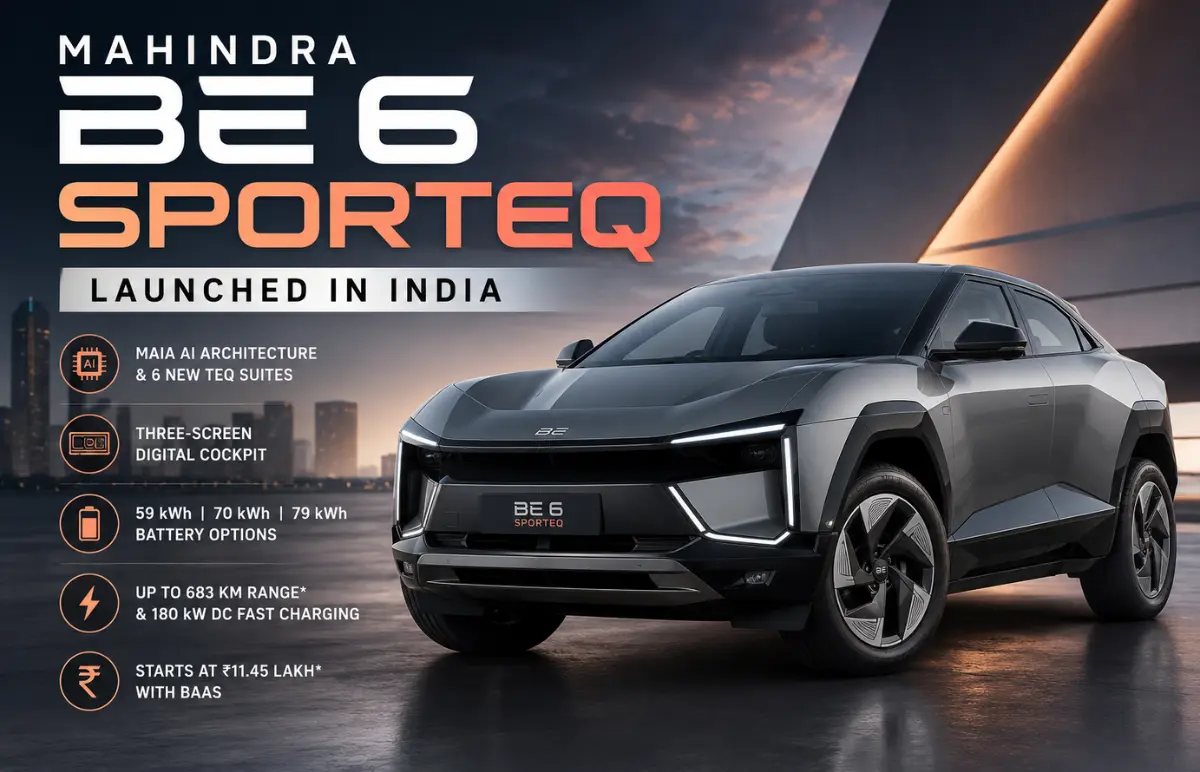
This is one of the most common questions electric vehicle owners in India ask during the monsoon. And the answer depends on a number of factors: car model, water depth, road condition, and more. Driving an electric vehicle through shallow standing water is generally safer than driving through a flooded road. However, there is no official "safe water depth" for any vehicle. Each automaker sets a specific depth for their vehicle models based on the build height and ground clearance. For reference, the Mahindra BE 6's owner manual is similarly conservative about waterlogged roads. It suggests slowing down on wet roads, and not driving through waterlogged roads if the car has already entered the water.
Per the owner manual, if the vehicle has been submerged in water, it should be inspected by an authorized service center before being driven again. A key point to note is that no two electric cars are the same. Just because one EV has a higher water resistance rating than another, does not mean that they can both withstand the same water depth. Always check the owner's manual for your car for specific details about waterlogged roads and monsoon driving.
What Happens to an EV Battery in Water?
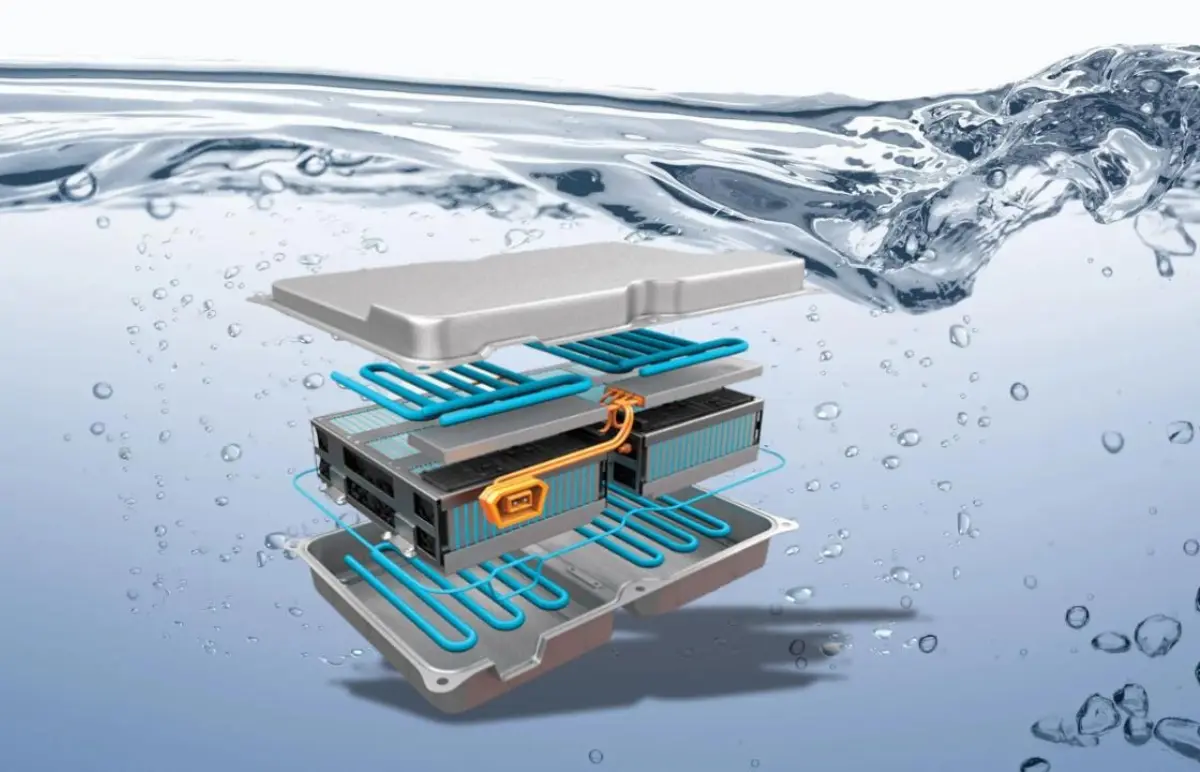
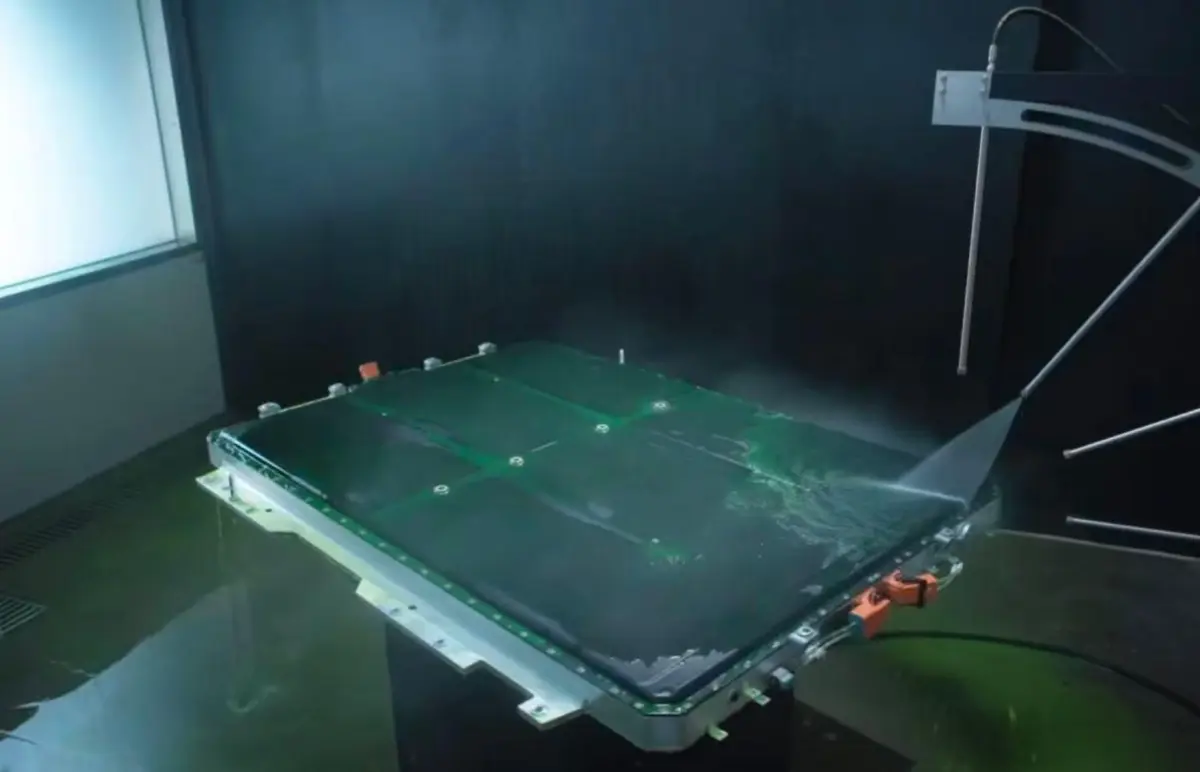
One of the biggest misconceptions about electric cars and water is that the moment an electric car touches water, the battery is damaged beyond repair. This is not true; a properly maintained and manufactured EV battery is not damaged by water exposure. According to e-AMRIT guidelines, an electric vehicle battery has built in protection against electrical shock and short circuit due to water ingress. Government backed guidelines for electric cars note that an undamaged battery will not allow electricity to conduct through the water.
The most important exception to this is if the vehicle has been submerged or severely damaged in any way. In that case, the car owner should always contact an authorized service center for inspection before driving the car again. For instance, Mahindra's BE6 manual specifically warns owners against driving through waterlogged roads if the car has been submerged in water. It also warns owners not to touch the high voltage orange cables if they are exposed.
What is the role of IP67 protection for an EV?
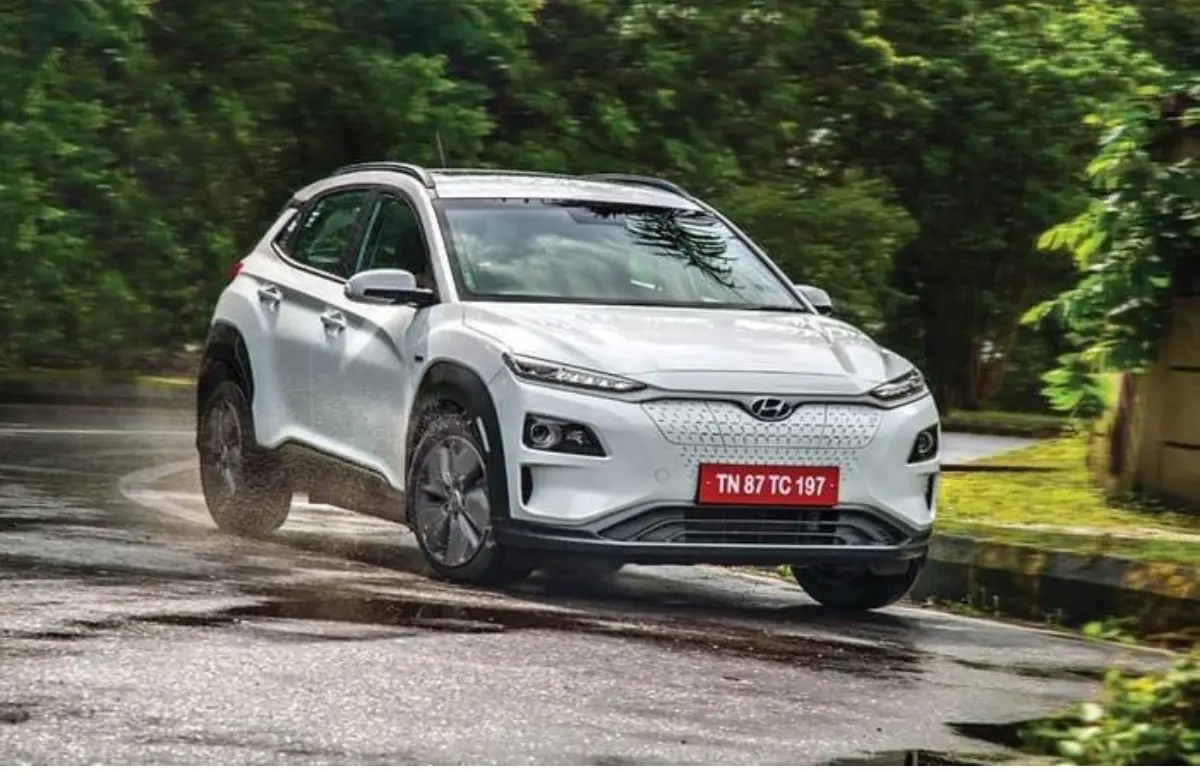
IP ratings are often brought up during discussions about electric cars and water resistance. An IP rating (Ingress Protection rating) is a standard that rates the degree of protection provided by a device's enclosure against intrusion of foreign objects, including water and dust. e-AMRIT monsoon guidelines note that most electric cars have an IP67 or higher rating for the relevant components. However, IP67 (and higher) certification should not be considered an endorsement for driving an electric car through flooded roads.
While an IP67 certified vehicle can withstand being submerged in 1 meter of water for 30 minutes, a flooded road is a much more complex environment than what you would find in a controlled lab test. On the road, a vehicle can encounter flowing water, manholes, puddles with varying depths, and more. In addition, the water on roads can include filth, muck, and other impurities that could interfere with an electric car's ability to drive safely. In short, an IP rating is a good baseline for water resistance but should not be the sole consideration when driving an electric car during the monsoon.
Monsoon EV Charging Safety Checklist
Before plugging in an electric car during the monsoon:
- Avoid charging with wet hands
- Avoid plugging in or removing the charging cable from a water logged area
- Make sure the connector is free of dirt and moisture
- Avoid using damaged charging equipment
- Make sure equipment and car are not exposed to water
- Stick to the manufacturer specific guidelines for EV charging
- Do not continue charging if there are signs of abnormality (unusual smell, smoke)
- Avoid charging during severe weather (lightning, strong winds)
Is It Safe to Charge an Electric Car During Rain?
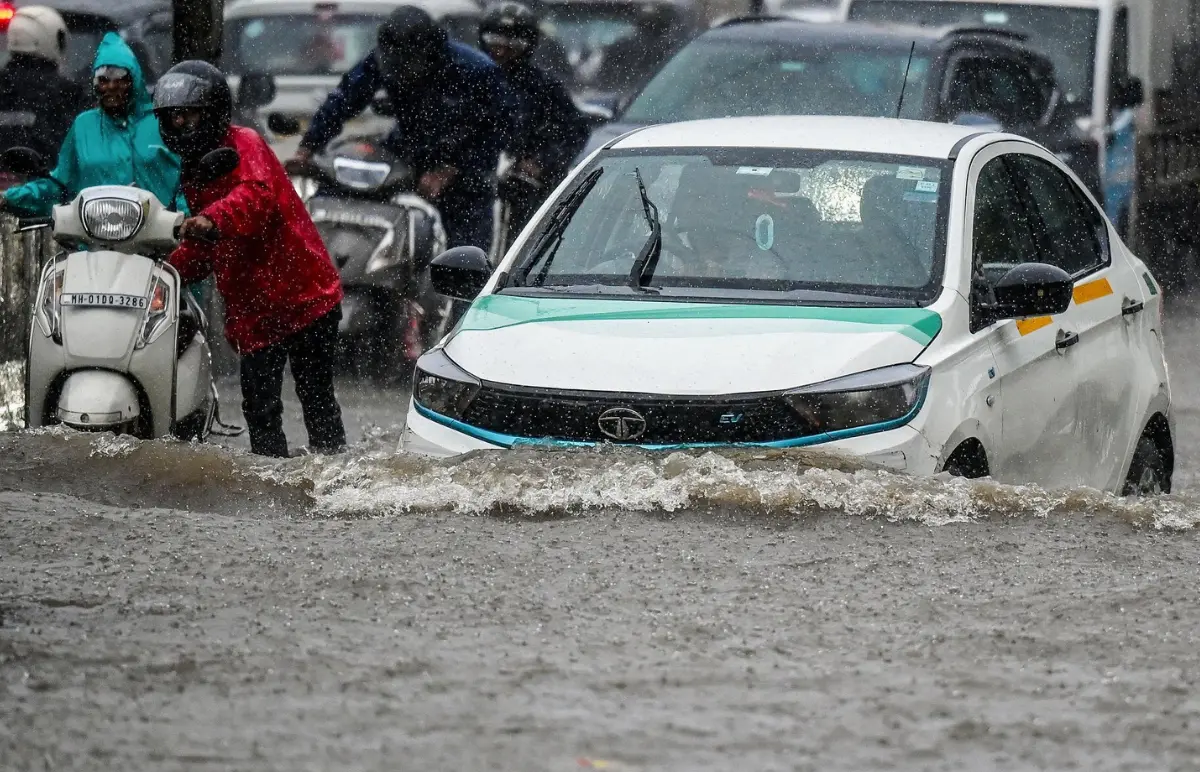
In general, yes. However, car owners should be careful and follow the guidelines set out by the car manufacturer. Both the charging equipment and the car itself should be protected from rain and water exposure during the charging process. For example, Hyundai's EV charging guidelines specifically warn owners against using wet hands or standing in water while connecting or disconnecting the charging cable. The charging equipment and connections should be kept free of water, dust, and other contaminants, while the guidelines also note that charging should be stopped if there are signs of abnormality, including smoke or unusual smells. During thunderstorms, both Volvo and Hyundai recommend avoiding charging electric cars if there is a risk of lightning strikes.
What Should You Do If an EV Gets Submerged?
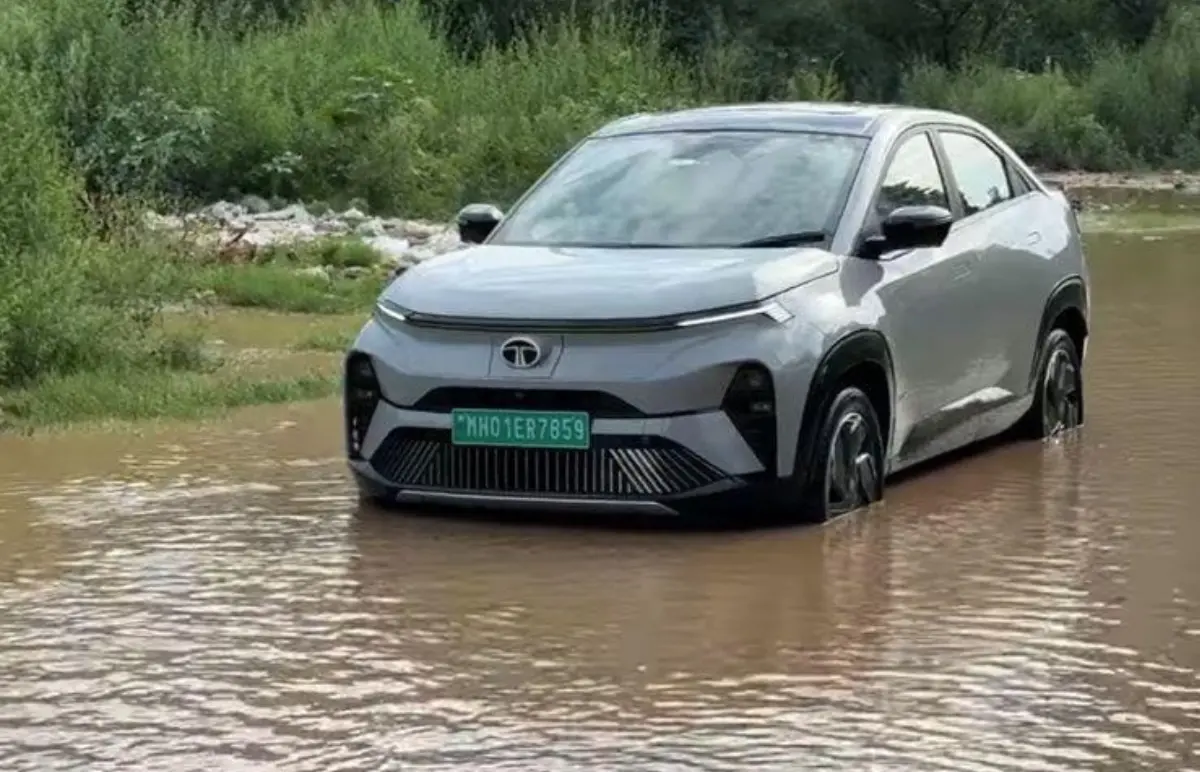
This is one situation where the owner should not attempt to DIY inspect the car. If the car has been sitting in waterlogged conditions or the car has stopped in deep water, the car owner should immediately switch to the car's safety mode once they are able to stop. If the vehicle is currently submerged or has been submerged, the owner should not try to restart the car to check if it is working. Avoid touching the high voltage components, and contact an authorized service center to get the car professionally inspected. Even if the car works normally after the water has receded, it should still be inspected by a professional since water can cause damage that is not immediately visible.
How to Drive an EV During the Monsoon?
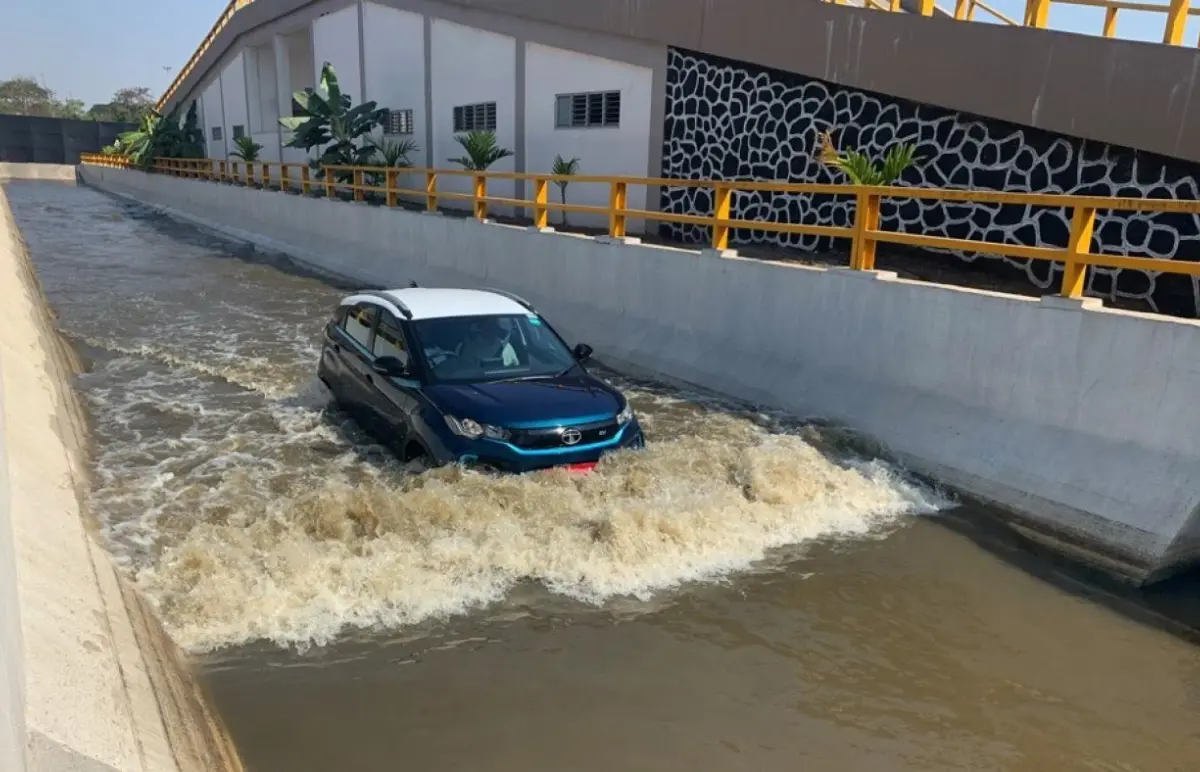
For most EV owners, driving on wet roads and shallow standing water is not especially challenging. However, owners should take extra precautions when it comes to driving on monsoon roads.
- Drive Slowly: Reducing speed on wet roads can help improve vehicle control, especially since monsoon roads tend to have reduced grip.
- Avoid using cruise control on wet roads: Cruise control reduces the driver's control over the vehicle.
- Check the condition of your tyres: Tyres are the only point of contact between the car and the road. Check the tyre pressure and condition before the monsoon begins, and reduce speed on wet roads if the tyres are not fully weather ready.
- Maintain good visibility: Drivers should use their headlights on wet roads, and ensure that the windscreen is clean. Replace wiper blades if they have become worn out or ineffective.
- Avoid harsh acceleration and sudden braking: Gentle acceleration and braking are often more effective, especially on wet roads.
- Avoid following buses and trucks: Heavy vehicles tend to create more splash and reduce visibility on wet roads.
- Avoid deep water unless you know the depth: If in doubt, walk around deep water. This is especially important if the water is flowing, since it can hide deep obstacles.
What Should You Inspect After Driving Through Water?
Even if everything seems fine while driving through water, it is always a good idea to inspect the car after you get out. Brakes are especially important, since they can be affected by water and mud.
- After driving through shallow water, drive slowly for a while and check that the brakes are working correctly
- Listen out for unusual noises
- Look out for warning lights on the dashboard
- Pay attention to whether the steering or brakes feel abnormal in any way
- If you notice anything unusual, contact an authorized service center to get the car inspected
- Never ignore dashboard warnings simply because the car seems to be working fine
Does Monsoon Affect the Range of an EV?
Monsoon driving tends to have a negative impact on the driving range of any vehicle, including electric cars. Reduced speed, the need to accelerate more carefully on wet roads, and increased use of lights and wipers can all affect the range. In addition, the range is also reduced due to the use of air conditioning, heating, and demisters to deal with the wet and humid weather. Increased traffic and reduced average speed during the monsoon also add up to reduce the driving range.
EV vs Petrol Car in Flooded Roads: Which is Better During Monsoon?
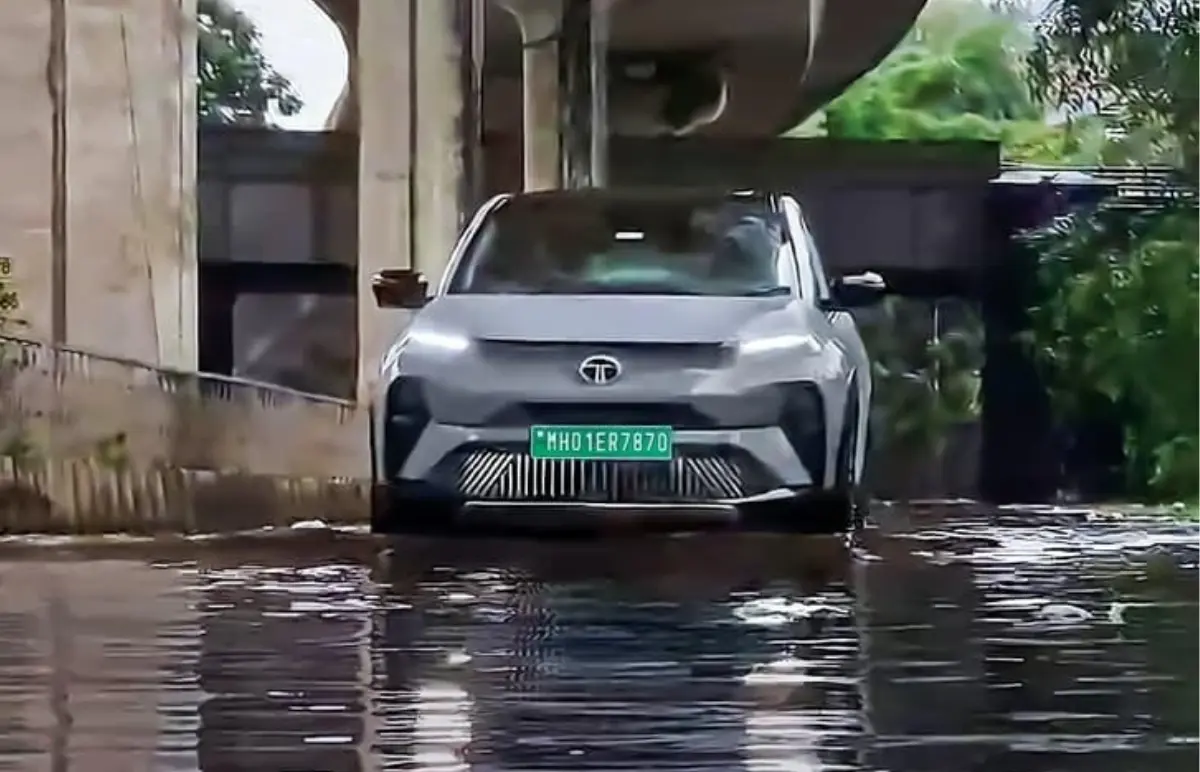
It is tempting to argue that an electric car is inherently safer than a petrol or diesel car during the monsoon, but this is not strictly true. An electric car does not have a conventional engine and air intake, which means that it has one less weak point compared to internal combustion vehicles. On the other hand, an EV has high voltage components that require specialized maintenance if the car has been submerged in water. The best way to evaluate the safety of any car during the monsoon is to look at vehicle design, water depth, speed of current, road condition, and vehicle condition. Water depth and current are more important factors than the type of engine.
Final Verdict
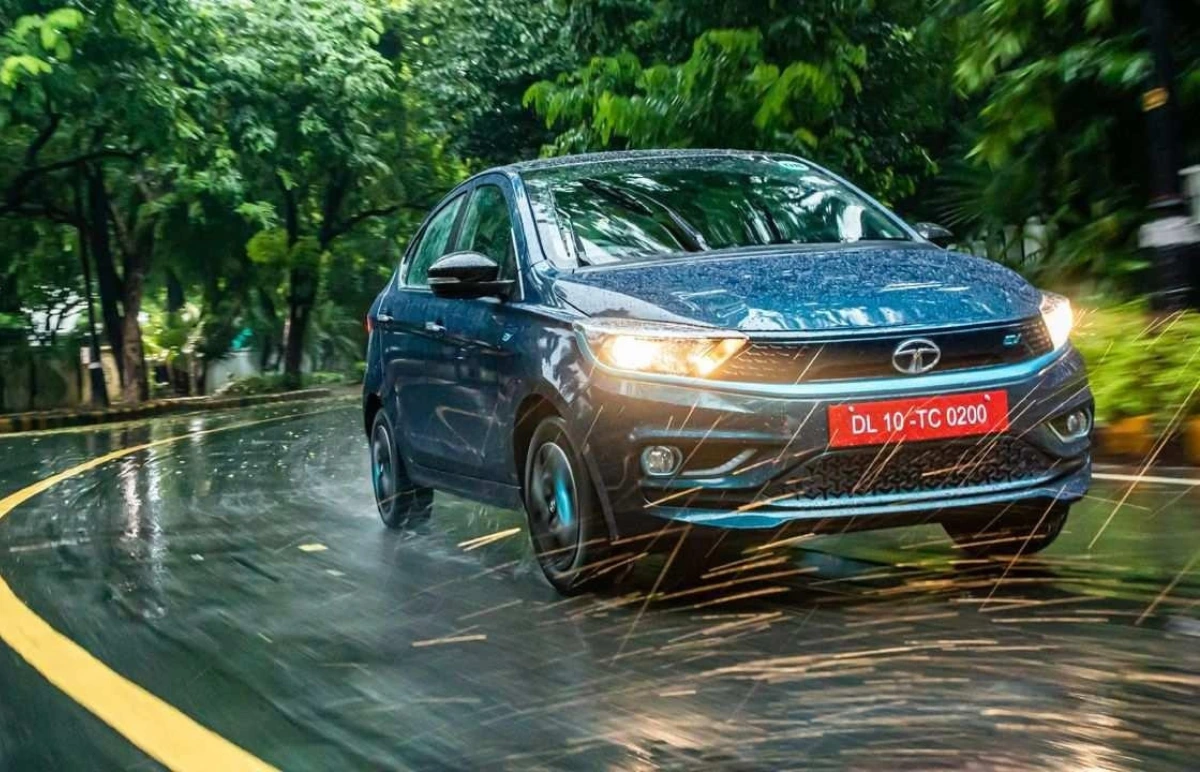
Electric cars are generally safe to use during the monsoon if they are undamaged and driven on reasonably dry roads. e-AMRIT guidelines confirm that most electric cars have appropriate level of water protection for normal monsoon conditions, and that an undamaged car can be driven through most waterlogged roads without risk of electric shock. However, an EV should not be driven through flowing water deeper than recommended by the manufacturers. Volvo and Mahindra manuals recommend avoiding flowing water and deep waterlogged roads to reduce the risk of damage to high voltage components. With that said, driving through shallow water and reasonably dry roads during the rainy season is perfectly safe.