Electric Vehicles in India 2027: Future Trends & Market Outlook
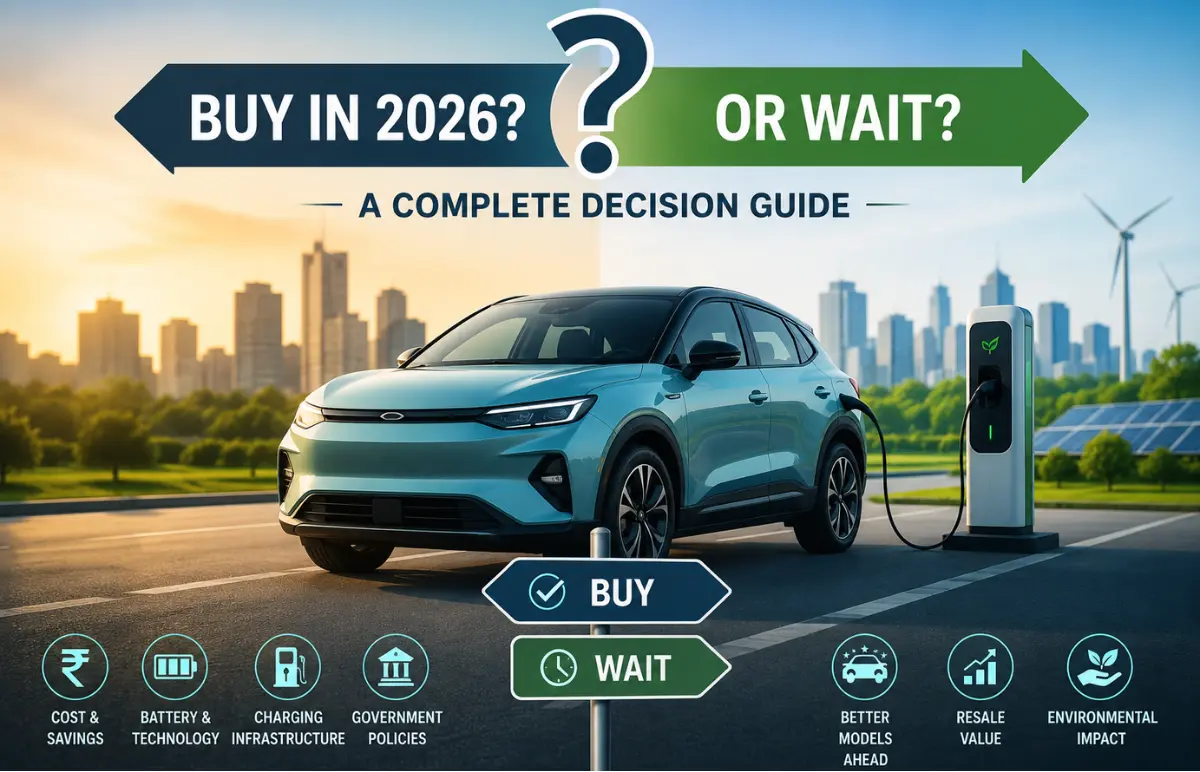
If you are looking to replace your traditional petrol and diesel car with an advanced EV, then there might be a question running through your imagination, whether it is ideal to buy an EV in 2025? Or you should wait for 2027 for more advanced technology.
Users might be also thinking that batteries will be cheaper and more accessible till then with a more developed charging infrastructure, and due to this petrol cars will become obsolete. Today we will be discussing the ground reality and future roadmap made which will be further dependent on various factors, so that your decision is made through logic, instead of emotions.
EV Pricing
Current Scenario: If we talk about current market dynamics, EVs are generally Rs 1.5-3 lakh more expensive than petrol cars, with battery costs making up 35-40% of the total vehicle.
.webp)
What will happen in 2027?
- Battery prices will witness a significant drop by 25-30%.
- There will be more focus on in-house local cell manufacturing.
- The price of entry-level EVs will come closer to petrol cars.
Due to the changing scale and localisation, battery costs in the next 10 years will fall to a steep 80%, which will indirectly result in local cell manufacturing, higher EV sales volume, and fewer imported battery components. Thus it will make EVs more reasonable and a value for money preposition in future.
Charging
Today there is more confusion on rapid charging as sometimes it takes just 25 minutes and sometimes it could go up to an hour. However, charging speed is not just dependent on the charger, but also depends heavily on the electrical architecture of an EV.
.webp)
- In India there are a majority of 400V EVs
- In 2026-27, manufacturers will start providing 800V platforms specifically for premium and mid-range on a later stage.
What will change in 2027?
- 20-80% charging will be done in just 15-20 minutes
- There will be additional backup chargers available as an alternative for Highway chargers.
- The charging process will become more accessible and predictable, thus ensuring a seamless charging experience.
It is very important to understand that a majority of people prefer fast chargers but an optimum EV ownership requires an efficient home charging system. On a Global stage, 80-85% of EV charging is done from home or workplace.
.webp)
India is also developing its EV infrastructure by global standards as it is mandatory to have EV-ready parking in new societies and apartments. Smart chargers now come equipped with load balancing and for society billing, there are exclusive metered solutions being developed.
Thus in 2027, the reality of India will be
- Home Charging = Default Charging Practice.
- Public Charging = Will serve as a backup.
Battery Technology
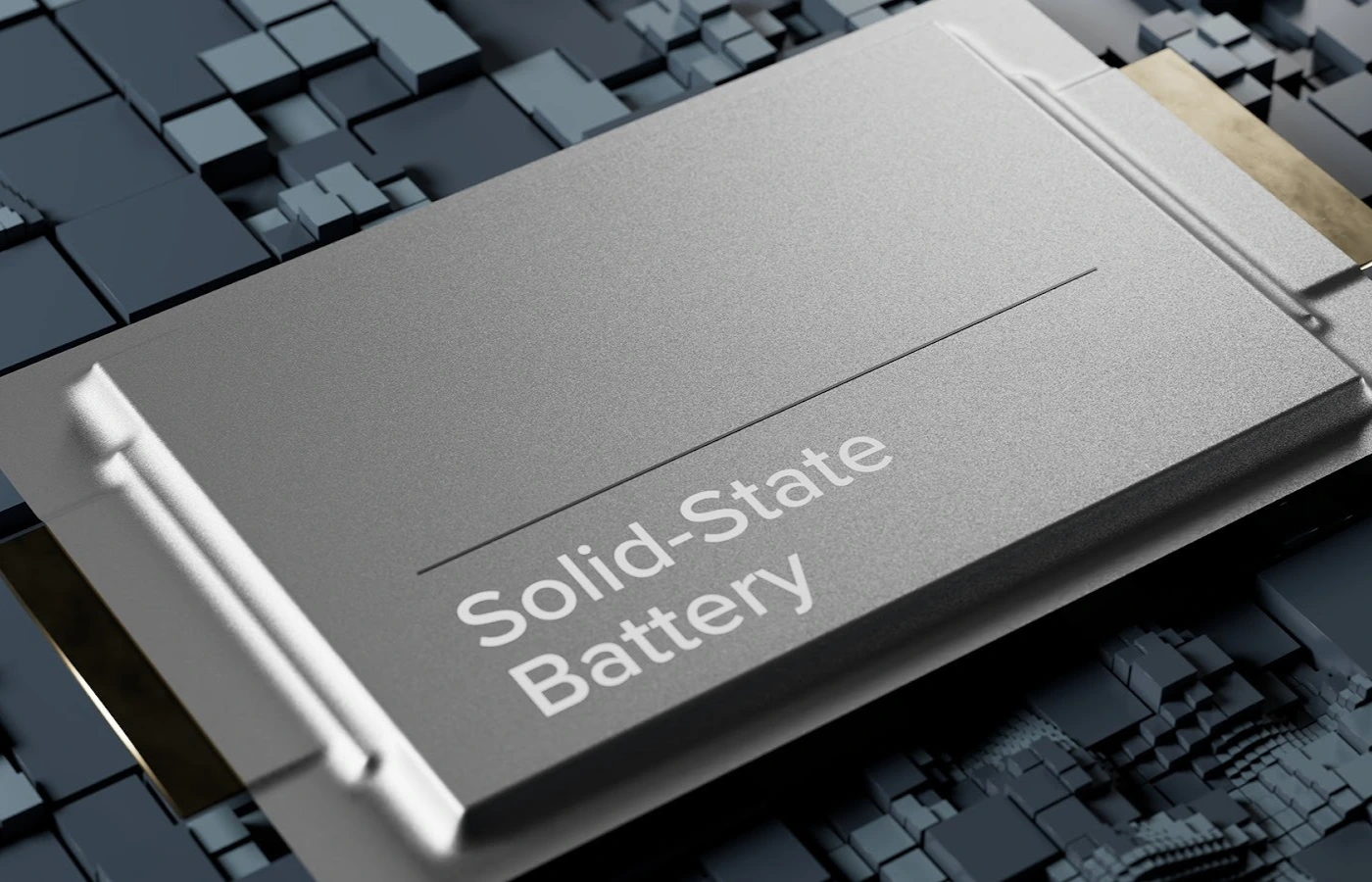
Solid-State Battery is a widespread name in the field of advanced battery technology, but let’s understand some basic facts.
- Solid-State Batteries are currently in pilot phase and undergoing various developments in order to become a mainstream application in EV cars.
- The mass production is expected to be in 2028.
.webp)
However, for Indian markets, the LFP batteries will continue to sell in huge numbers as they are safer, and properly adapt according to the Indian heat, and are much cheaper, which helps to keep the costs of EV in check.
What will change in 2027?
- There will be significant improvements in range.
- Upgradations in Battery Level.
- There will be no “magic jump” overnight.
Thus in 2027, EVs will be generally better offering more range and battery life, however, there is a big difference between claimed range and real range. This is because real range is generally 70-80% of the claimed range figures, thus the main issue is of expectations surrounding the claimed range.
Thus is 2027
- EV companies will mention separate range figures for city and highways.
- Software-calculated range will be termed as more accurate than mere prediction.
- Regen will be further modified to achieve maximum range.
EV Maintenance
The maintenance of EVs is already less as compared to conventional petrol cars, as in EVs there is no need of engine oil, Gearbox, clutch, and exhaust and has less moving parts than a traditional petrol or diesel car.
What will change in 2027?
- There will be addition of independent EV garages.
- Battery & Modular repair will be treated as a common repair and there will be availability of crucial battery parts.
- There will be negligible cases of full battery replacement.
Thus in future, EV maintenance will be treated as a normal process with full availability of components in order to provide a seamless experience.
Used EV Battery Life
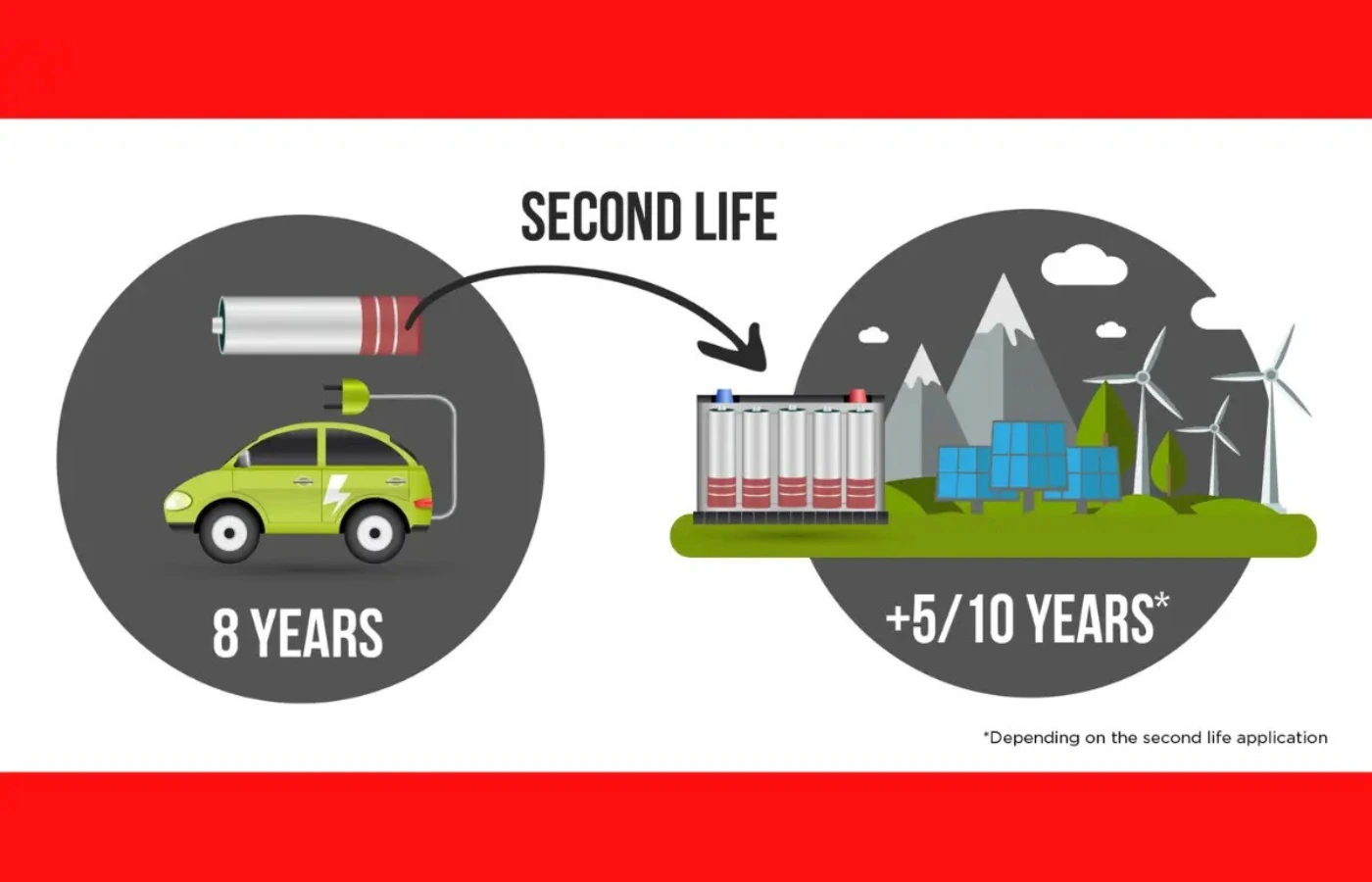
- Battery age is significantly lesser than battery health.
- A properly used EV battery can easily provide 8-10 years of lifespan.
What will change in 2027?
- There will be standardized battery health reports, which will ensure minimum defects in EVs battery over a long run.
- Organised used-EV platforms.
- EVs will be an ideal choice for urban buyers and will fulfill the maximum needs of the buyer.
Thus used EVs will become a perfect alternative for a budget petrol car.
Government Intervention
Today EV policies are no doubt confusing but long term EV-adoption is not only dependent entirely on subsidies.
Thus in 2027,
.webp)
Government focus will be more towards
- Charging Infrastructure
- Manufacturing
- Fleet Electrification
Thus EVs will become favorable not due to the available subsidies, but they will become significantly cheaper.
Petrol & Diesel Cars Future
So now the final question arises that
Should you wait till 2027?
- If daily running is more than 50 Km.
- Home charging is not possible in your living environment.
- Fuel costs are burning your wallet at a large scale.
.webp)
But waiting for 2027 can be a potential loss for you?
- There is no availability of charging access.
- Your use-case is not clear as to why you are opting EVs over ICE cars.
- If you are resistant to taking risks.
Thus waiting for a perfect EV can cause paying unnecessary petrol bills. EV future is definitely optimistic, but blind trust can be dangerous, so it is better to keep a check on your priorities and then make a decision of whether to go with current EVs or waiting for advanced upcoming EVs in future.