Future Tech in EV Industry: 5 Game-Changing Innovations by 2026
The technological advancements are on a rapid rise, just imagine, that your car is advanced enough to automatically decide exactly when it needs to charge its batteries or the highway you are driving is continually powering your car’s batteries to keep it optimum. Just visualise a scenario where your electric car’s battery has become a power source to an entire neighborhood.
All these imaginations feel inspired from a Hollywood movie, but soon it will be a reality as all these upcoming technologies will be mainstream in 2026. Our AllAboutEVs team have extensively researched five revolutionary technologies that will be reshaping the EV industry and some of these are already operational in some developed countries.
However, this future technology in electric vehicles 2026 could be fully implemented by 2027. Whether you are in the market for the search of a new EV or an EV owner excited to witness the new advancements in future, these upcoming technologies are important for everybody to be aware of. Let’s understand future EV technology in India.
Google Maps AI-Powered EV Trip Planning: End of Range Anxiety
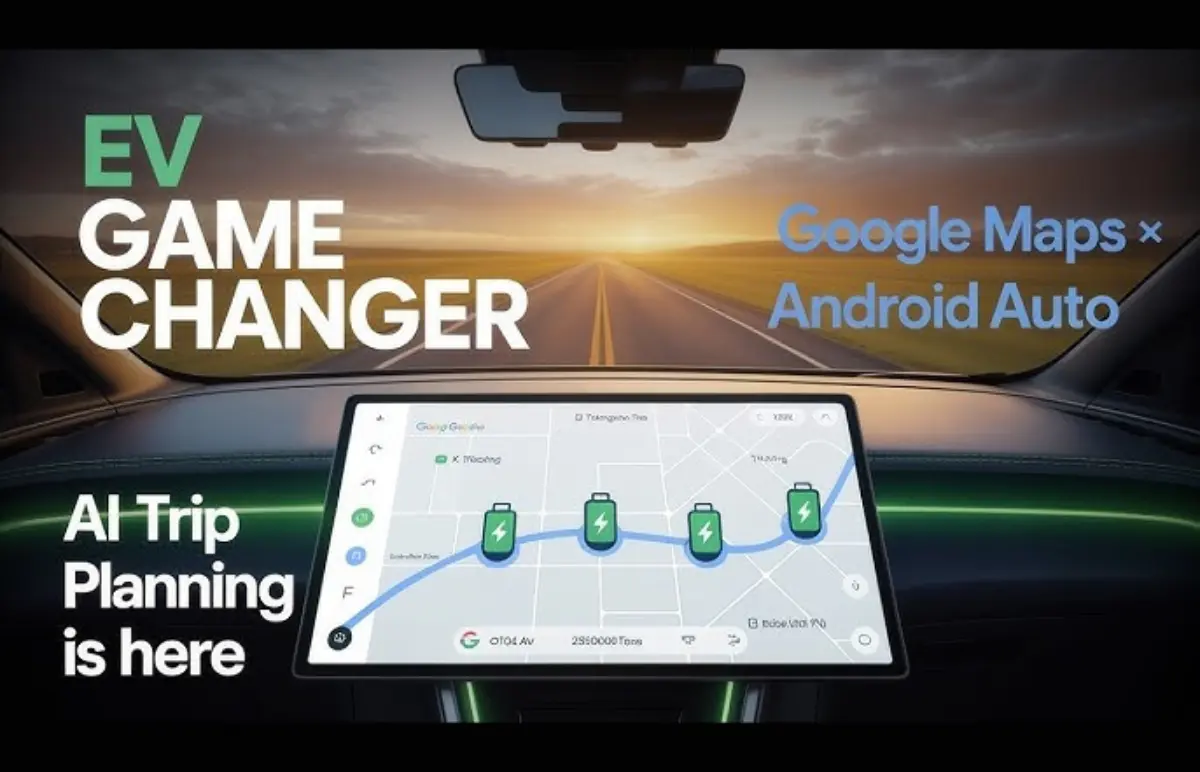
Google has officially announced an all-new AI-powered EV charging and trip planning feature which is currently operational in more than 350 different EV cars through Android Auto. So how does it make the daily commute via EV seamless or your big weekend trips a breeze.
Google has intelligently engineered the mechanics of this AI system as you just have to add your specific EV model into Google Maps, enter your destination and let the software do all the managing. The app will automatically tell you the optimum time to stop and charge your EV based on your specific EV car’s battery performance and its current battery life.
- It proactively suggests the most efficient recommended charging stations along your route.
- It predicts your estimated battery’s State-of-Charge (SOC) before even arriving at your destination.
- It provides highly accurate ETA by adding the exact charging time you will spend charging your EV.
Google has mastered this by applying artificial intelligence with advanced energy models that understand your car’s specific weight, battery capacity, and overall efficiency your car can generate. Apart from this, the AI also calculates real-time traffic conditions, road elevation changes, and weather conditions.
For example, while driving in the mountains, Maps will smartly calculate how much your battery drains faster than usual discharge.
.webp)
How to set up?
- Open Google Maps, select your profile icon, and navigate to the settings, then select “Your Vehicles”and choose “Electric” as your engine type.
- Enter your car’s make and model, year, and particular variant you have opted and then hit save.
This feature has been recently launched in the US and is spread across 15 EV brands. With this AI-enabled software Google is aiming to position itself as a universal EV trip planner. Indian drivers can expect this feature by year end.
Currently, the EV owners have to switch between three different apps: one for navigation, one to locate chargers, and another to calculate range. But now, this entire process is combined into a single place.
Solid-State Batteries: Increasing the Range & Speed
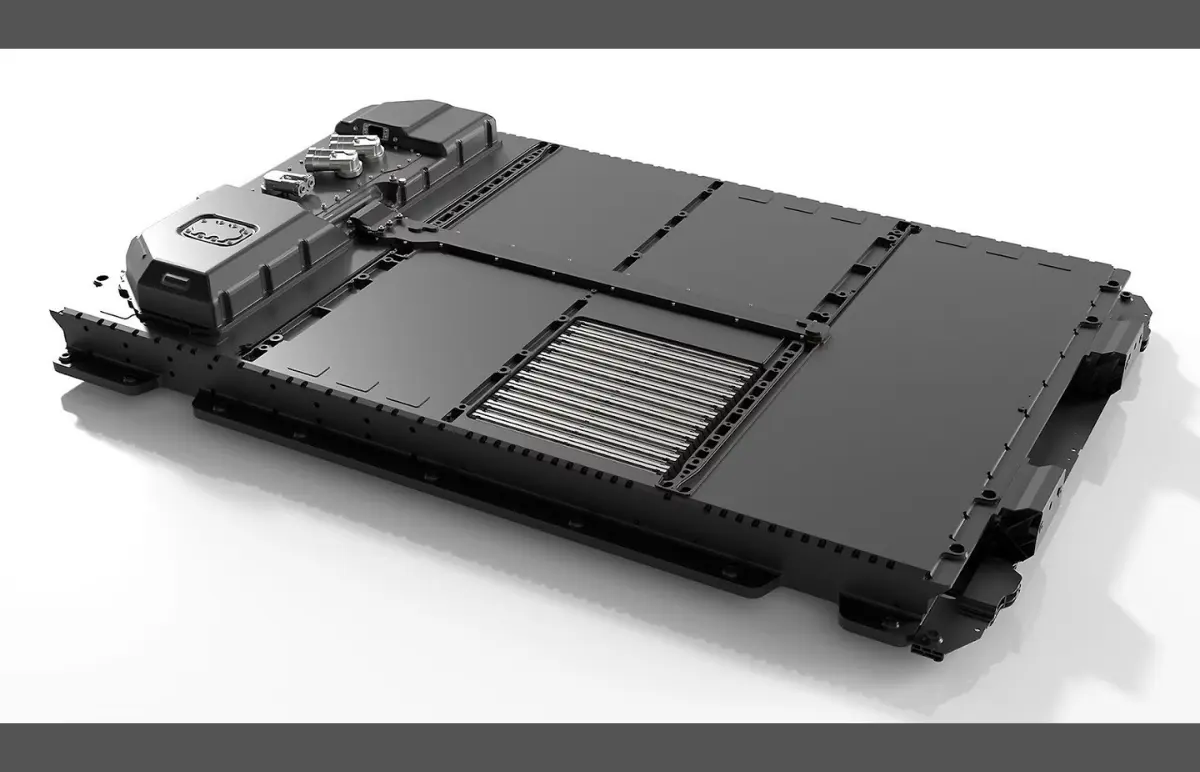
Currently, majority of the EVs are powered by lithium-ion batteries which comprise of a liquid electrolyte. The advanced Solid-State batteries replace the liquid with a solid electrolyte. However, this change seems to be minimal, but the real-world impact is massive.
Today’s lithium-ion batteries have a maximum energy density of around 200-300 Wh/kg. However, in 2026, the advanced solid-state batteries will have a maximum 400-500 Wh/kg of energy density and could reach thunderous 600 Wh/kg in near future. This ensures almost double the energy in future batteries with the same weight ensuring double driving range numbers.
On the other hand, solid electrolytes have higher charging temperatures and companies are developing the ability to charge 0-80% in just 10-15 minutes of DC fast charging.
.webp)
In February 2025, Mercedes Benz in partnership with Factorial Energy successfully re-engineered a lithium-metal solid-state battery into mainstream vehicle production, thus making it the first electric car to be driven with so much tech. Even a modified Mercedes EQS can deliver 1,200 km of range on a single charge.
As production scales and this technology is rapidly evolving, the solid-state battery could go mainstream around the world in 2028-30. Thus EV prices will drop significantly and the Indian market will utilize the benefits of solid-state batteries at a huge scale.
Sodium-Ion Batteries: The Cost-Effective option
As solid-state batteries are gaining traction and attracting the EV enthusiasts, the Sodium-Ion battery technology is also slowly evolving and could replace conventional lithium-ion batteries. Talking about the Sodium-ion batteries, they rely heavily on sodium, an element which is extracted from the ocean and is available at a rapid scale.
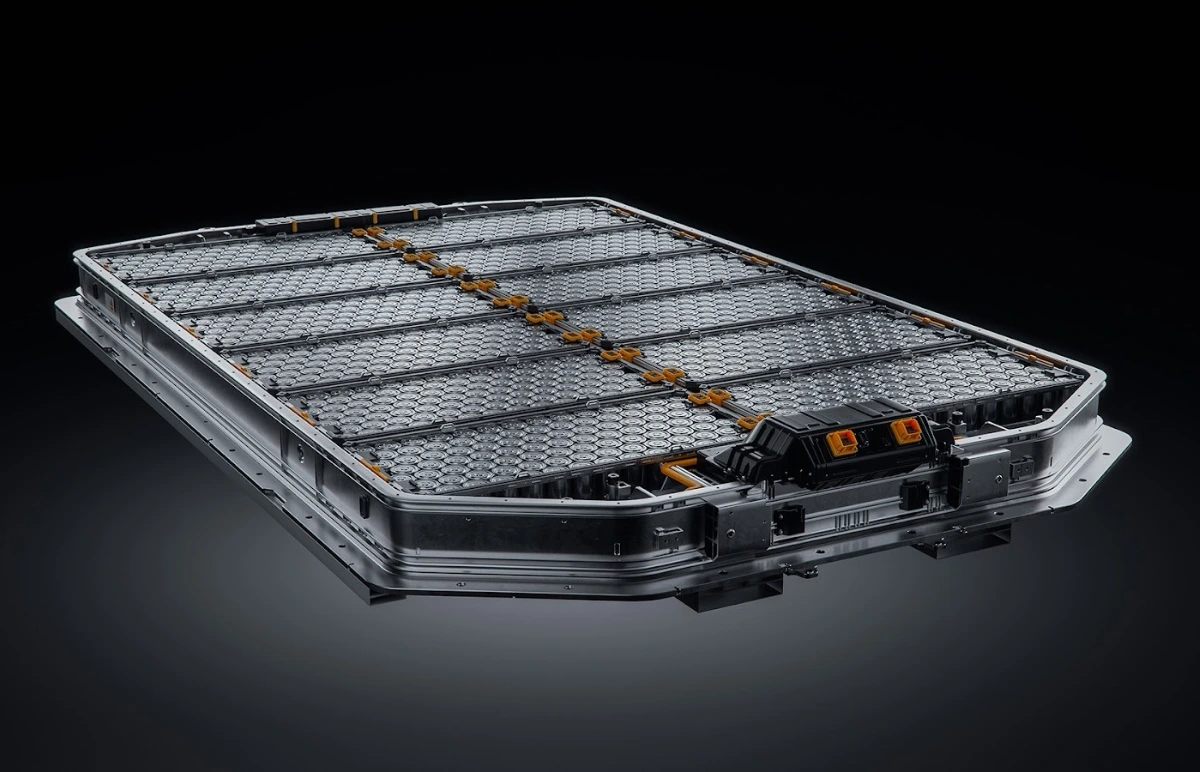
This means zero supply chain headaches and no geopolitical tensions for raw materials. The Sodium-Ion batteries are more reliable than lithium-ion batteries specifically at freezing temperatures of -10°C to -20°C, which could result in 20% more range in real-world extreme temperatures compared to LFP batteries.
They are also highly reliable as they have more charge cycles which could result in a longer battery life. However, one of the biggest advantages of using sodium-ion batteries is the sheer low cost as they are highly accessible. As per Experts, in 2027, the costs of the two technologies will be almost equal. Let’s see China’s official roadmap and let us showcase to you their rapid transition.
| China Official Roadmap | Energy Transition |
| Liquid Cells | 350 Wh/kg in 2025 |
| Hybrid Cells | 400 Wh/kg in 2030 |
| Solid-State | 500 Wh/kg in 2035 |
.webp)
However, for countries like India, where there are extreme temperatures, the Sodium-Ion batteries can perform exceptionally well in extreme hot climates of Rajasthan as well as cold regions like Ladakh. This technology will be available for mainstream production in 2027-2028 and will become even more affordable.
Vehicle-to-Grid (V2G): Car as a Power Generator
The Vehicle-to-Grid is the most usable and innovative technologies in this list as in simple terms, using this technology, your electric car can become a power source and can send electricity back to power your electric appliances and other devices. Thus your electric car is transformed into a power bank which can be further utilized to power up your homes and entire cities.
The benefits are impressive as according to various research estimates, a single EV can power an entire home for 2-5 hours. On a commercial scale, a V2G charger can save up to $1,900 annually on utility bills.
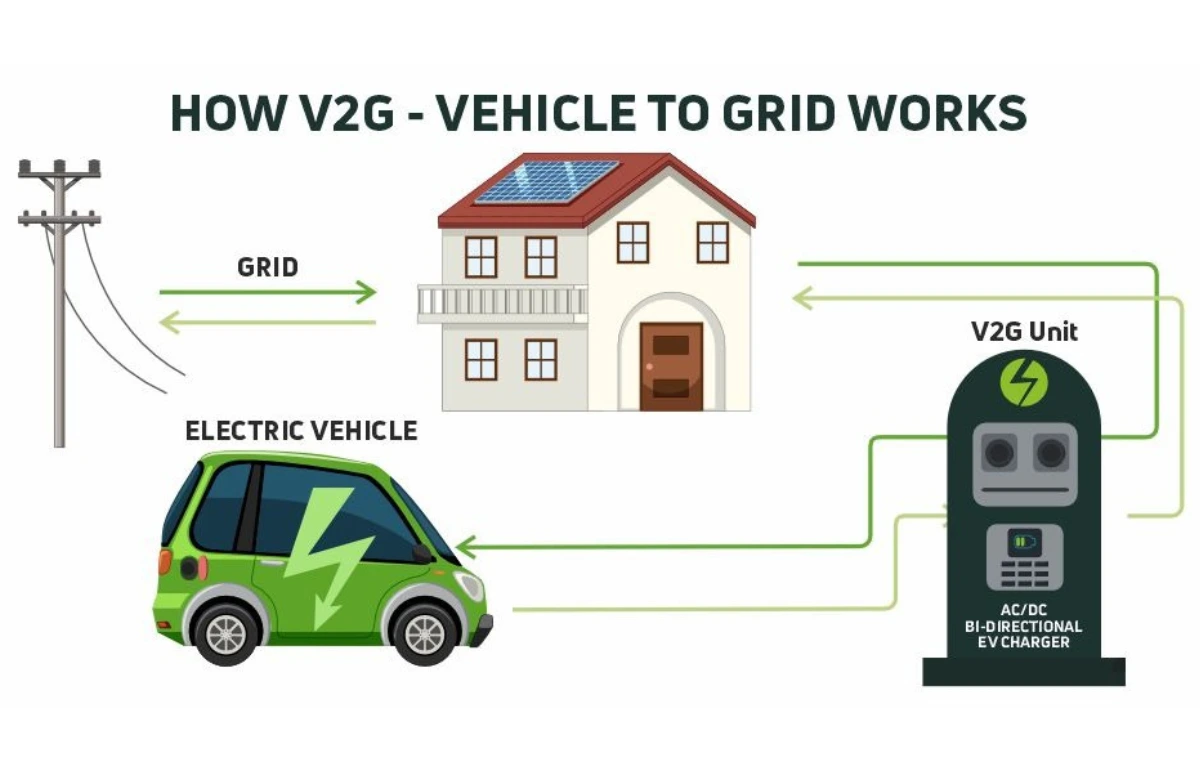
In India, cars like Hyundai IONIQ 5, Kia EV6, and various Tata cars are coming with V2L (Vehicle-to-Load), which allows your car to plug devices directly into your car. However, within the next 2-3 years as India’s smart grid infrastructure will be further developed, this feature will be even more useful and will leave an impact.
Wireless EV Charging: Future is Cordless
This is one of the coolest yet most advanced technologies to debut in the global markets soon and could disrupt the global EV industry. Wireless charging involves a magnetic field to transfer power, just like you charge your modern smartphone, but on higher power levels. In 2026, wireless charging efficiency will have crossed 93% and are even better than conventional Level 2 wired chargers.
The modern systems will handle a significant air gap of 10-25 cm, which will further power everything from a low-slung sports car to high-riding electric SUVs.
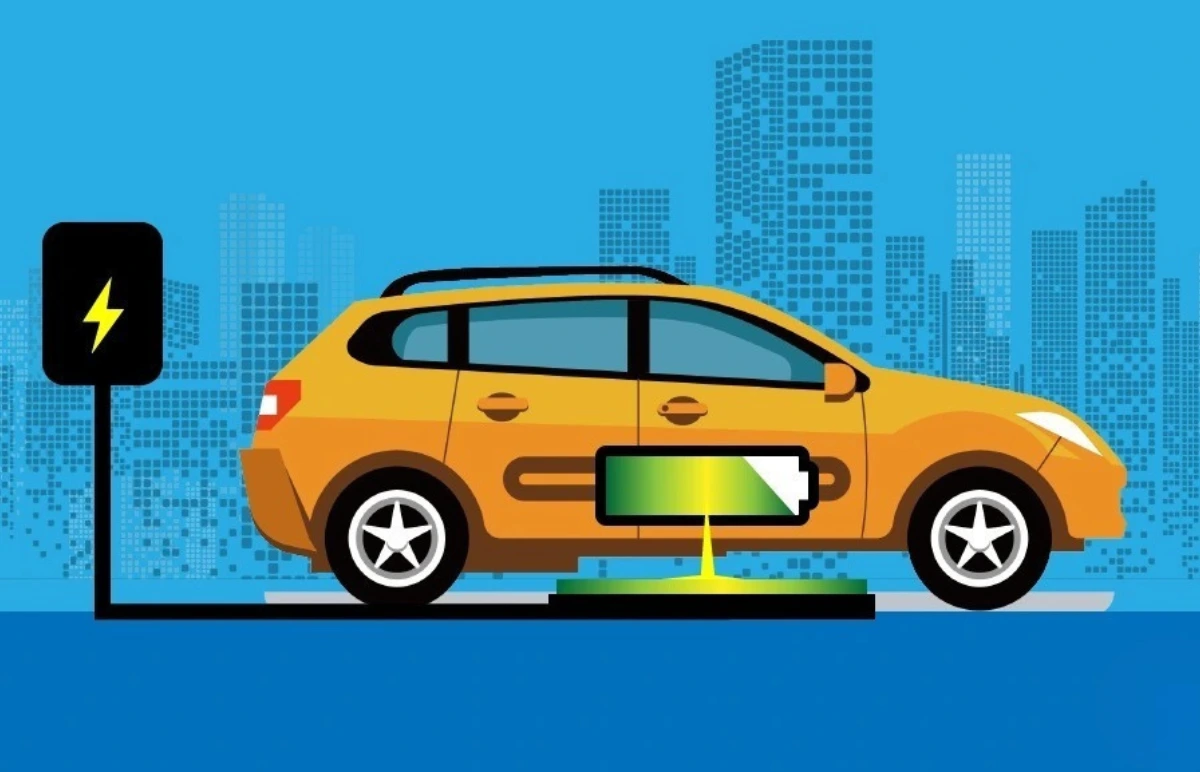
Static Wireless Charging: This exceptional charging process is officially a reality as you just have to park and align your electric car with the ground pad and charging begins automatically, eradicating the use of plugs and cables.
In 2026, this will be heavily mainstream and will combine with Automated Valet Parking, where you just have to leave your car at mall entrance and it will take you to the wireless charging spot, align it and automatically start charging.
Dynamic Wireless Charging: This technology intelligently crafted as Purdue University in the US has made history by wirelessly charging an electric commercial heavy-duty electric truck at a moving speed on a US highway segment by using transmitter coils placed beneath the concrete.
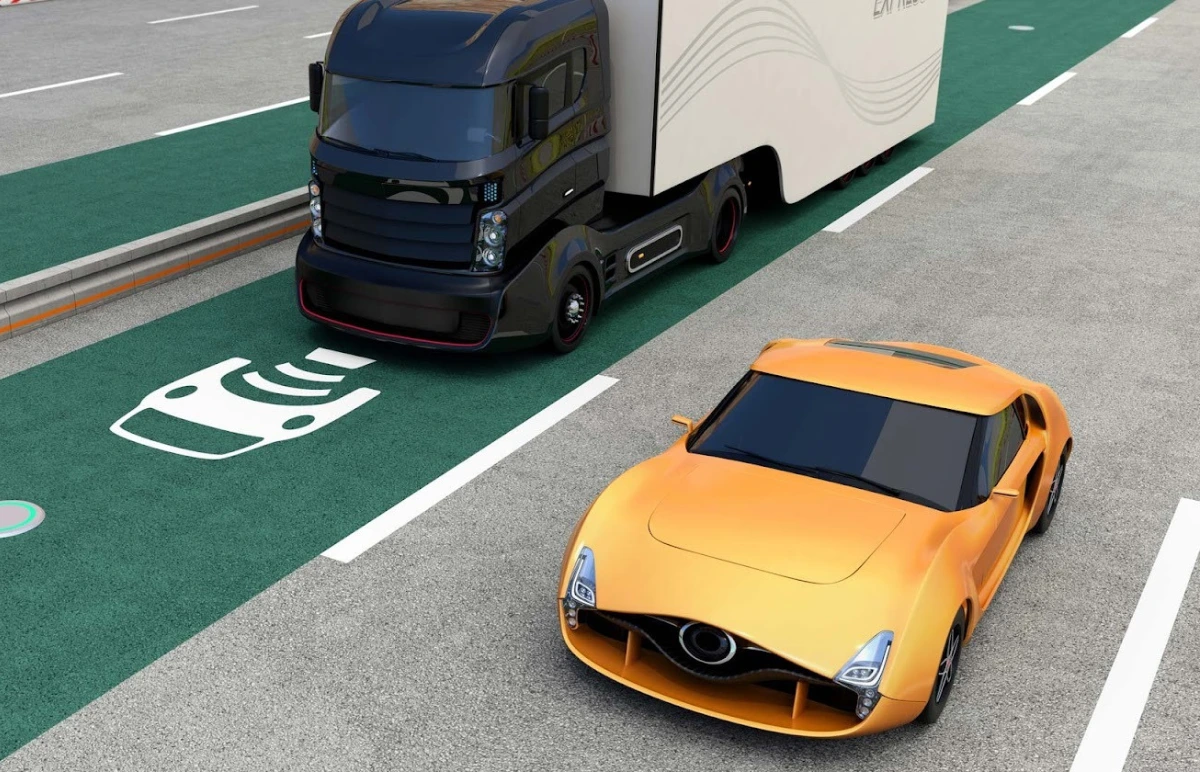
Dynamic charging is one of the most innovative technologies to be made, currently it is in the development stage and companies like Electreon are partnering with governments in North America and Europe to specifically attach coils beneath the road without fully rebuilding the highways.
For example, Tel Aviv in Israel is already charging 23 electric buses using Electreon’s tech by maintaining 99% uptime and providing 60 km of extra range everyday.
In India, companies like Tata and Mahindra are implementing 800V systems and we could also witness advanced rapid DC chargers which could fully charge the electric car in just 5 minutes. Soon, the Mumbai-Pune Expressway will be equipped with electrified roads, offering unlimited range between the cities.
Conclusion
So here are the five groundbreaking technologies that will take the global electric industry to the next level. From Google Maps Ai eradicating the range anxiety, to Solid-State batteries doubling the range in half of the charging time to wireless roads charging your electric car while moving.
Thus electric mobility is no longer a secondary source of transportation, it is slowly evolving as a lifestyle transforming into a smart energy ecosystem.