Indian Railways is set to introduce EV charging facilities at railway stations.
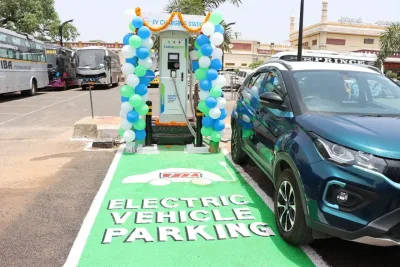
Indian Railways is planning to establish charging stations for Electric Vehicles at its railway stations. According to a recent update from the North Central Railways Zone, a tender has been circulated for the installation of EV charging stations at Prayagraj Junction, Manikpur, and Aligarh railway stations, thus enhancing the charging infrastructure at various locations which includes a large number of people.
The implementation of EV charging networks at major railway stations can strengthen the overall charging infrastructure and provide accessibility by establishing electric grid connectivity as they are located across main routes. Thus charging points at these stations can act as additional points of charging for EVs, thus contributing to the public charging ecosystem.
Indian Railways EV Charging Infrastructure
Apart from this, the big project also showcases various opportunities of interconnecting transport infrastructure and energy infrastructure. Key railway stations offer electrical connections, ample parking spaces, and attract a significant number of passengers, making them ideal spots for charging stations.
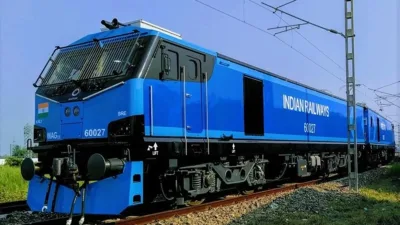
Such cities can be effectively utilised for catering to a variety of EVs ranging from passenger cars, to commercial vehicles and other forms of electric mobility, thus connecting them with an established charging network.
The North Central Railway Project is taking this project seriously and will showcase how existing transport infrastructure can be developed according to India’s rapidly advancing EV charging network.
As EV adoption is increasing at a rapid pace, railway stations and other transport hubs could emerge as strategically important charging locations, thus fueled with proper electric capacity to cater to the growing energy needs of EV users, load management, protection and energy-management systems are deployed efficiently.
This could seamlessly integrate the charging infrastructure with existing power networks thus enhancing the presence of public EV charging.