EV Adoption Patterns | Why India’s EV story is not limited to Metros
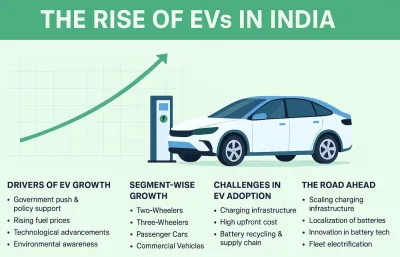
EV adoption in India is not just limited to metro cities but it is rapidly expanding across the country. Thus we have mentioned data below which reflects the actual growth of EVs in India and various projections where it can achieve growth in future.
Shift in EV Adoption Patterns (Nationwide Trends)
1. EV Penetration Growth in Smaller Cities:
- EV penetration in Tier-2 cities has shown a significant growth to 10.67% in FY25, which shows up from 4.16% in FY22.
- Tier-3 cities have also seen an increase in demand, reaching 8.68% penetration in FY25, which is up from 1.69% in FY22.
- These figures signify that EV adoption is considerably increasing in traditional Tier-1 cities and are catching up fast with metro cities.
2. Comparison with Tier-1 Cities:
- Tier-1 cities remain the majority of EV adopters, but they are slightly lagging behind Tier-2 and Tier-3 growth rates which are creating historic numbers in growth.
Segment-Driven Adoption in Secondary Cities
1. Vehicle Type Distribution:
- In Tier-3 cities, electric two-wheelers account for 70.94% of EV sales.
- Tier-2 cities witness 57.84% of EV sales, which signifies higher adoption of cost-effective, short-range vehicles.
- Electric passenger three-wheelers also have a major contribution of 32.4% mainly in Tier-2 cities.
2. Practical Implications:
- These adoptions data project that short distance and affordable mobility are the prime reasons why the majority of the audience is preferring EVs in secondary cities.
Specific Secondary City Momentum
1. Examples of Non-Metro Leadership
- Metro cities like Surat are actively working on EV adoption by setting local targets (50% EV share by 2030 and expansion of charging infrastructure)
- Chandigarh has recorded a strong rise in EV adoption, with EV registrations constantly increasing over recent years mainly due to local policy incentives.
2. Emerging Cities with Increased EV adoption
- Smaller cities like Trichy are showing impressive growth of 50% Year-On-Year (YoY) in EV registrations, though there is still need for infrastructure development.
Infrastructure Trends Outside Metros
1. Changing Charger Ecosystem:
- According to new analysis, Tier-2 cities such as Surat, Nagpur, and Coimbatore are leading in charging installations, thus reducing the dependence of metro cities.
2. Home Charging Advantage:
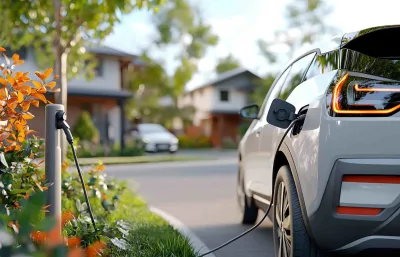
- Smaller cities have more developed access to home charging, thus reducing the direct dependence on public infrastructure, as EVs outside metropolitan areas depend on public charging stations.
3. National Charging Policy Backdrop:
- Government guidelines as per Ministry of Power and NITI Aayog have delicensed EV charging deployment across urban tiers in order to diversify the charging infrastructure across the country.
Economic and Policy Drivers for Secondary Cities
1. Operating Cost Advantages
- EVs generally have lower operating costs as compared to ICE vehicles, which is quite beneficial for those having shorter commutes and those prioritising delivery use cases.
2. State EV Policies Boosting Adoption
- Several states have various EV incentives which boost EV adoption at a rapid rate. For example, Telangana’s EV subsidy policy boosted the EV sales by 30 times increase in sales share after the implementation of these policies.
3. Private Sector Commitments
- There are various partnerships emerging in order to rapidly expand EV fleets and battery-swapping networks (Eg, Yuma Energy + MotoVolt) are generally focussed on wider network expansion.
Megatrends & Strategic Shifts in EV Adoption
1. E-Mobility is decentralising:
- According to industry research & analysis, EV revolution is happening majorly in Tier-2 and Tier-3 cities, majorly driven by affordability, commuting patterns, and local manufacturing.
2. Urban Planning & Environment Goals:
- Secondary cities are creating their own EV goals which are aligned as per their local climate action and urban planning frameworks, thus linking these goals to achieve clean energy goals and reduced air pollution.
Challenges Specific to Secondary Cities
1. Charging Infrastructure Gaps:
- As adoption is increasing at a constant rate, many secondary cities are facing challenges, which are being reported in cities like Trichy.
2. Financing Challenges:
- There is a limited access to structured financing and leasing options in smaller markets which may indirectly weaken the pace of EV adoption, which could further decrease consumer expectations.
3. Policy Variability:
- EV Policy subsidies might change varying across states, which further results in uneven adoption patterns across the country.
Future Outlook (Data-Based Projections)
1. EV Adoption Diversity:
- Tier-2 and Tier-3 are expected to increase EV adoptions, thus widening the EV user base, mainly due to short commutes, lower total cost of ownership, and increasing infrastructure growth.
2. Integration with Logistics & Sharing Economy:
- EV adoptions in secondary cities may rapidly rise specifically in shared mobility and commercial uses, which includes e-3Ws for commercial logistics and delivery purposes.