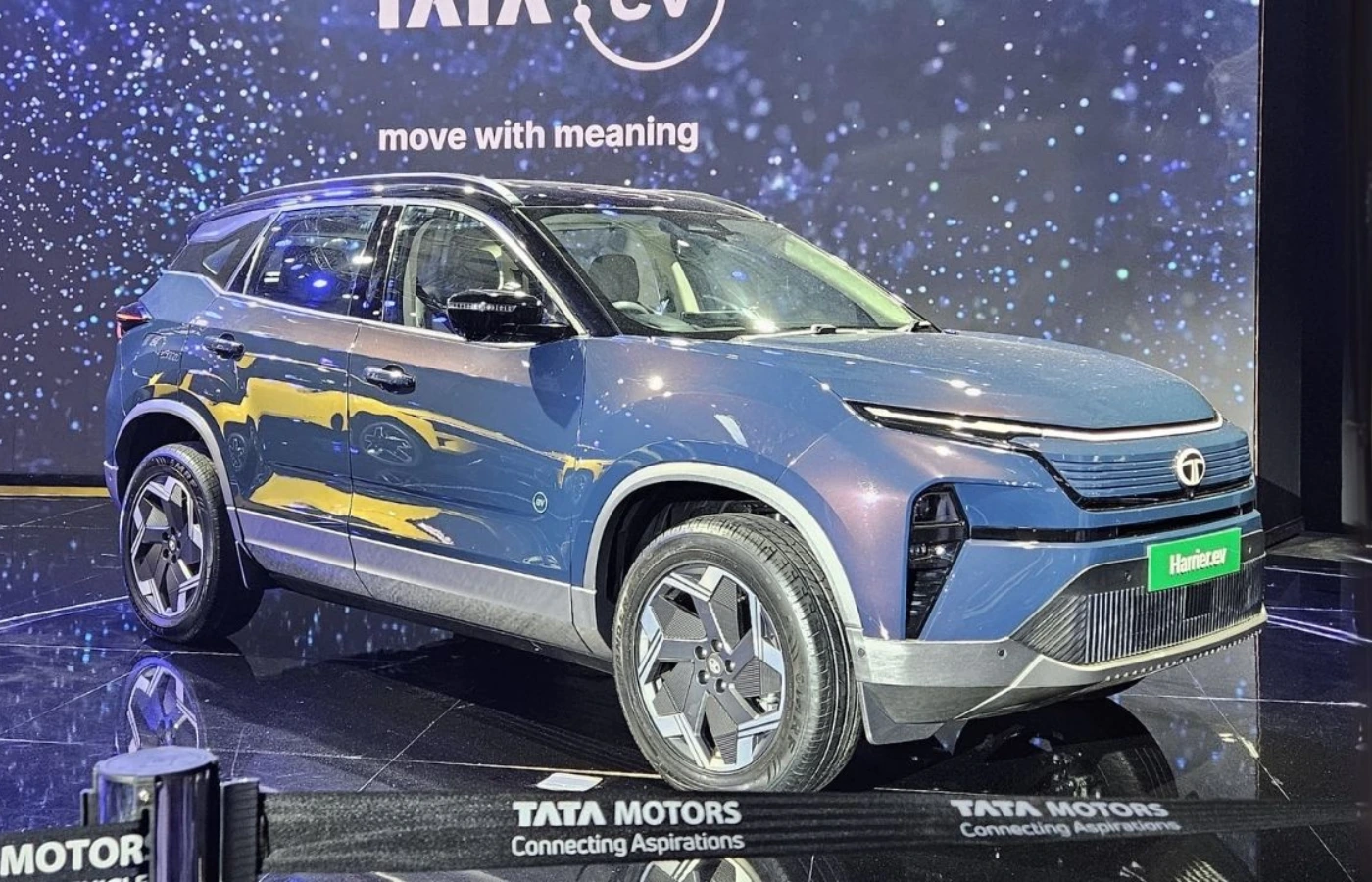
Maruti e Vitara vs Hyundai Creta Electric: Which is better for you
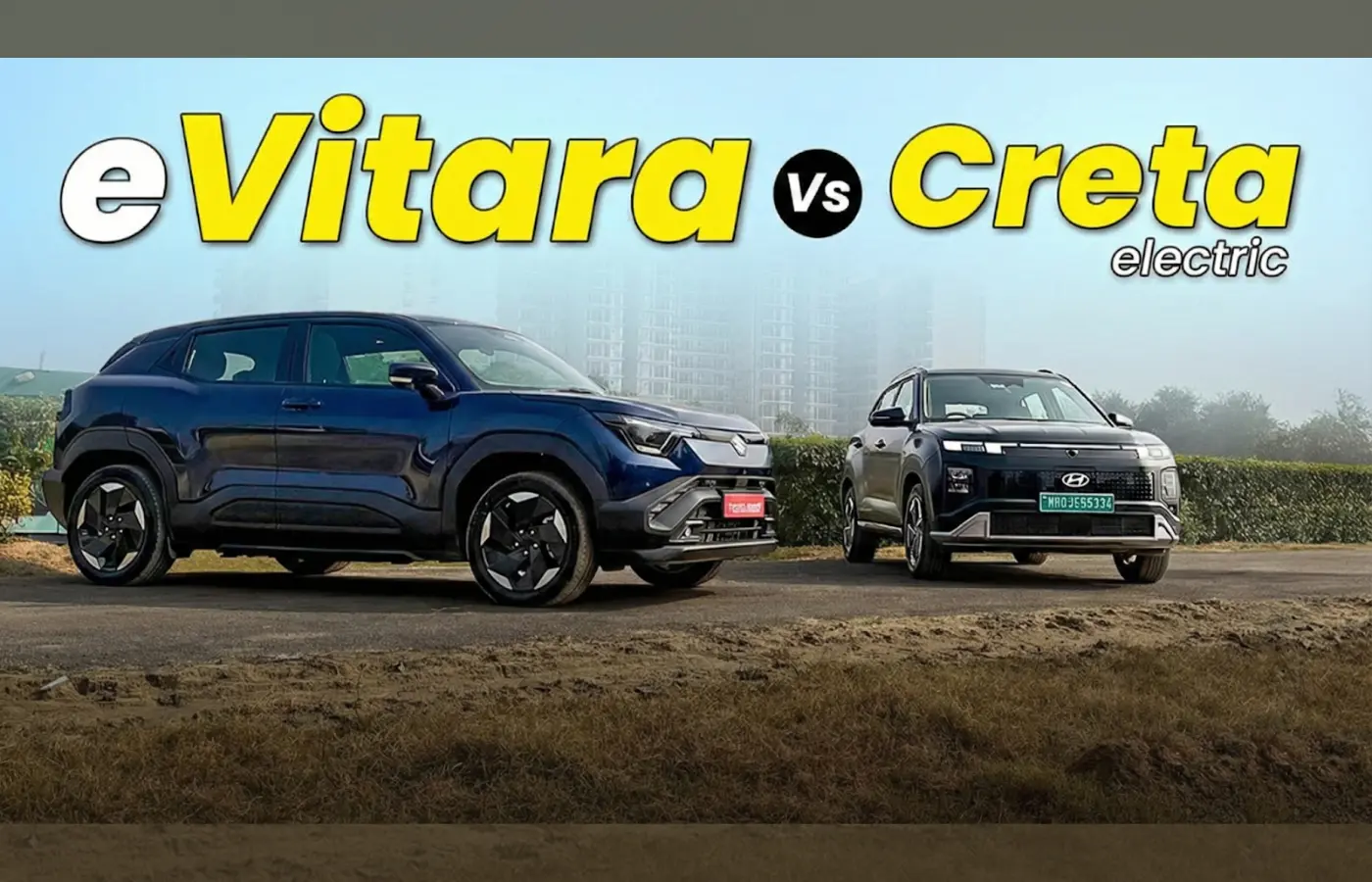
The Indian electric SUV is facing stiff competition with each new launch as carmakers want to solidify their position in top sales charts. Maruti has also introduced their all-new e Vitara, which is a “Born EV” underpinned on an all-new electric skateboard platform made specifically for EVs.
On the other hand, we have Hyundai Creta Electric, which is an electric version of India’s favourite SUV, with electric power. If you are confused between these two cars, this comparison will draw a clear picture and list down real-world differences to help you decide which car is perfect for you.
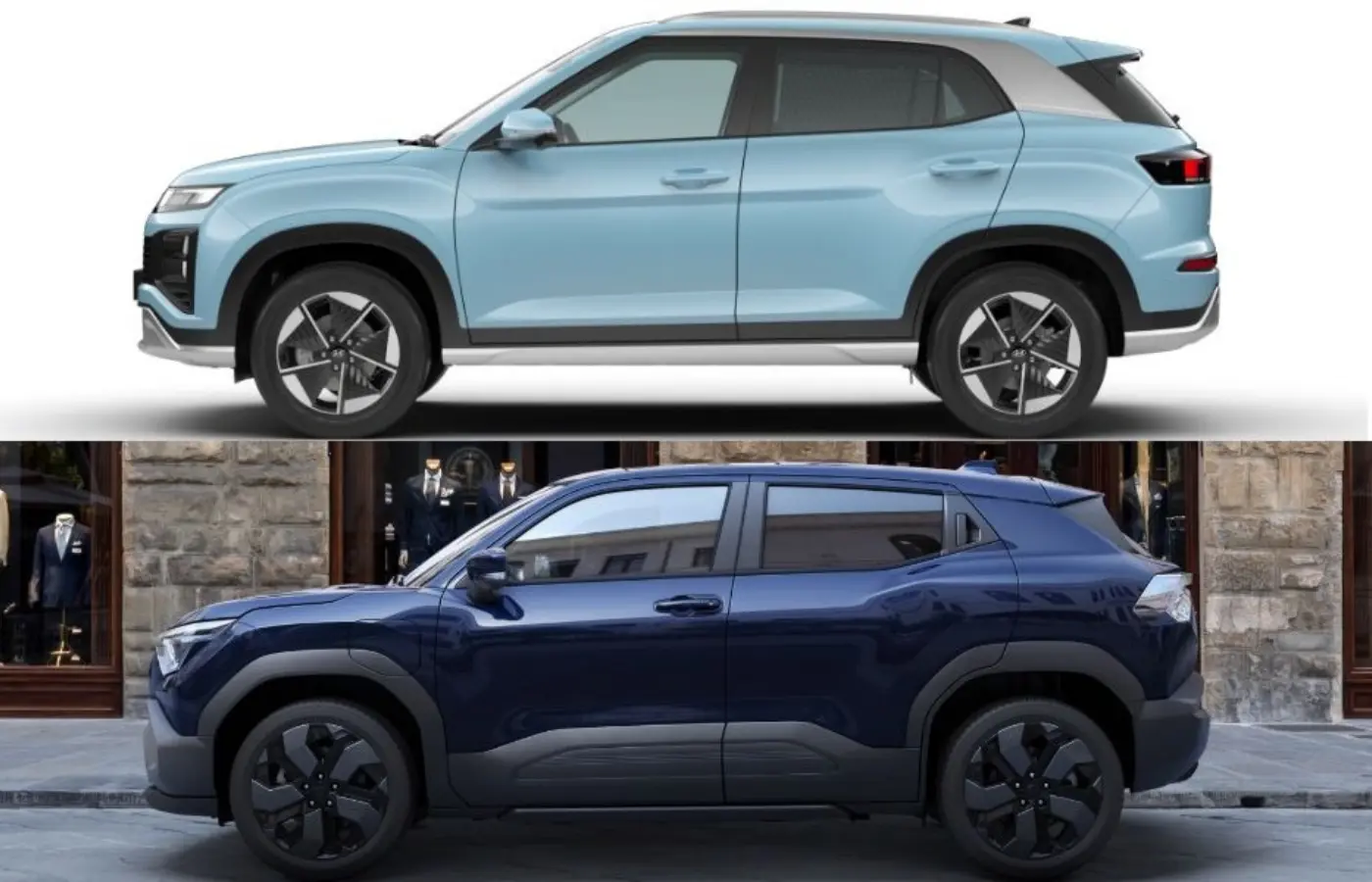
Dimensions: Born EV VS ICE Conversion
The basic difference between these two cars is in the platform they are engineered. The e Vitara is significantly wider with a longer wheelbase, and is crafted on a dedicated EV platform, whereas the Creta Electric is longer and taller, retaining the silhouette of its original ICE car.
.webp)
| Specification | Maruti e Vitara | Hyundai Creta Electric | Winner |
| Length | 4,275 mm | 4,340 mm | Creta (Longer) |
| Width | 1,800 mm | 1,790 mm | E Vitara (Wider) |
| Height | 1,640 mm | 1,655 mm | Creta (Taller) |
| Wheelbase | 2,700 mm | 2,610 mm | E Vitara (+90 mm) |
Verdict: While the e Vitara looks wider and planted, the Creta Electric offers more height and ground clearance with a more commanding road presence.
Interior Quality & Comfort
On the inside, the differences are pretty evident.
- Maruti e Vitara: The cabin of this electric Maruti feels more modern with soft-touch materials and the interior features a new floating console. However, the floor is placed higher due to the battery pack, which reduces the under-thigh support for rear passengers. The rear seating experience is not up to the mark due to the lack of foot room under the front seats.
.webp)
- Hyundai Creta Electric: A good thing which Hyundai has implemented is that they have stick to the basics, as the interior is largely similar to ICE counterpart and is well organised and feels upmarket. The seating arrangement is also superior, thus offering better thigh support and foot room.
The dual-screen layout is properly balanced and the overall fit and finish feels better than Maruti.
Boot Space: The Deal Breaker?
The Creta Electric provides a larger 433 litres of boot space, which can accommodate large suitcases for a weekend trip. It also provides frunk (Front Trunk) to store your charging cables.
In comparison, Maruti e Vitara provides a smaller 306 litres of boot space, despite being made on a born EV platform, as the inclusion of a full-sized spare wheel inside the boot floor reduces the overall boot space, thus making it difficult to accommodate large suitcases.
.webp)
Features & Technology
| Features | Maruti e Vitara | Hyundai Creta Electric |
| Sunroof | Fixed Glass Roof (Doesn’t Open) | Panoramic Sunroof |
| Seats | Ventilated | Ventilated |
| Powered Driver’s Seat | No | Yes |
| Tech | Dual 10.25-screens | Dual 10.25-Screens |
Verdict: Both cars come with various features, but in comparison Creta Electric comes with better balance of features by adding powered driver’s seats and a panoramic sunroof, both of which are missing in the e Vitara.
Which Is Better For You?
Hyundai Creta Electric is perfect for you if:
- If you prioritise practicality with loads of boot space and comfortable rear seats. The Creta Electric also offers better ground clearance, thus making it ideal for mixed road conditions and also comes with extra interior space.
- It also provides more features such as addition of a panoramic sunroof and an organised cabin with top-notch interior quality.
Maruti e Vitara is perfect for you if:
- If you want an EV with a dedicated electric architecture and a longer wheelbase. The e Vitara’s suspension is also tuned better in handling rough roads with more composure. The E-vitara is wider in comparison and offers muscular SUV looks.