India's EV charging infrastructure remains heavily concentrated in major metropolitan areas as grid issues continue.
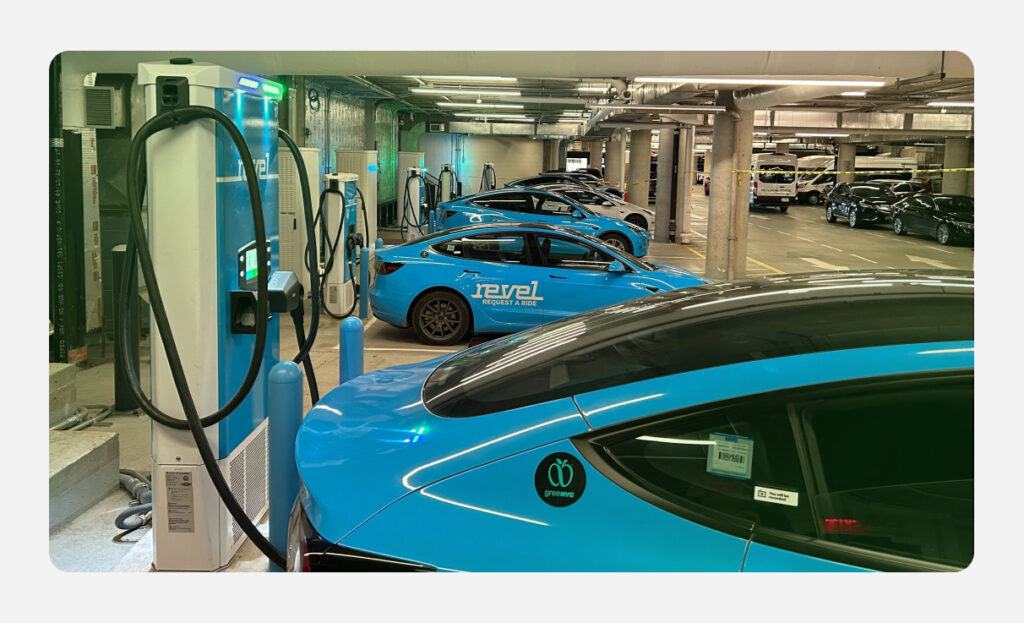
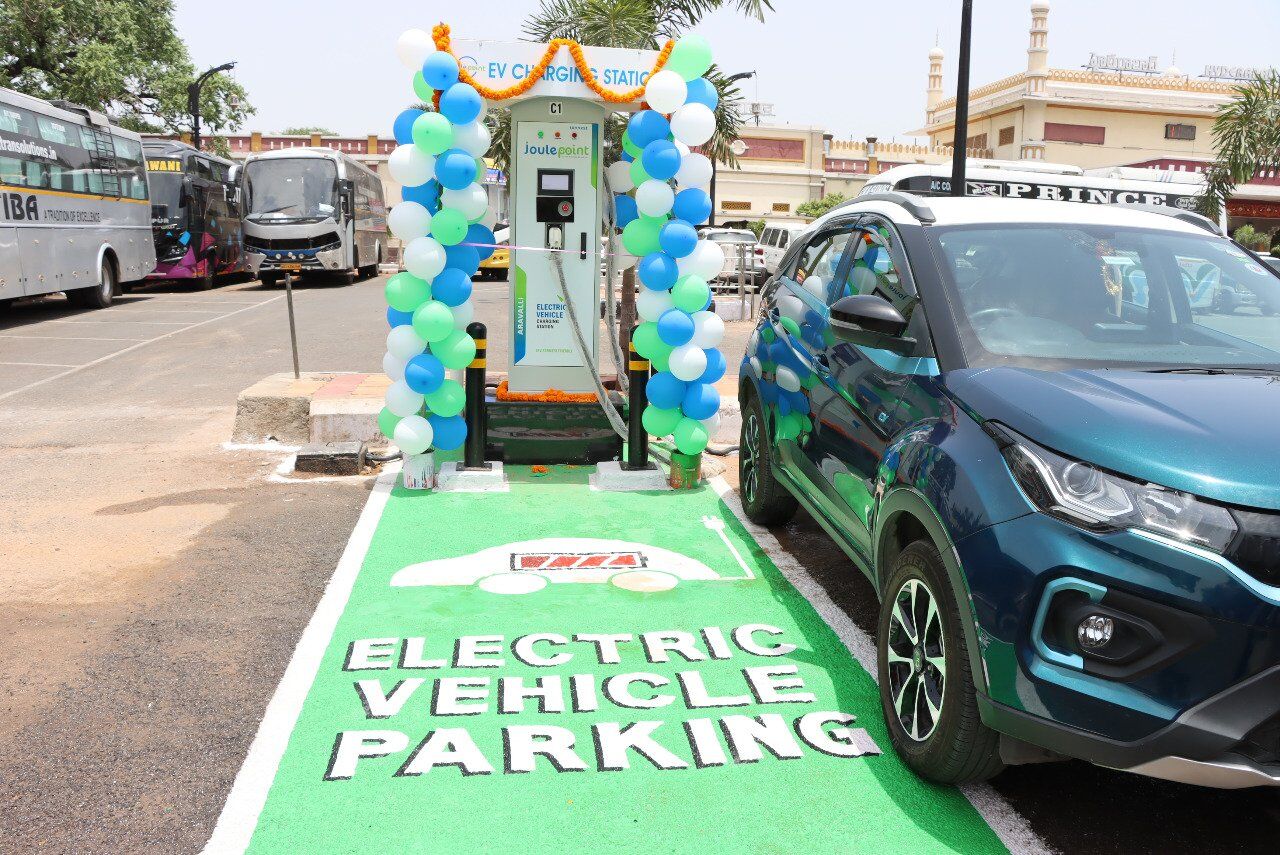
India’s public EV charging has witnessed immense growth over the years as it has expanded nearly fourfold in two years, showing significant growth, but the country is facing geographic inequality and commercial vehicle charging infrastructure is still non-existent.
This has been quoted by the Senior Group Director at Informa Markets, India, as he expressed his views on this year’s Renewable Energy India Expo and the Battery Show India, which is co-located with the Energy Storage Summit India (ESS India), in Greater Noida on 22-24 October 2026.
Rajneesh was asked whether charging infrastructure developers and CPOs express at the Battery Show India are focussing on improving charging network in Tier-1 cities or expanding their presence in Tier-2 and Tier-3 markets, to which he pointed out a major gap between headlight capacity figures and on-the-ground deployment progress.
.jpg)
He further expressed his thoughts and said, “As of March 2026, India has approximately 27,737 public EV charging stations, which is nearly a fourfold expansion in just two years of time. These numbers are impressive on the paper but the ground reality is totally different as geographic inequality still persists, with metros leading the deployment, while Tier-2 and Tier-3 cities have no growth.”
He adds that there should be more focus on the development of public EV charging as he said, “Most houses, residential societies and offices have charging facilities in place.” He also stated that the public charging infrastructure is heavily dependent on electric four-wheeler adoption and commercial fleet owners and operators, as the segment is still focussed on Tier-1 cities and intercity corridors.”