EV Charging Station Installation in India: Rules, Guidelines and Safety Requirements (2026)
The EV market in India has been growing rapidly. To make this possible, it is important to ensure the charging facilities are well installed. Whether it be for home, office or general public, EV charging stations must be installed properly. The Government of India's Ministry of Power issued the Guidelines for Installation and Operation of Electric Vehicle Charging Infrastructure on 17th September, 2024. Considering this, we have crafted this detailed guide that will cover the main guidelines for EV charging infrastructure in India, how to set up your charging station, electrical safety and operation and maintenance, and many more.
What are the EV Charging Infrastructure Guidelines?
The EV charging infrastructure guidelines are guidelines and rules set out by the Ministry of Power to help create safe, accessible and reliable charging infrastructure. The guidelines have been updated in 2024 to clarify how they should be applied to private, semi-public and public EV charging infrastructure. They also aim to help increase accessibility to charging services for EV owners and encourage investment into EV charging infrastructure. The guidelines cover:
- Private areas: homes, private garages and home parking.
- Semi-public areas: workplaces, educational facilities, hospitals, group housing societies and bus depots.
- Public areas: retail centres, railway stations, airports, petrol stations, metro stations and city parking.
- Highways/Expressways: intercity travel.
The guidelines can apply to EV charging infrastructure owners and operators, DISCOMs and government agencies at central and state level.
Installation Eligibility and Requirements for EV Charging Stations
Businesses, property owners and other relevant parties can install EV charging infrastructure. However, they must comply with electricity, safety, building and local requirements. The guidelines state that EV Charging should be treated as a service. Therefore it should encourage the creation of EV charging businesses. You do not need a standard electricity distribution licence to provide EV charging services, however you must abide by relevant laws. Depending on the charging infrastructure you want to install:
- Home owners: You can charge your EV using a standard connection. You must ensure the infrastructure is installed correctly to comply with electrical safety.
- Housing Societies: Charging points can be planned in car parks. You must ensure there is enough electricity capacity and liaise with relevant parties.
- Commercial Property Owners: EV charging infrastructure can be installed at office complexes, hotels, retail centres etc.
- Charging Infrastructure Operators: Public charging infrastructure can be created and charging services can be provided.
- Fleet Operators: EV charging infrastructure can be installed at depots.
Depending on your location you may need permission from property owners, societies or local authorities. You must also take into account local state electricity supply regulations and other relevant requirements.
Electricity Connection Requirements for EV Charging Stations
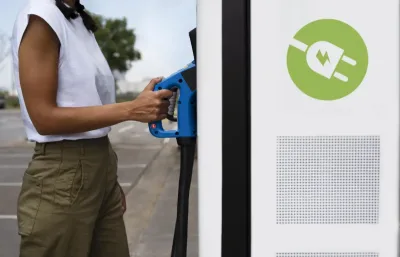
One of the most important requirements for installing EV charging infrastructure is ensuring you have a reliable electricity connection. The amount of power you will need will depend on how many chargers you want, what capacity they are and what vehicles you are charging. Under the 2024 guidelines, EV charging infrastructure operators can apply for a connection through their local DISCOM. The guidelines state how long it should take to connect your infrastructure:
| Location or requirement | Maximum connection timeline |
| Metropolitan area | 3 days |
| Other municipal area | 7 days |
| Rural area | 15 days |
| Rural area with hilly terrain | 30 days |
| Where distribution mains extension or a new substation is required | 90 days |
These are the guidelines. You must abide by relevant regulations. The guidelines state that EV charging infrastructure owners can choose to have a low tension connection (LT) if they have a load up to 150kW. You must ensure you use the correct connection based on the total load. Before installation, you should ensure that your current electrical infrastructure can support the chargers you want to install. If you are installing a larger charging hub you may need extra electrical equipment.
Also check: Apartment EV Charging Guidelines | Private EV Chargers
Where Should I Install My EV Charging Infrastructure?
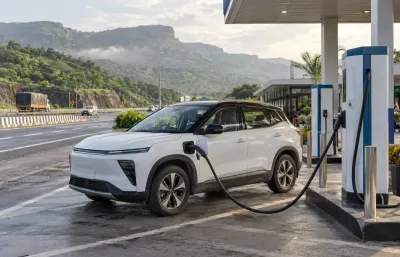
The type of location you install your EV charging infrastructure will impact how accessible it is. Under the 2024 guidelines it is recommended that EV charging infrastructure be installed in urban areas and on main roads to improve accessibility to EV owners, commercial fleets and long distance users. It is recommended that:
- Urban Areas: At least 1 EV charging station per 1km x 1km grid within urban areas as defined by the relevant state government.
- Highways/Expressways: 20km apart on both sides of highways, expressways and main roads.
- Long Distance/Heavy Duty EV: Fast chargers with at least 2 chargers of at least 240kW capacity every 100km on both sides of defined highways, expressways and main roads.
These are recommendations. Not all roads will have EV charging infrastructure installed at these distances. When choosing where to install your EV charging infrastructure you should also consider how much traffic there is, the amount of parking available, how accessible it is, surrounding facilities, electricity availability and how much demand there will be. Installing your infrastructure in a good location will help you reach more users and make the best use of your equipment.
Types of EV Chargers and Technical Requirements
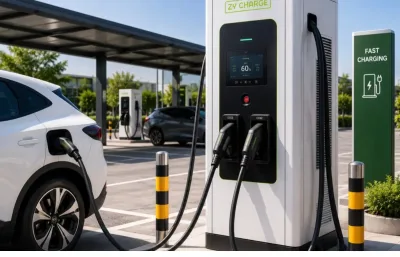
Not all EV vehicles will use the same type of EV charger. You must ensure that the chargers you use are compatible with the vehicle, battery size, charging speed and use. The guidelines state that you should adhere to technical standards. When choosing your EV charger, ensure it meets the relevant Indian standards.
| Charger type | Typical use | Key consideration |
| AC charger | Homes, offices and destinations where vehicles remain parked for longer | Suitable for regular or overnight charging |
| DC fast charger | Public charging hubs, highways and fleet operations | Supports faster charging, subject to vehicle compatibility |
| High-capacity DC charger | High-demand hubs and suitable commercial or heavy-duty EVs | Requires appropriate electrical infrastructure |
Must have the right electrical infrastructure. The amount of time it takes to charge your EV will not just rely on the capacity of the charger. The maximum charging speed of the vehicle, battery temperature, charge level and charger output can all impact the charging speed.
Before purchasing any equipment you should ensure the EV charger has the correct type of connector, output, electrical requirements, is certified and has after-sales support. Choosing compatible equipment will help reduce issues and give a better charging experience.
Electrical Safety Requirements for EV Charging Infrastructure
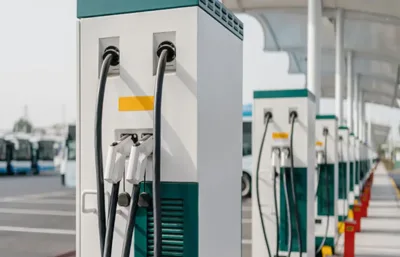
It is vital to ensure your EV charging infrastructure, whether private or public, is safe. Poor wiring, incorrect equipment or lack of protection can cause issues. Your EV charging infrastructure must comply with relevant CEA safety regulations, technical standards and local requirements. Ensure that your infrastructure is installed by qualified professionals to ensure the electrical load is assessed and equipment is properly connected. Key considerations are:
- Earthing/Protection: Ensure that the infrastructure is properly earthed and protected.
- Over Current Protection: Ensure that you have the correct rating circuit breakers and other protection.
- Cables: Ensure that the EV charging cables, sockets and connectors are correct for the equipment.
- Weather Protection: If the EV charging equipment is outside ensure it is protected from the weather.
- Fire Safety: Ensure you have access and comply with fire safety requirements. Avoid blocking the charging area.
- Cable Management: Ensure the cables are arranged so they do not trip people over and are not damaged by vehicles.
Avoid using damaged equipment and do not touch connectors with wet hands. Charging infrastructure operators should provide clear guidance on how to report faults.
Electricity Tariffs and EV Charging Service Charges
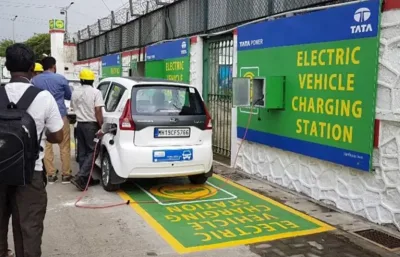
An important consideration when deciding whether EV charging infrastructure is viable is the cost of electricity. The guidelines aim to simplify the electricity tariffs. The Ministry of Power has advised that there should be a single part tariff for electricity at EV charging infrastructure. This should be capped at the Average Cost of Supply (ACoS) until 31st March 2028. This will depend on state regulations and tariff orders.
Charging infrastructure operators should ensure that they understand the difference between the electricity tariff and the service charges. The final price shown to the EV user will depend on how the operator prices it. Ensure that you are clear on how much it will cost to charge your EV, how to pay and any additional fees. This will help customers understand what they are paying to charge their EV.
Operation and Maintenance of EV Charging Stations
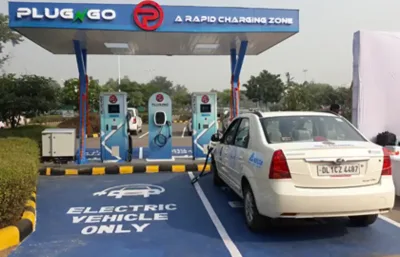
Once you have installed EV charging equipment it is important to regularly maintain and ensure your infrastructure operates reliably. Charging infrastructure owners and operators should create a maintenance schedule. This should include:
- Visual Checks: Check the EV charging guns, cables, connectors, screens and electrical equipment for any visible damage.
- Maintenance: Follow the manufacturers guidelines for maintenance and testing.
- Software: Ensure that the EV charger management and relevant software is up to date.
- Faults: Ensure there is a process in place to identify faults, report any issues and arrange repairs.
- Customer Support: Ensure contact details are available and provide clear guidance on how to start and stop charging.
- Operational/Maintenance/Electricity Records: Ensure you have the relevant records.
Using smart charging and EV charger management will help you keep track of how much your infrastructure is being used. It will help you manage the demand of charging and identify any faults with the equipment. This will be beneficial if you have multiple EV chargers or a large fleet of EVs.
Also check: EV Charging Station Business in India | Cost, Profit, Risks & Reality Check
Role of Government Agencies in EV Charging Infrastructure
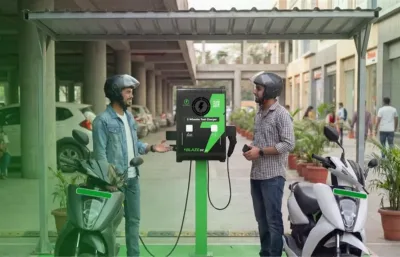
There are several government bodies involved with creating EV charging infrastructure:
| Agency | Key role |
| Ministry of Power | Issues the central guidelines for EV charging infrastructure |
| Bureau of Energy Efficiency (BEE) | Acts as the central nodal agency for the rollout of public EV charging infrastructure |
| State governments | Designate state nodal agencies and support infrastructure development |
| DISCOMs | Provide electricity connections and support power supply arrangements |
| CEA and relevant regulatory authorities | Establish or oversee applicable electrical safety and technical requirements |
The guidelines also encourage the use of public land at promotional rates and revenue sharing to help create public EV charging infrastructure.
Step-by-Step Process to Install an EV Charging Station in India
1. Decide a location: Identify an ideal location with sufficient parking area, easy vehicle accessibility, and good visibility to install the charging station. Consult an electrical engineer to identify the availability of power supply and load requirement (kW/kVA).
2. Apply to DISCOM for electricity connection: Contact your local electricity distribution company (DISCOM) for applying a new connection or increasing your existing sanctioned load.
3. Decide on charging equipment specifications: Decide the type of EV charger you want (AC/DC) based on what vehicles you want to charge. Ensure that all equipment is compliant with relevant BIS standards (such as IS 17017). The equipment should also have sufficient safety protection and waterproof features.
4. Install civil and electrical infrastructure: Ensure that your system includes dedicated power cables, earthing, circuit breakers, and surge protectors. High capacity charging stations may also require a transformer or electrical upgrades.
5. Final testing: Once all testing and safety requirements are completed, install charging management software, payment methods, and customer support.