Should You Buy an Electric Car in 2026 or Wait? A Complete Decision Guide
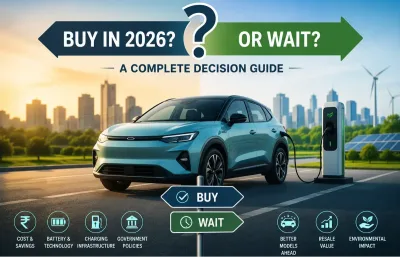
The innovation of Electric Vehicles has spread in every sphere of the Indian Industry in 2026. But one question still stands for people : Should you buy an electric car in 2026 or wait? Some people believe that better battery technology is just around the corner, and some think that prices will reduce significantly in the next few years. Various buyers are also concerned about other factors like resale value, battery replacement, government policies and more. But the truth is that, yes, 2026 is a very good time to buy an EV.
Today the buyers are smarter than ever and have a wider range of choices than before as every major manufacturer has joined the India EV industry. From Kia to Tata, and from city hatchbacks to premium SUVs, every kind of electric model is available in the market. Also the modern Electric cars provide longer driving ranges, better fast charging, strong safety, lower running costs and more. Considering, we have drafted this detail where we have answered the question, Should You Buy an Electric Car in 2026 or Wait?
Why 2026 Is a Good Time to Buy an Electric Car?
Several factors make 2026 one of the strongest years to buy an electric car. Here’s in detail about the factors:
1. More Choices Than Ever: Five years ago, EV buyers had only a few options. Today, buyers can choose from:
- Budget EVs
- Compact SUVs
- Premium SUVs
- Luxury electric cars
- Family crossovers
Manufacturers like Tata Motors, Mahindra, Hyundai, MG Motor, Kia, Maruti Suzuki, BYD, BMW, Mercedes-Benz, Volvo, and others now have electric models available or launching soon. Competition has also improved pricing and features.
2. Better Driving Range: One of the biggest concerns earlier was range anxiety. Modern EVs now commonly offer:
- Vehicle Category
- Typical Real-World Range
- Small EV
- 220–320 km
- Mid-size EV
- 320–450 km
- Premium SUV
- 450–600+ km
For most Indian drivers, this is more than enough for daily use.
3. Better Pricing: Comparing from the start of the EV innovation, the prices have comparatively dropped. To strengthen the EV Industry, the government has also adopted various subsidies and policies. Innovations like PM E-Drive, which is a direct purchase subsidy for 4-wheeler passenger EVs.
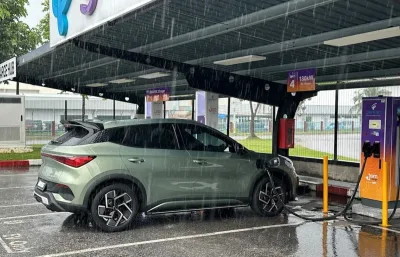
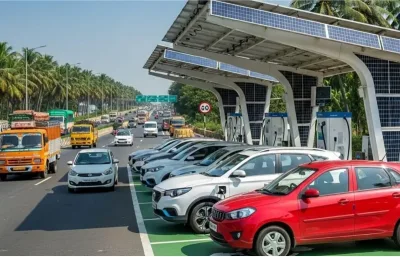
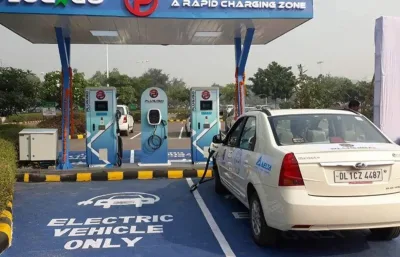
4. Fast Charging: Charging infrastructure has expanded rapidly. Many highways now have DC fast chargers, while cities continue to add charging stations at:
- Shopping malls
- Hotels
- Office buildings
- Parking complexes
- Petrol pumps
- Residential societies
Fast chargers can significantly reduce charging time, making long-distance travel much easier than before.
5. Lower Running Costs: One of the biggest advantages of owning an EV is the savings on fuel. Compared with petrol or diesel cars, electricity generally costs much less per kilometre. For people who drive every day, these savings can become substantial over several years.
6. Lower Maintenance: Electric cars have no engine oil, no spark plugs, no clutch, no gearbox oil in many designs, and fewer moving parts which usually means that lower servicing costs, fewer mechanical failures, less regular maintenance is required.
Reasons Some People Still Want to Wait before buying an EV
Buying in 2026 is a good decision for many people, but waiting may make sense in certain situations.
Better Battery Technology
Battery technology continues to evolve. Future improvements may include:
- Higher energy density
- Faster charging
- Longer battery lifeImproved efficiency
However, these advancements are expected to arrive gradually rather than all at once.
More Affordable Models
Several manufacturers are planning additional entry-level EVs. Increased competition could lead to:
- More variants
- Better features
- Improved value for money
However, future pricing will also depend on battery costs, taxes, and market demand.
Improved Charging Network
Public charging is expanding every year. If you frequently travel to remote areas, waiting could provide access to an even denser charging network.
When Buying an EV in 2026 Makes Perfect Sense?
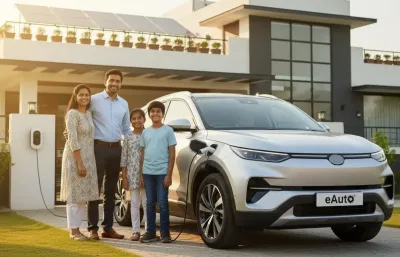
You should strongly consider buying electric car now if:
- You Drive Mostly in the City: Electric cars will be best for you if you commute daily in the city for 30-60 km, and occasionally 100 km. EVs are the most preferred option in cities for daily commute and can easily handle travel.
- You Keep Cars for Many Years: If you are among those buyers who usually prefers to keep a vehicle for a long time like, 6 years, 8 years, 10 years and so on. Then buying an EV today helps to recover the higher purchase price through lower running cost and maintenance cost over time.
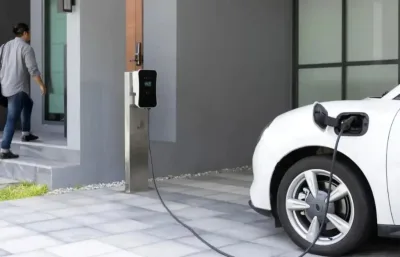
- You Can Charge at Home: Opting electric cars becomes easy when charging them becomes easier and if home charging is one the biggest advantage, Charging EVs overnight is preferred as it is convenient, cost-effective and reliable. Earlier, charging EVs overnight was dangerous but with time it has evolved and charging overnight is safer with automatic cut-off EV chargers and other various precautions.
- You Want Lower Fuel Bills: In 2026, fuel prices continue to fluctuate and are anticipated to increase. Focusing on future vision, it is better for the buyers to opt for EV and reduce dependence on petrol or diesel, making monthly transportation cost more predictable and cheaper.
When Waiting to buy Electric Cars Might Be Better?
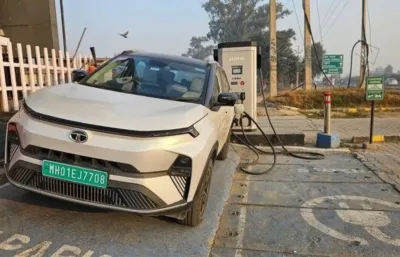
Waiting could make sense if:
- You cannot install home charging.
- You frequently travel in areas with very limited charging infrastructure.
- You expect significantly different vehicle requirements in the near future.
- You are specifically waiting for a confirmed upcoming model that better suits your needs.
Comparison between EV vs Petrol Car in 2026
| Feature | Electric Car | Petrol Car |
| Running Cost | Very Low | Higher |
| Maintenance | Lower | Higher |
| Driving Experience | Smooth & Quiet | Traditional |
| Long Highway Travel | Improving | Easier |
| Tailpipe Emissions | None | Yes |
| Instant Torque | Yes | Limited |
| Fuel Stops | Charging Required | Petrol Pumps |
Cost of Ownership for EV vs Petrol
Comparatively, EVs are more expensive than the petrol cars, but the total cost of ownership may become lower over time due to various reasons like:
- Decreased fuel expenses
- Lower maintenance
- Government incentives and subsidies (like BaaS)
- Fewer consumable parts
- No dependence on fuel resources
Battery Life and Charging: Is It Really a Concern?
Considering the earlier incidents, battery life and charging are two of the concerns for the first-time electric vehicle buyer. But, the Indian EV industry has evolved and now batteries are designed through more safer ways and important measures are considered. Some of the manufacturers have initiated the lifetime battery warranty in some models and some brands which also adds up to long-term ownership. Now, people can charge their electric vehicles comfortably at their home and overnight, taking precautions. Now the chargers provided by the companies are automatic cut-off, as the chances of fire accidents have decreased drastically.
The government has also taken an initiative to encourage the public to buy electric vehicles. Now various charging stations are available like, in hotels, shopping centers, highways, parkings, and other various places. A large number of charging stations have been built and the home charging option is most convenient. Following the manufacturer's recommendation, keeping the vehicle software updated and maintained also helps to maintain battery performance.
Therefore, battery durability and charging should not necessarily be reasons to avoid an EV in 2026. The buyers should consider checking the battery warranty, availability of charging stations, precautions of home charging, and more.
Common Myths About Buying an EV
Here are some of the most common myths about an Electric Vehicle:
Myth 1: Expensive
Though EVs are quite expensive as compared to petrol or diesel vehicles, government incentives and tax breaks help to reduce the overall price of the EVs.
Myth 2: Long trips
With improved range and expanding charging infrastructure, long-distance travel is becoming increasingly practical.
Myth 3: Speed
Electric cars deliver instant torque, providing quick acceleration and a smooth driving experience.
Myth 4: Fast charging times
Fast chargers can significantly reduce charging times, while overnight home charging suits most daily users.
Myth 5: Charging EVs takes too long.
The modern and advanced batteries are quick to charge. The DC charger takes 20 to 40 minutes (10% to 80%) whereas, standard 3.3 kW home AC wall charger takes 8 to 15 hours to charge an electric vehicle. The charging time depends on the size of the battery and type of the charger used.
Myth 6: EV batteries need frequent replacement.
Modern batteries are built for long-term use and are backed with manufacturers warranties.
Conclusion
The final verdict says that yes, buying an Electric car in 2026 is a great choice. The most important factors which you should consider before buying an EV for you is your budget, your daily needs, availability of charging stations or home charging, and more. So far, the manufacturers have evolved the EVS with strong safety, better battery life, fast charging, less risk of fire accidents, and more.
Most of the companies have stepped in the EV market, so a wide range of options are now available. So, if you are planning to buy an EV, then it is the best time to purchase it. But if you are looking for a better and advanced technology EV without worrying about budget, then waiting for sometime will also be worth it for you as some great launches are already listed.