Carmakers Seek EV-Level Benefits for PHEVs Under CAFE 3 Norms
Quick Summary
According to recent reports, manufacturers are preparing to request the government to treat Plug-in hybrid Electric Vehicles (PHEVs) on par with pure electric vehicles (EVs), especially when it comes to regulatory compliance benefits. In order to know why manufacturers are pushing to this, we need to understand these new CAFE 3 regulations.
The Numbers Game: 2.5x vs. 3.0x Super Credits
Under the CAFE 3 norms, the low-carbon vehicles are awarded with “Super-Credits” in order to help manufacturers to reduce their overall fleet-average fuel consumption.
Battery electric vehicles (BEVs) and range-extender EVs (REEVs) are subjected to the highest super-credit multiplier of 3.0x. This means selling just one EVs will be counted as three zero-emission cars on the carmaker's compliance ledger.
However, PHEVs and flex-fuel strong hybrids are given 2.5x multiplier. Thus for manufacturers trying to reduce their carbon footprints of their high volume, petrol and diesel SUVs, that 0.5 difference is a big gap. Thus they are looking for PHEVs to be considered into the 3.0x club.
Also check: Types of Electric Vehicles Explained | BEV vs PHEV vs HEV vs MHEV
The Logic Behind the Demand
However, this raises a very important question, Why should a car with an internal combustion engine still enjoy the same regulatory perks as pure EV?
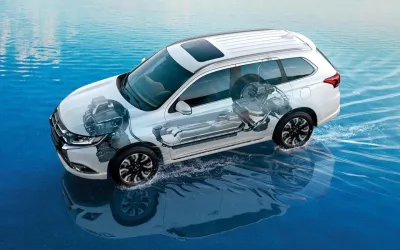
While Automakers have a different take on this, they argue that modern plug-in hybrids are the perfect balance between the two. With highly efficient battery packs, PHEVs can seamlessly provide daily commutes purely on electric power, thus producing zero tailpipe emissions.
The petrol engine only comes into life for long weekend highway trips, thus eradicating the range anxiety that still keeps Indian buyers away from buying pure electric cars.
What Does This Mean for the Buyer?
The CAFE 3 norms will directly impact the preferences of Indian consumers, as currently PHEVs in India are quite costly as they come with 40% GST, as compared just 5% on the EVs. The Plug-in Hybrids are also not subjective to road tax and registration waivers that EV buyers enjoy in several other states.
- If carmakers are able to implement CAFE 3 benefits for PHEVs, it will provide massive benefits and confidence to launch more plug-in models in India.
- While this regulatory tweak won’t change the GST structure, the aggressive corporate pricing strategies implemented by manufacturers in order to cater to CAFE targets could make PHEVs a more affordable and attractive option for Indian consumers, who want electric power with ICE combination.
The Verdict
However, whether the government will grant PHEVs the same recognition as EVs remains to be seen. But it is certain that the push for cleaner mobility in India is soon going to be a lot more competitive, as buyers will be more confident towards buying EVs.