India EV Sales Cross 3 Lakh in 2026: Growth, Industry Changes and Future of Electric Mobility
India's electric vehicle sector has experienced a major milestone in 2026 with the sale of 3 lakh units of passenger electric vehicles. 3,04,701 units have been registered between January to October. This is a 66% increase when compared to the same period in 2025. This shows how quickly the sector has grown compared to 1,95,571 units sold in the entire year in 2025. With improvements in battery technology, increased range and better charging infrastructure and more options of vehicles there is a big drive towards electric vehicles. We'll explore why this growth is happening, recent sector changes and what the future holds.
India's Electric Car Market Records Its Best-Ever Sales
Hitting the 3 lakh mark is a big milestone for the industry which has grown substantially in recent years. The market has seen steady growth in 2026 with sales hitting over 30,000 units for the first time in June. Sales have continued to be strong in the following months too. Here's a look at how the sales have performed month-on-month:
| Month | 2026 sales | 2025 sales | YoY growth |
| January | 21,568 | 13,325 | 62% |
| February | 16,300 | 10,481 | 56% |
| March | 25,502 | 14,390 | 77% |
| April | 25,984 | 14,794 | 76% |
| May | 28,416 | 14,695 | 93% |
| June | 33,640 | 15,274 | 120% |
| July | 34,717 | 17,934 | 94% |
| August | 32,587 | 20,182 | 61% |
| September | 38,440 | 18,520 | 108% |
| October | 37,516 | 20,954 | 79% |
(Note: Data sourced from Vahan data. November has added another 10,031 units to the 2026 total.)
Sales were strongest in September with 38,440 electric passenger vehicles sold. June saw sales jump 120% compared to June 2025. The third quarter was a big one with 1,04,744 electric passenger vehicles sold. This was an 87% increase on the same period in 2025. If this trend continues it looks likely that India will see around 3.5-3.6 lakh units of electric passenger vehicles sold by the end of 2026.
Which Companies Are Driving India's EV Growth?
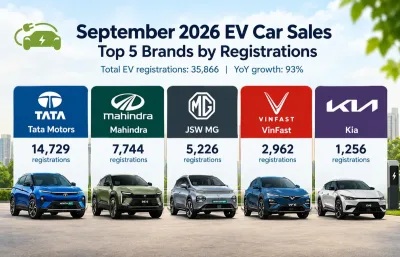
As the Indian EV market has grown, there has been more competition in the sector. Many new companies are getting into the market and existing manufacturers are offering more electric vehicles. Looking at sales of 2026, the following manufacturers are the leaders:
| Manufacturer | EV sales | Market share |
| Tata Motors | 1,20,895 | 39.67% |
| Mahindra | 69,660 | 22.86% |
| JSW MG Motor | 56,988 | 18.70% |
| VinFast | 15,867 | 5.20% |
| Maruti Suzuki | 12,390 | 4.06% |
| Kia | 7,612 | 2.49% |
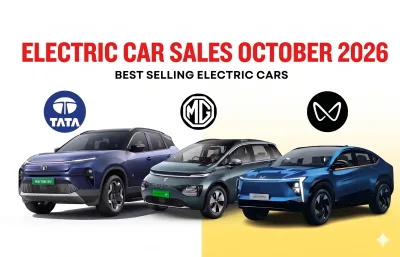
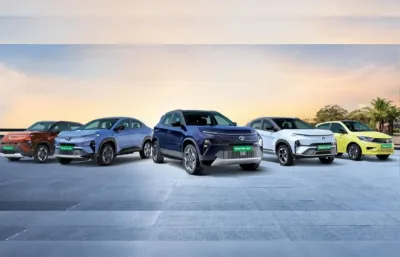
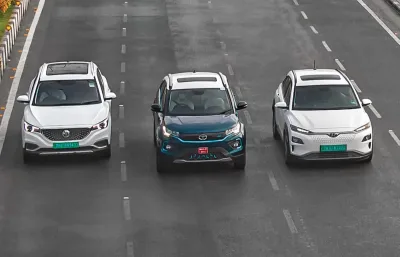
Tata Motors remains the leader with models such as the Nexon EV, Tiago EV and Punch EV. They have also sold over 1 lakh units this year. Mahindra have gained ground with their electric SUVs such as the BE 6, XEV 9e and XEV 9S. They have seen a big increase in their market share.
JSW MG Motor continues to perform well with the Windsor EV and other electric models. However, companies such as VinFast, Maruti Suzuki and Kia also offer competition. Now there are many more companies offering electric cars. There are more options available with hatchbacks, small SUVs, luxury SUVs and electric MPVs. This is helping the EV market become more accessible to different customers.
How Are Automakers Expanding Their EV Portfolio?
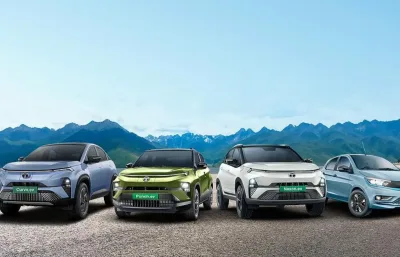
With the increasing demand for EVs, automobile manufacturers are now looking to expand their EV strategy. Companies are planning to broaden their EV range, invest into technology and manufacturing. Some key points include;
Tata Motors have outlined an investment of ₹16,000-18,000 crore between FY2025-FY2030 to allow them to bring new EV products into the market, develop technology, and localise charging infrastructure. They are also planning to expand their EV range.
Mahindra is focusing on developing their electric SUV range. They have planned 6 electric SUVs by 2031. They are also aiming to deliver 1,000 fast charging points along major highways and corridors by 2027.
Maruti has entered the EV car market with their e Vitara, and they have indicated they will be introducing EVs in various segments. This can allow them to target a broader customer base including those wanting cheaper and premium EVs.
Hyundai Motor Group has announced an investment of USD 15.5 billion into India between 2026-2032. This will be invested into manufacturing, R&D, localisation and future technologies such as EV charging and recycling.
Overall this shows that manufacturers are planning for a larger EV market in India. By investing more into developing products, batteries and local manufacturing it will make vehicles more available, cheaper and create more competition in the coming years.
Battery Technology Is Becoming More Important
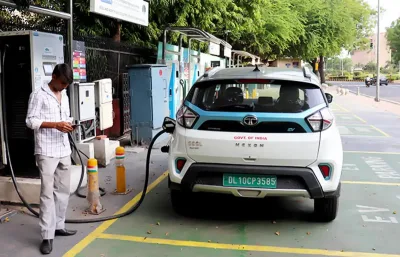
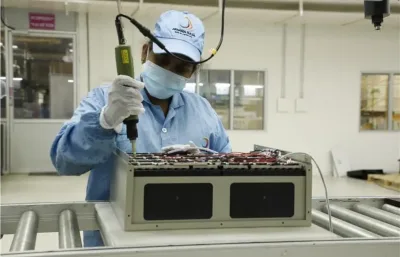
Battery Technology plays an important role in determining the price, range and performance of EVS. Manufacturers are trying to improve battery chemistry, improve battery management systems, increase the energy density and recycling of batteries. India is also looking into local battery production. The government has allocated ₹18,100 crore in the PLI scheme targeted towards developing Advanced Chemistry Cell batteries.
They are aiming to develop 50 GWh of manufacturing capacity in India. 40 GWh has already been allocated to 4 beneficiary companies. This is a significant move to lessen dependency on imports and strengthen the battery supply chain in India. However, challenges such as mass production, decreasing costs and quality still need to be overcome.
Charging Infrastructure Is Expanding Across India
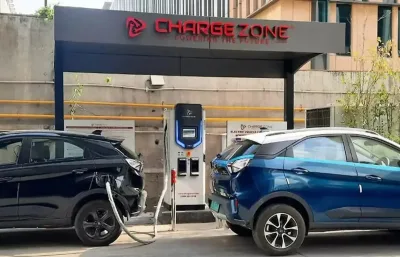
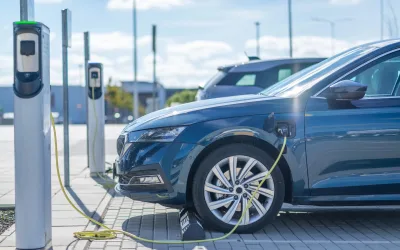
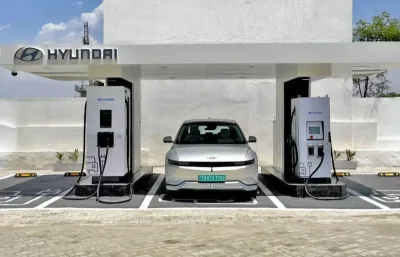
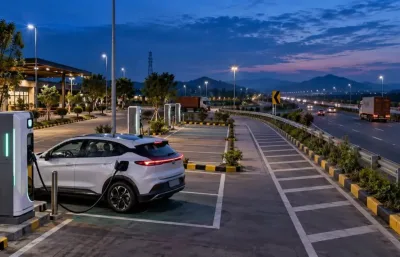
A main concern for customers wanting to purchase an EV is the charging infrastructure. Customers want to know if they can charge their vehicle at home, if there are public charging points to use and can complete longer journeys without any issues. India has made good progress with this. There are 52,718 EV charging points across the country including 16,561 fast charging points for cars. (July 2026 Update)
The government has allocated money for public charging points via FAME-II and PM E-DRIVE. However, it isn’t just about the quantity of charging points. It is also very important to make sure the charging points are in the right locations, of good quality, have a fast charging speed and are easily accessible. Next steps will include;
- Increased fast charging points along highways and expressways.
- Reliable charging points within residential societies and commercial buildings.
- Increased availability in smaller towns and cities.
- Standardised payment systems and increased accessibility.
- Regular maintenance to reduce the amount of charging points that are unusable.
Home charging will still be a key feature, however public fast charging will become increasingly important for long distance travel and those without dedicated parking.
Government Policies Are Supporting EV Adoption
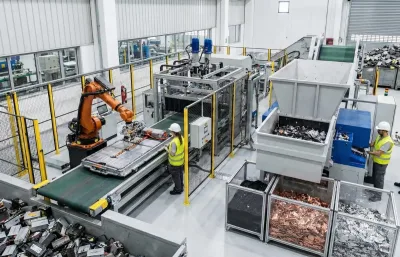
India's EV industry is being driven by government initiatives like PM E-DRIVE (outlay of ₹11,900 crore, till March 2028). This initiative provides support to EV adoption, charging infrastructure and various types of vehicles. The government is also encouraging local manufacturing by providing schemes for automotive and battery cell industries.
In addition, state EV policies also provide additional incentives like road tax waivers and purchase incentives. The public transport sector is also being encouraged with 14,000 electric buses allocated as of August 2026 under PM E-DRIVE. These initiatives support private EV ownership, commercial mobility and manufacturing.
New Ownership Models Are Making EVs More Accessible
There are new ways customers can purchase electric vehicles, like battery as a Service. Customers can purchase their vehicle without paying the full price of the battery. They instead pay separately for battery usage. This can help reduce the initial purchase price. Manufacturers like MG and Mahindra have added battery as a service options to some of their vehicles. More focus on total cost of ownership.
EVs generally cause less maintenance due to not having as many moving parts. They can also be cheaper to run, especially if you have cheap home charging. However, you should look at how you are paying for the battery, electricity rates, insurance, charging availability and resale value to ensure it is a financially viable option. The market is slowly moving towards more affordable ownership options.
What Does the Future of Electric Mobility in India Look Like?
Passing the 3 Lakh mark for electric passenger vehicles is a positive sign. However, passing this will depend on how well the industry can overcome the challenges. Over the next five years we could see the following developments within the Indian EV market;
- Cheaper EVs: As battery manufacturing increases and technology improves, manufacturers could produce cheaper electric cars. This will help attract customers who currently find EV’s too expensive.
- Increased range: As battery chemistry, energy density and vehicle efficiency improves, vehicles could have a longer range. This will make EVs more practicable for travelling along highways.
- Faster charging: With improvements in high power charging and battery thermal management, charging times can be improved. However, this will require improvements to the electricity grid.
- More domestic manufacturing: More battery cells, motors, power electronics and other EV parts will be manufactured locally. This will help give a stable supply chain.
- Smaller cities & towns: As charging infrastructure improves and cheaper models are released, smaller cities and towns could become key markets.
- Electric public & commercial vehicles: With vehicles regularly being used, such as buses, delivery vehicles, taxis & 3 wheelers, there could be more adoption of electric vehicles. This is due to the cost saving on operating.
- Battery recycling: With more EVs, there will be a demand for battery collection, recycling and second life. This could become a key part of the future EV industry in India.
The government has a wider goal to increase electric mobility and make India a manufacturing/export hub. To achieve this they will need to continue investing, developing technology and work with manufacturers, policy makers and infrastructure companies.
Challenges That Could Slow Down EV Growth
Despite the positive sales, there are still some challenges the EV industry will need to overcome. The initial cost can be an issue for many customers. Especially for the affordable car market. The price can be affected by battery, imported parts and manufacturing costs. Charging infrastructure will need to be more evenly spread.
Major cities have had improvements, however customers in smaller towns/remote areas may struggle to find reliable public charging. Battery cost, battery longevity, resale and skilled technicians will all affect customers' decisions. India will also need to improve its domestic supply chain for key battery materials. To continue growth these challenges will need to be overcome.
Conclusion
Crossing the 3 lakh mark in 2026 marks a huge milestone for the automobile industry in India. It shows increased consumer acceptance, better vehicles and advances in battery & charging technology. However, for this area of the industry to continue to grow it needs more affordable EVs, reliable charging, local production and better after-sales. With improvements in these areas it can be expected that EVs will become a much more popular option for Indian buyers in the upcoming years.